
 admin
admin 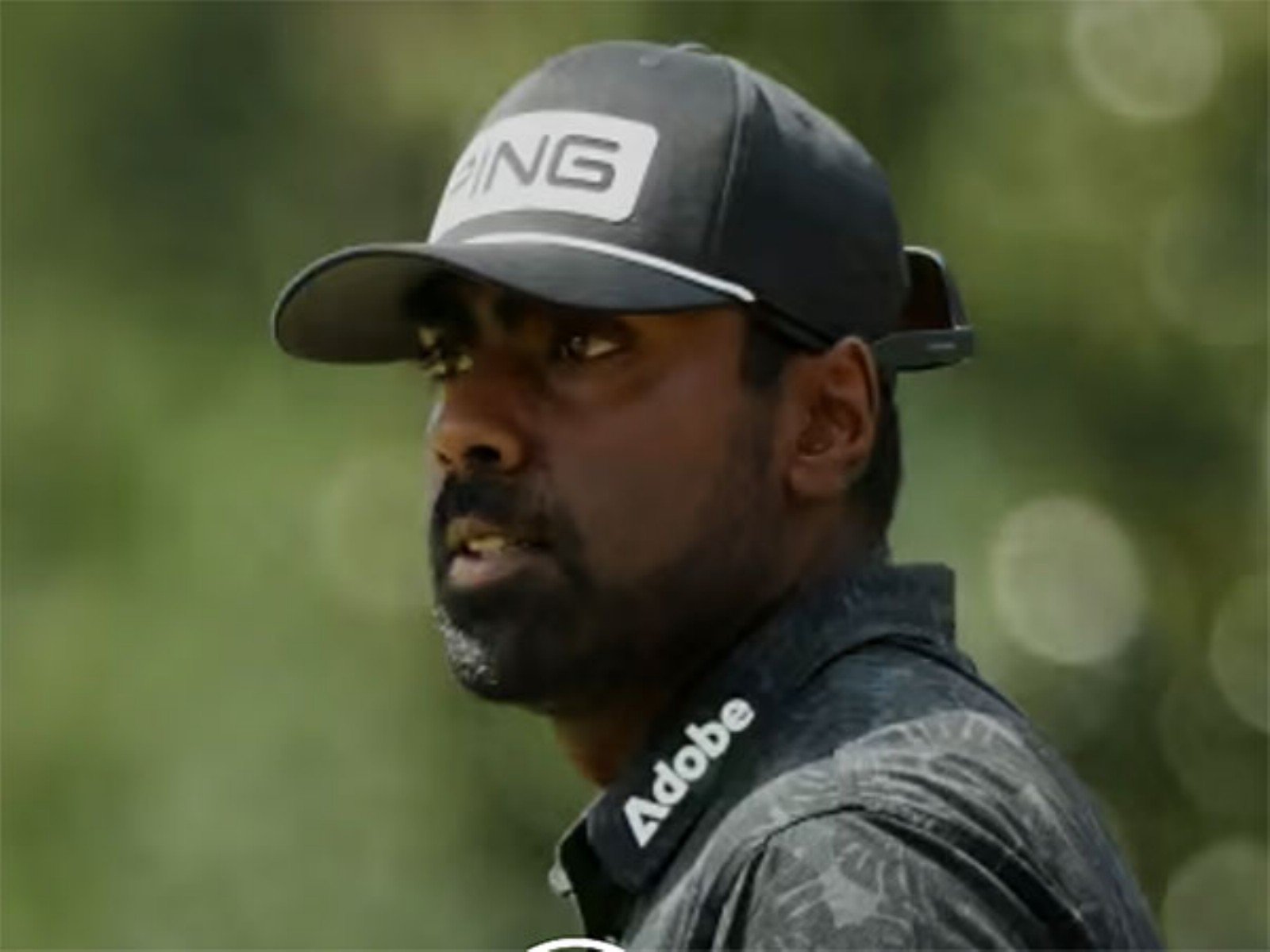
Indian-origin golfers create history at US Open 2026 while Wyndham Clark wins title
The US Open 2026 delivered a landmark week in golf history as Indian-origin golfers produced a record-breaking performance, while American star Wyndham Clark captured his second major title with a composed wire-to-wire victory. The championship at Shinnecock Hills will be remembered both for its dramatic individual brilliance and for the unprecedented depth of Indian-origin talent finishing inside the top 20 of the US Open 2026.
Indian-American golfer Sahith Theegala led the charge with the best US Open finish of his career, sharing 11th place at two-over-par. His performance at the US Open 2026 reflected resilience, skill, and mental strength US Open 2026 golf on one of golf’s toughest stages. Despite a challenging final round, Theegala’s consistency ensured he remained among the standout performers of the US Open 2026.
Joining him in a historic achievement were Akshay Bhatia and Aaron Rai, who also finished inside the top 20. Their combined success marked the first time in US Open 2026 US Open 2026 golf history that three golfers of Indian origin secured top-20 finishes in the same edition of the championship.
The milestone added a defining chapter to theUS Open 2026 golf US Open 2026, which is increasingly being seen as a tournament reflecting the globalisation of golf talent. For the first time, five players of Indian origin competed in the field, underlining the expanding footprint of this emerging talent pool at the US Open 2026 golf US Open 2026.
Theegala’s Breakthrough Week at US Open 2026
For Theegala, the US Open 2026 golf was a mixture of promise and frustration. He entered the final round tied for second alongside world number one Scottie Scheffler and Tom Kim, putting him briefly in contention for a maiden major title at the US Open 2026.
However, Shinnecock Hills once again proved its reputation as one of the most punishing venues in golf. A costly sequence on the front nine, including a double bogey at the par-four fourth hole US Open 2026 golf after a mis-hit from thick rough, derailed his title hopes. Despite this setback, Theegala displayed remarkable composure, stabilising his round to finish strongly.
He ultimately closed with a three-over 73, US Open 2026 golf securing a tied 11th finish at the US Open 2026, the best of his career at this championship. His ability to recover mentally and technically after adversity became one of the defining storylines of the US Open 2026.
Speaking after his round, Theegala described the experience as one of the greatest tests of mental patience in his life. His reflections captured the brutal nature of the US Open 2026, where even well-executed shots often went unrewarded.
Historic Depth of Indian-Origin Golf at US Open 2026
The combined performance of Theegala, Bhatia, and Rai elevated the US Open 2026 into a historic moment for Indian-origin golf representation. Never before had three such players finished inside the top 20 of a single US Open edition.
Wyndham Clark, though not part of the Indian-origin trio, also played a central role in shaping the narrative of the US Open 2026, as his dominance throughout the tournament set the benchmark for elite performance under pressure.
The broader achievement extended beyond individual results. The presence of five Indian-origin players in the field for the first time in US Open 2026 US Open 2026 golf history marked a significant expansion of global diversity at the highest level of professional golf.
While Sudarshan Yellamaraju and Manav Shah missed the cut, the performances of the leading trio ensured that the US Open 2026 became a breakthrough moment for representation and competitive success.
Clark’s Composed Triumph at US Open 2026
Wyndham Clark entered the final day of the US Open 2026 with a six-shot lead, but the closing round quickly turned into a test of nerve as challengers closed in. Early bogeys allowed competitors including Sam Burns and Scottie Scheffler to narrow the gap, creating tension in the final stretch of the US Open 2026.
Clark responded with championship composure. A key birdie at the 10th hole steadied his momentum, and his defining moment came at the par-five 16th, where he recovered brilliantly from trouble off the tee and holed a crucial putt to regain control of theUS Open 2026 golf US Open 2026.
He finished with a closing 73 to secure a one-shot victory at four-under 276, marking his second US Open title and reinforcing his reputation as a clutch performer at the US Open 2026 stage.
The win also placed him among an elite group of players who have led the US Open wire-to-wire, a feat achieved only a handful of times in tournament history. His victory added another memorable chapter to the US Open 2026, which featured both dominance at the top and historic depth in the field.
A Tournament of Records and Rising Influence
The US Open 2026 will be remembered for more than just its winner. It highlighted a shifting landscape in professional golf, where players of Indian origin are increasingly competing and excelling at the highest level.
Rory McIlroy, among other global stars, also featured in the field, but it was the emerging Indian-origin trio that captured widespread attention through their consistent finishes inside the top 20 of the US Open 2026 golf US Open 2026.
The tournament at Shinnecock Hills combined tradition, difficulty, and unpredictability, reinforcing why the US Open 2026 remains one of the most demanding events in world golf. From Theegala’s resilience to Clark’s final-round nerve, the championship delivered a blend of narratives that defined elite competition.
Conclusion: A New Era Highlighted at US Open 2026
As the US Open 2026 concluded, two stories stood out: Wyndham Clark’s confident championship defence and the historic breakthrough of Indian-origin golfers on one of golf’s biggest stages.
The performances of Theegala, Bhatia, and Rai signaled a growing global presence, while Clark’s victory reaffirmed the value of composure under pressure. Together, they ensured the US Open 2026 will be remembered as a turning point—both for individual brilliance and for the expanding international reach of the sport.
About The Author