
 admin
admin 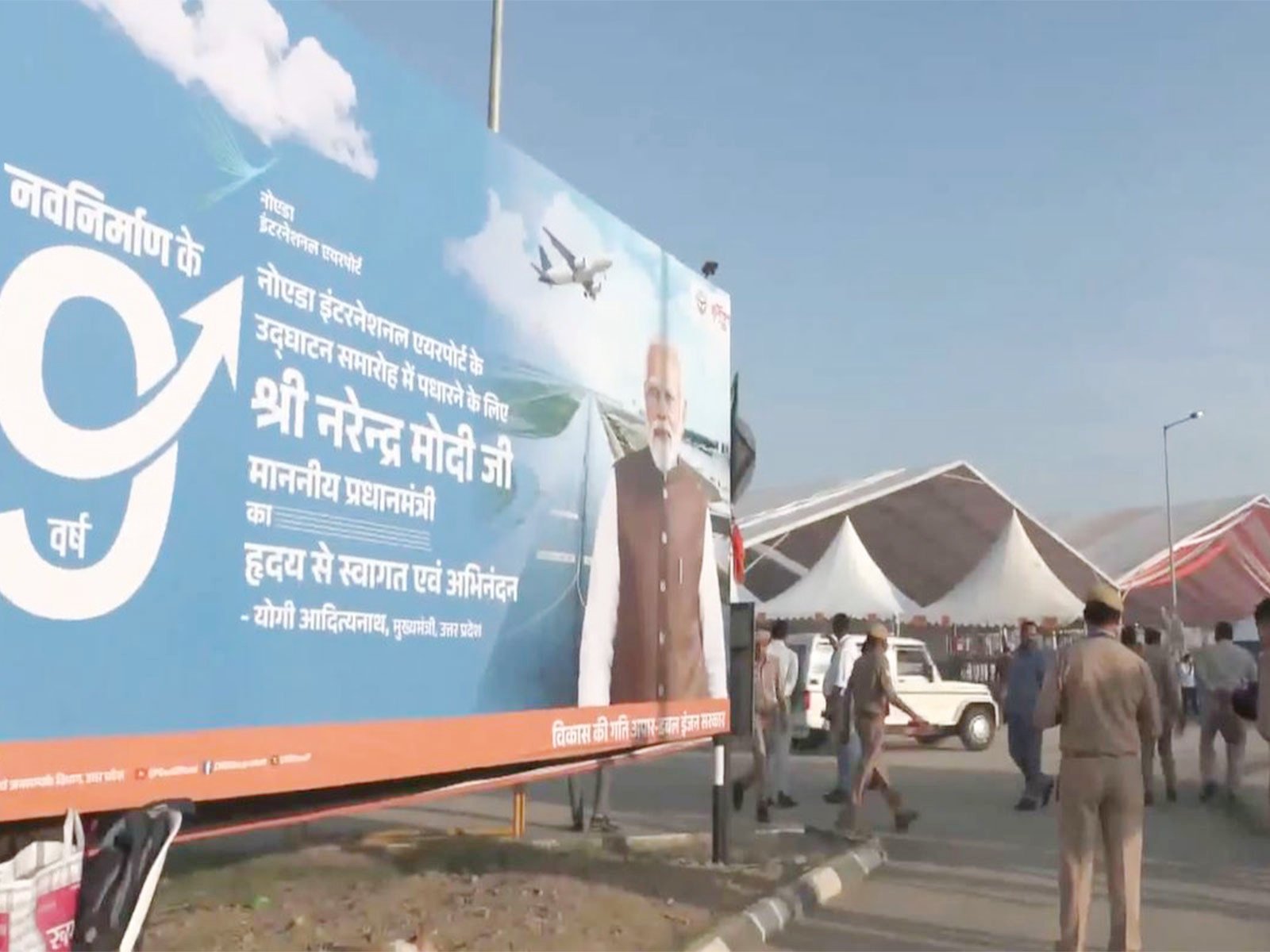
Gautam Buddha Nagar, Uttar Pradesh | March 28, 2026
Prime Minister Narendra Modi will inaugurate Phase I of the Noida International Airport in Jewar today, marking a major leap in India’s aviation infrastructure. The government has developed this project at a cost of approximately ₹11,200 crore under the Public-Private Partnership (PPP) model.
A Major Boost to India’s Aviation Growth
With this inauguration, India takes another strong step toward becoming a global aviation hub. Not only does the airport enhance connectivity, but it also strengthens the economic potential of the region. Moreover, its strategic location in Gautam Buddha Nagar makes it highly accessible for both domestic and international travelers.
Strengthening Delhi NCR Connectivity
Importantly, the Noida International Airport will serve as the second international airport in the NCR region. It will work alongside the existing Indira Gandhi International Airport to create a more efficient aviation network.
As a result:
- Passenger congestion will reduce significantly
- Travel efficiency will improve
- International connectivity will expand
Key Features of Phase I
The airport introduces several advanced features that ensure world-class operations. For instance:
- Passenger Capacity: Handles 12 million passengers annually, with plans to expand up to 70 million
- Runway: A 3,900-meter runway supports wide-body aircraft
- Advanced Systems: Modern navigation and lighting systems enable smooth, all-weather operations
- Cargo Hub: Initially handles 2.5 lakh metric tonnes, expandable to 18 lakh metric tonnes
- MRO Facility: Includes a dedicated 40-acre maintenance and repair zone
Furthermore, these features position the airport as one of India’s most advanced aviation projects.
Focus on Sustainability and Design
In addition, the airport focuses heavily on sustainability. Developers aim to operate it as a net-zero emissions facility, using energy-efficient systems and eco-friendly practices.
At the same time, designers have incorporated Indian cultural elements into the architecture. They have drawn inspiration from traditional ghats and havelis, thereby blending heritage with modern infrastructure.
Overall, the inauguration of Noida International Airport marks a transformative moment for India’s aviation sector. Not only will it improve connectivity, but it will also drive economic growth and infrastructure development across the NCR region. As the airport expands in the coming years, it will play a crucial role in shaping India’s global aviation presence.
About The Author