
 admin
admin 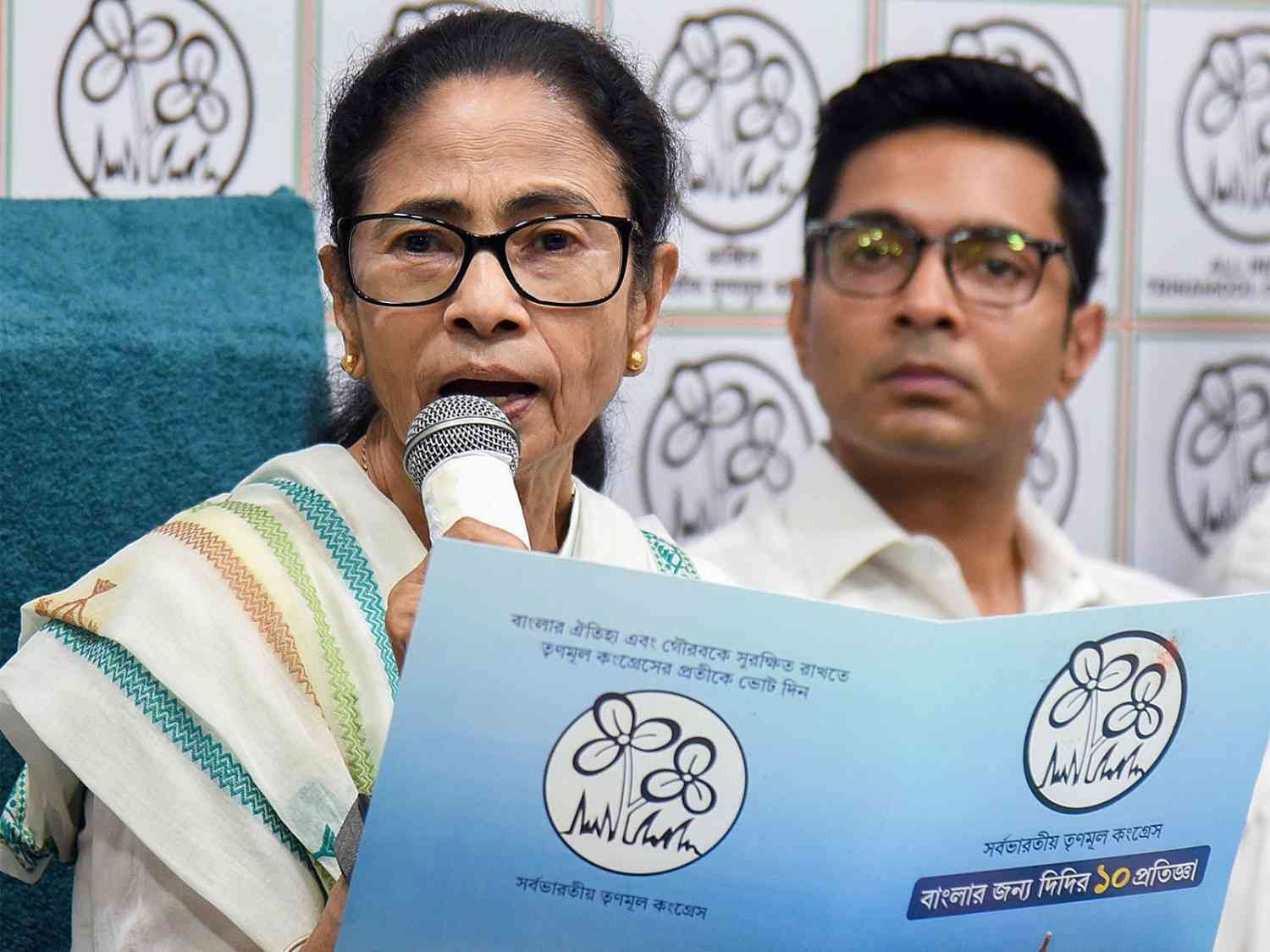
Kolkata, April 28, 2026: The TMC vs BJP West Bengal identity row has intensified ahead of the crucial phase of assembly elections, with the All India Trinamool Congress (TMC) accusing the Bharatiya Janata Party (BJP) of attempting to “dismantle” the cultural and linguistic identity of the state. The controversy erupted after a social media post by the BJP that read “Bengal Goodbye”, which the ruling party interpreted as a direct threat to Bengal’s heritage.
Trigger: ‘Bengal Good Bye’ Remark and Political Fallout
The current TMC vs BJP West Bengal identity row began when the BJP shared a graphic depicting Chief Minister Mamata Banerjee exiting after the election results, accompanied by the phrase “Bengal Good Bye”. TMC leaders responded sharply, claiming the message went beyond political rhetoric and symbolized a deeper ideological intent.
According to TMC, the phrase represents an attempt to erase Bengal’s unique cultural identity. The party described it as an “open threat” to the state’s traditions, language, and historical legacy.
TMC’s Strong Response: Protecting Bengal’s Identity
In its official communication, TMC framed the issue as a broader cultural battle. The party alleged that the BJP’s approach reflects a desire to homogenize diverse identities into a singular narrative, leaving no space for regional uniqueness.
The TMC vs BJP West Bengal identity row gained further momentum as TMC highlighted concerns over potential erosion of Bengali culture, literature, and heritage. The party reiterated its long-standing accusation of the BJP being “Bangla-Birodhi”, a term used to suggest opposition to Bengal’s cultural ethos.
TMC’s messaging emphasized that the issue is not just political but deeply connected to the emotional and cultural fabric of the state.
BJP’s Strategy and Political Messaging
While the BJP has not directly responded to every allegation, its campaign strategy in the TMC vs BJP West Bengal identity row appears focused on projecting change and governance reforms. The party has consistently used slogans centred around transformation and development.
Political observers note that the “Bengal Good Bye” messaging could be interpreted as a call for political change rather than a cultural statement. However, the strong reaction from TMC indicates how sensitive identity-related narratives are in West Bengal politics.
The BJP’s approach aims to appeal to voters seeking governance improvements, while the TMC counters by emphasizing cultural preservation.
Historical Context: Identity and Politics in West Bengal
The TMC vs BJP West Bengal identity row cannot be understood without examining the state’s historical context. West Bengal has long been a centre of cultural, intellectual, and political movements in India. Its identity is deeply rooted in language, literature, art, and social reform.
From the Bengal Renaissance to modern political developments, the state has maintained a strong sense of cultural pride. Any perceived threat to this identity often becomes a major political issue.
This background explains why the current controversy has resonated strongly with both political leaders and the public.
Election Timeline and Rising Political Tensions
The escalation of the TMC vs BJP West Bengal identity row comes at a critical juncture in the election process. The second phase of polling is scheduled for April 29, following a high voter turnout of over 93 per cent in the first phase.
The results, expected on May 4, are likely to determine the future political direction of the state. TMC is aiming for a fourth consecutive term, while BJP is striving to convert its growing support base into a winning mandate.
The timing of the controversy suggests that both parties are intensifying their campaigns to influence voter sentiment.
Public Sentiment and Voter Perception
The TMC vs BJP West Bengal identity row has sparked widespread discussion among voters. For some, the issue highlights the importance of preserving cultural identity, while others view it through the lens of political competition.
Public perception will play a crucial role in determining the impact of this controversy. Voters may interpret the narrative differently based on their priorities—whether cultural preservation, governance, or economic development.
Political analysts believe that identity-based narratives often have a strong emotional appeal, making them influential during elections.
Cultural Identity vs Development Debate
At the heart of the TMC vs BJP West Bengal identity row lies a broader debate between cultural identity and development-focused politics. TMC’s campaign emphasizes safeguarding Bengal’s heritage, while BJP highlights the need for governance reforms and economic growth.
This contrast reflects two different approaches to political messaging. One focuses on emotional and cultural connections, while the other emphasizes policy and development outcomes.
The effectiveness of these approaches will become clear as the चुनाव results unfold.
Implications for National Politics
The TMC vs BJP West Bengal identity row also has implications beyond the state. West Bengal is a key political battleground, and developments here often influence national political strategies.
A strong performance by either party could reshape political alliances and narratives at the national level. The outcome may also impact future election strategies in other states.
What Lies Ahead
As the TMC vs BJP West Bengal identity row continues to dominate headlines, both parties are expected to intensify their campaigns. The coming days will likely see more exchanges, statements, and strategic messaging.
The final outcome will depend on how effectively each party connects with voters and addresses their concerns. Whether the debate over identity or the promise of development takes precedence remains to be seen.
The TMC vs BJP West Bengal identity row underscores the complexity of modern Indian politics, where cultural identity and governance issues often intersect. With elections underway and stakes high, the controversy highlights the competing visions for West Bengal’s future.
As voters head to the polls, the narrative surrounding identity, development, and leadership will play a decisive role in shaping the state’s political landscape.
About The Author