
 admin
admin 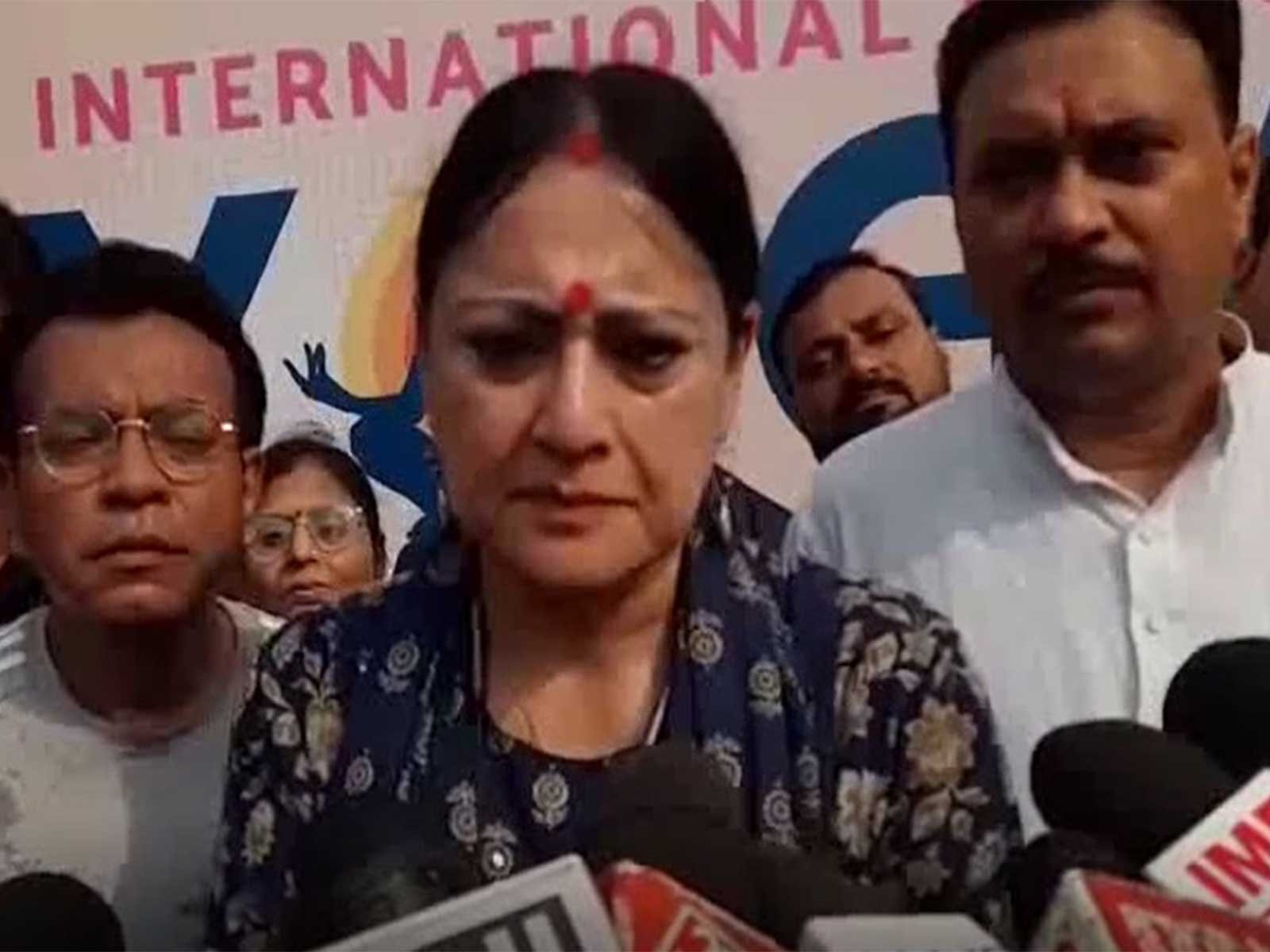
Focus Keyword: West Bengal Cleanliness Drive
Kolkata, June 18: The West Bengal Cleanliness Drive has been launched across the state ahead of Prime Minister Narendra Modi’s visit, West Bengal Day celebrations, and International Yoga Day 2026. The initiative, introduced by State Minister for Municipal Affairs and Urban Development Agnimitra Paul, aims to improve sanitation, encourage public participation, and create cleaner cities through the campaign titled “Swachhata Se Swagat.”
The six-day intensive West Bengal Cleanliness Drive is being carried out in urban and semi-urban areas to ensure roads, markets, public spaces, parks, bus stands, and municipal zones remain clean before the upcoming national events. The state government has also announced that the campaign will continue throughout the year, making cleanliness a permanent civic priority rather than a temporary exercise.
West Bengal Cleanliness Drive Begins Before PM Modi’s Visit
Speaking to ANI, Minister Agnimitra Paul said that the West Bengal Cleanliness Drive has been launched to welcome Prime Minister Narendra Modi during his visit to the state. She said the campaign also coincides with West Bengal Day on June 20 and International Yoga Day on June 21.
According to the minister, every municipal body has been directed to carry out extensive sanitation work while encouraging citizens to actively participate in keeping their surroundings clean.
She appealed to residents to work together with civic authorities to make Bengal cleaner, healthier and more environmentally friendly.
‘Swachhata Se Swagat’ Campaign Aims for Public Participation
The West Bengal Cleanliness Drive is being promoted under the slogan “Swachhata Se Swagat”, highlighting the importance of cleanliness as a way of welcoming visitors and creating better living conditions.
The campaign encourages:
- Community participation
- Street cleaning drives
- Proper waste disposal
- Plastic-free markets
- Public awareness programmes
- Environmental responsibility
Officials believe that lasting cleanliness can only be achieved through active cooperation between citizens and local administrations.
Campaign Will Continue Throughout the Year
Minister Agnimitra Paul clarified that the West Bengal Cleanliness Drive is not limited to preparations for Prime Minister Modi’s visit or International Yoga Day.
Instead, the state government plans to continue sanitation initiatives throughout the year.
To encourage behavioural change, citizens will initially be educated about cleanliness rules and waste management practices before stricter enforcement begins.
Strict Penalties from September 1
One of the major announcements made during the West Bengal Cleanliness Drive is the introduction of penalties for littering.
According to the minister, residents will be given approximately three months to adapt to the new cleanliness standards.
Beginning September 1, authorities will take strict action against individuals found:
- Throwing garbage on roads
- Disposing of plastic waste improperly
- Littering public places
- Violating sanitation rules
The government believes that stronger enforcement will significantly improve urban cleanliness across West Bengal.
Drains and Canals Being Cleaned Before Monsoon
As part of the West Bengal Cleanliness Drive, municipal authorities are also carrying out extensive desilting and cleaning of drains and canals.
The objective is to reduce waterlogging during the upcoming monsoon season.
Officials are removing accumulated waste, repairing damaged drainage systems and improving water flow in flood-prone areas.
The minister said these efforts would help minimize urban flooding while improving overall sanitation conditions.
Measures to Prevent Electrical Hazards
Besides sanitation, the West Bengal Cleanliness Drive also includes public safety initiatives.
Authorities are inspecting roadside electric poles and street lighting infrastructure to prevent accidental electric shocks during the rainy season.
Repair work is being undertaken wherever damaged electrical equipment has been identified.
These preventive measures are intended to ensure public safety during heavy rainfall.
New Sulabh Complexes to Improve Public Sanitation
The state government has announced the construction of additional Sulabh complexes at:
- Markets
- Bus stands
- Public gathering places
- Commercial areas
These public toilet facilities are expected to improve hygiene while reducing open sanitation issues.
Officials believe better sanitation infrastructure will encourage cleaner public spaces throughout West Bengal.
Mobile App Introduced for Faster Complaint Resolution
To strengthen the West Bengal Cleanliness Drive, the government has launched a dedicated Android mobile application.
Through the app, residents can upload photographs of sanitation-related problems including:
- Garbage accumulation
- Overflowing dustbins
- Drain blockages
- Roadside waste
- Public cleanliness issues
According to Minister Agnimitra Paul, sanitation workers will respond to complaints within two hours, improving the efficiency of municipal services.
The application is expected to increase citizen participation while ensuring faster grievance redressal.
Campaign Against Single-Use Plastic
Reducing plastic pollution forms an important part of the West Bengal Cleanliness Drive.
The minister urged citizens to use cloth and jute bags instead of plastic carry bags while shopping.
To encourage environmentally friendly alternatives, vending machines offering reusable bags at affordable prices will be installed in public places.
The government also plans to approach the Pollution Control Board regarding manufacturers producing banned single-use plastic products.
Authorities have warned that strict penalties could be imposed against violators.
Howrah Municipal Administration Continues Development Work
Addressing civic administration, Agnimitra Paul noted that elections to the Howrah Municipal Corporation have not been conducted for a considerable period.
Meanwhile, local MLAs and appointed administrators are overseeing development projects and civic management in several areas.
The minister assured that sanitation and infrastructure work would continue without interruption despite the absence of elected municipal representatives.
Importance of Public Participation
The success of the West Bengal Cleanliness Drive largely depends on public cooperation.
Authorities have appealed to residents to:
- Avoid littering
- Segregate waste
- Use dustbins
- Reduce plastic consumption
- Report sanitation issues
- Keep neighbourhoods clean
Officials believe that government efforts alone cannot achieve lasting cleanliness without active community participation.
Cleanliness and Yoga Day Share a Common Vision
The West Bengal Cleanliness Drive has also been linked with the celebration of International Yoga Day.
According to officials, both initiatives promote healthy living and environmental well-being.
Clean surroundings contribute to better public health, making the campaign an appropriate precursor to Yoga Day celebrations across the state.
A Long-Term Vision for a Cleaner Bengal
The launch of the West Bengal Cleanliness Drive represents a broader commitment by the state government to improve urban sanitation, strengthen civic infrastructure and encourage responsible public behaviour.
With large-scale cleaning operations, stronger waste management systems, modern complaint mechanisms, construction of public sanitation facilities and strict anti-littering regulations, the campaign seeks to transform cleanliness into a year-round public movement.
As Prime Minister Narendra Modi’s visit, West Bengal Day and International Yoga Day approach, authorities remain focused on ensuring that cities across the state present a cleaner, greener and more organized environment. The government hopes the West Bengal Cleanliness Drive will not only improve civic infrastructure but also inspire long-term public participation in building a healthier and more sustainable West Bengal.
West Bengal Cleanliness Drive Reflects Government’s Long-Term Urban Vision
The West Bengal Cleanliness Drive is being viewed as more than just a short-term sanitation campaign linked to Prime Minister Narendra Modi’s visit and International Yoga Day. According to officials, the initiative is part of a broader strategy to improve urban infrastructure, promote environmental sustainability, and encourage responsible civic behaviour throughout the state.
Municipal authorities have been instructed to intensify cleaning operations in residential neighbourhoods, commercial markets, public parks, transport hubs, and government offices. Workers are also removing accumulated garbage from roadsides, unclogging drains, and sanitising public spaces to create a healthier environment for residents and visitors alike.
Officials believe that maintaining clean surroundings not only improves the appearance of cities but also contributes to better public health by reducing the spread of diseases caused by poor sanitation. The West Bengal Cleanliness Drive is therefore expected to have long-term benefits beyond the current campaign.
Citizens Encouraged to Become Active Partners
A key objective of the West Bengal Cleanliness Drive is to transform cleanliness into a people’s movement. Rather than relying solely on municipal workers, the government has appealed to residents, students, shopkeepers, resident welfare associations, and community organisations to actively participate in keeping their surroundings clean.
Awareness campaigns are being organised in various localities to educate people about waste segregation, proper disposal of household garbage, and reducing the use of single-use plastics. Schools and colleges are also expected to organise cleanliness awareness programmes, encouraging young people to become ambassadors of environmental responsibility.
Officials believe that when citizens take ownership of their surroundings, maintaining cleanliness becomes easier and more sustainable.
Technology to Improve Civic Services
As part of the West Bengal Cleanliness Drive, technology is playing an important role in improving civic administration. The newly launched Android-based sanitation application allows residents to report garbage accumulation, blocked drains, overflowing dustbins, and other civic issues by simply uploading photographs.
The government has assured that sanitation teams will respond to complaints within two hours, making grievance redressal faster and more transparent. This digital approach is expected to improve accountability while strengthening communication between citizens and municipal authorities.
Officials say the application will also help civic bodies identify recurring sanitation issues and plan long-term infrastructure improvements.
Strong Action Against Plastic Pollution
Reducing plastic waste remains one of the major goals of the West Bengal Cleanliness Drive. Authorities have appealed to residents to replace plastic carry bags with cloth and jute alternatives, which are environmentally friendly and reusable.
To support this transition, vending machines selling affordable cloth and jute bags will be installed at busy markets and public locations. At the same time, the government plans to coordinate with the Pollution Control Board to identify manufacturers producing banned single-use plastic products. Strict action, including financial penalties, may be taken against violators to ensure compliance with environmental regulations.
Building a Cleaner and Greener Future
The West Bengal Cleanliness Drive demonstrates the state’s commitment to improving sanitation, protecting the environment, and enhancing the quality of life for its citizens. By combining public awareness, stricter enforcement, improved civic infrastructure, and digital complaint management, the initiative aims to create cleaner cities and healthier communities.
As the campaign progresses, officials hope that the message of “Swachhata Se Swagat” will inspire lasting behavioural change among citizens. With continued public participation and effective implementation, the West Bengal Cleanliness Drive has the potential to become a model for sustainable urban cleanliness and responsible waste management across the state.
About The Author