
India Among World’s Leading Countries in Solar and Wind Energy, Says Union Minister Khattar at BRICS Meet
 admin
admin 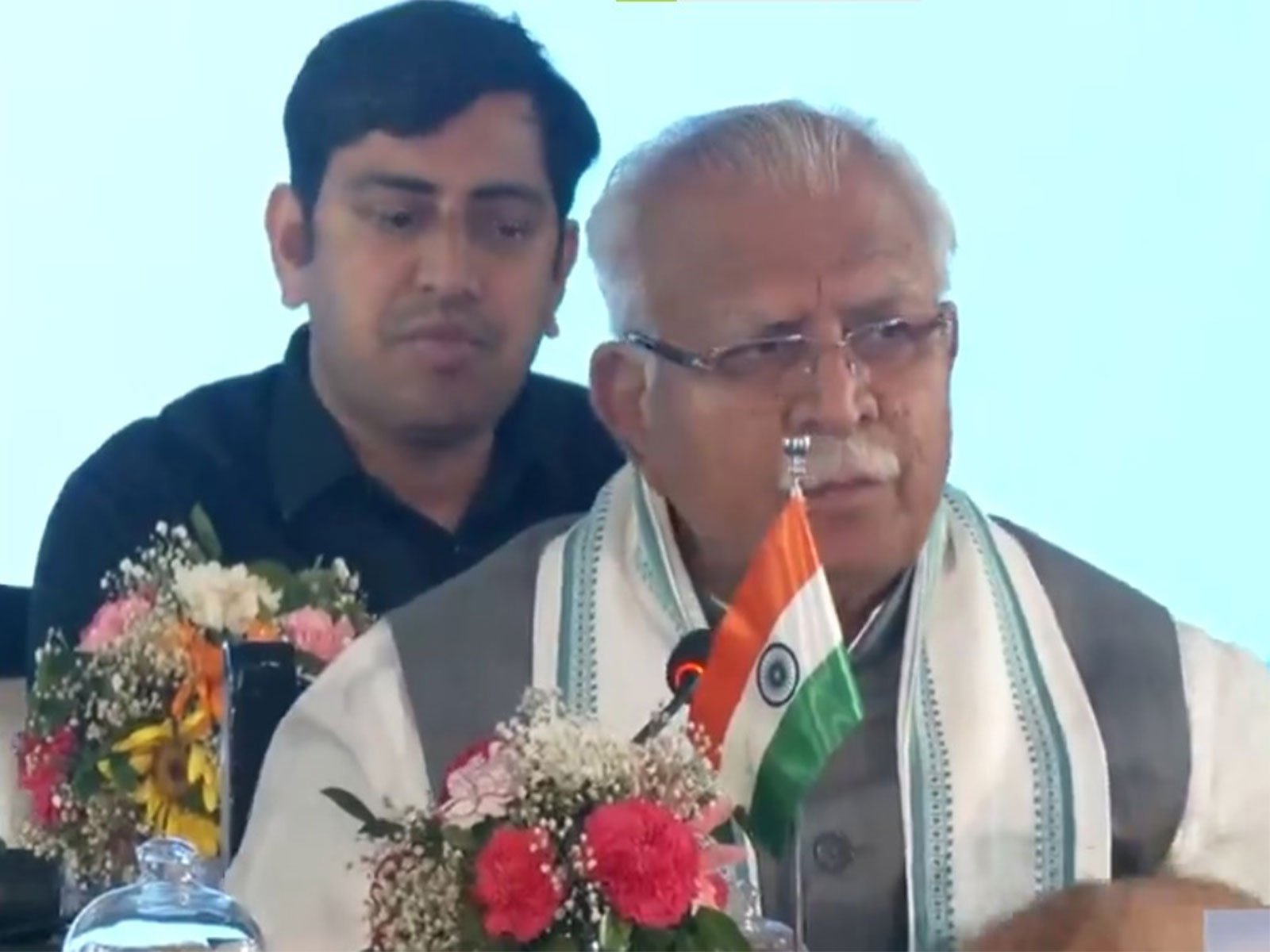
India is rapidly emerging as a global leader in clean energy, with Union Power and Housing and Urban Affairs Minister Manohar Lal Khattar stating that the country is now among the world’s leading nations in solar and wind energy deployment. Speaking at the 11th BRICS Energy Ministers Meeting in Gurugram, Haryana, Khattar highlighted India’s remarkable progress in renewable energy, smart grid development, energy storage, and digital transformation of the power sector.
The minister emphasized that India among world’s leading countries in solar and wind energy is no longer just an ambition but a reality backed by large-scale investments, government initiatives, and technological innovation. He said India’s clean energy transition reflects the country’s commitment to achieving energy security, sustainability, and inclusive economic growth.
India Among World’s Leading Countries in Solar and Wind Energy
Highlighting India’s achievements, Khattar said India among world’s leading countries in solar and wind energy demonstrates the nation’s growing contribution to global climate goals. Over the last decade, India has significantly expanded its renewable energy capacity, making it one of the fastest-growing clean energy markets in the world.
According to the minister, the government’s focus on expanding renewable energy infrastructure has helped India become a preferred destination for investments in green energy projects. The rapid deployment of solar parks and wind farms has strengthened India’s position in the global renewable energy sector.
Khattar stated that India among world’s leading countries in solar and wind energy is the result of consistent policy reforms, investor confidence, and public-private partnerships that continue to drive the country’s clean energy revolution.
BRICS Energy Cooperation Gets a Major Boost
Addressing ministers from BRICS member nations, Khattar welcomed the launch of a new centre under BRICS Energy Cooperation. He described the initiative as an important milestone for strengthening collaboration among member countries.
He noted that India among world’s leading countries in solar and wind energy positions the country as a valuable partner in sharing knowledge, innovation, and best practices with BRICS nations.
The newly launched centre is expected to encourage cooperation in renewable energy technologies, smart grids, energy storage systems, policy development, and sustainable infrastructure. Khattar said collaboration among BRICS countries will help build reliable and future-ready energy systems capable of addressing emerging global challenges.
Renewable Energy Transforming Global Power Systems
The minister observed that power systems across the world are undergoing a significant transformation as renewable energy becomes central to electricity generation.
He explained that India among world’s leading countries in solar and wind energy reflects the country’s preparedness to adapt to changing global energy requirements. Traditional electricity grids are evolving into intelligent networks capable of managing real-time electricity demand while integrating renewable energy sources efficiently.
Khattar said future power grids will support digital technologies, advanced monitoring systems, battery storage, and consumer participation, making electricity distribution more efficient and reliable.
The transition towards renewable energy is also expected to reduce carbon emissions while ensuring long-term energy security for millions of consumers.
India’s Smart Grid and Smart Metering Revolution
One of the major highlights of Khattar’s address was India’s ambitious smart metering programme. He said India among world’s leading countries in solar and wind energy is complemented by one of the world’s largest smart meter deployment initiatives.
The government is implementing millions of smart electricity meters across the country to improve billing accuracy, reduce power losses, and strengthen grid efficiency.
Smart meters allow electricity distribution companies to monitor energy consumption in real time while helping consumers better manage electricity usage. The digital transformation of India’s power sector is expected to improve operational efficiency and enhance customer services.
Khattar added that smart grid technologies will play a crucial role in integrating renewable energy into the national power network.
Ambitious Energy Storage Targets
The Union Minister also outlined India’s ambitious roadmap for energy storage development.
He announced that India among world’s leading countries in solar and wind energy is supported by aggressive investments in pumped storage and battery storage systems. India has set a target of developing nearly 100 gigawatts of pumped storage capacity against an estimated potential of 260 gigawatts.
Additionally, the government aims to establish around 80 gigawatts of battery storage capacity to support renewable energy integration.
Energy storage systems are considered essential because solar and wind energy generation depends on weather conditions. Large-scale storage enables excess electricity generated during peak production periods to be stored and supplied when demand increases or renewable generation declines.
India’s Clean Energy Vision
Khattar said India’s energy strategy focuses on creating a balanced ecosystem that promotes sustainability while ensuring reliable electricity supply.
The statement that India among world’s leading countries in solar and wind energy reflects the country’s long-term commitment towards reducing dependence on fossil fuels and increasing the share of renewable energy in the national energy mix.
Government initiatives such as solar parks, rooftop solar projects, wind energy corridors, green hydrogen development, and electric mobility are accelerating India’s clean energy transition.
The minister stressed that technological innovation will remain at the centre of India’s future energy planning.
BRICS Priorities Focus on Energy Security
India’s agenda under the BRICS Energy Ministers Meeting revolves around three major priorities:
- Energy security and sustainability
- Energy access and equity
- Technology and innovation
Khattar said India among world’s leading countries in solar and wind energy enables the country to contribute meaningfully to these shared priorities while supporting global efforts towards sustainable development.
The BRICS grouping, now consisting of 11 member countries, represents nearly half of the world’s population and contributes approximately 40 percent of global GDP. Enhanced cooperation among these economies can significantly accelerate clean energy deployment worldwide.
Benefits for India’s Economy
The rise of renewable energy is expected to generate significant economic benefits for India.
As India among world’s leading countries in solar and wind energy, investments in renewable energy projects are creating employment opportunities across manufacturing, construction, engineering, maintenance, and technology sectors.
The expansion of clean energy infrastructure also reduces dependence on imported fossil fuels, improving India’s energy security and lowering long-term energy costs.
Experts believe India’s leadership in renewable energy will attract greater foreign investment while supporting sustainable industrial growth.
Future of India’s Renewable Energy Sector
Industry experts believe India’s renewable energy sector is entering a new phase of accelerated growth. Continued policy support, technological innovation, and international cooperation through forums such as BRICS will further strengthen India’s leadership position.
As India among world’s leading countries in solar and wind energy, the nation is expected to play an increasingly important role in shaping global clean energy policies and technologies.
Future investments in green hydrogen, offshore wind projects, battery manufacturing, smart grids, and advanced energy storage systems are likely to accelerate India’s transition towards a low-carbon economy.
Conclusion
Union Minister Manohar Lal Khattar’s remarks at the BRICS Energy Ministers Meeting reaffirm India’s commitment to becoming a global clean energy powerhouse. His statement that India among world’s leading countries in solar and wind energy highlights the remarkable progress made in renewable energy deployment, smart grid modernisation, and energy storage development.
With ambitious renewable energy targets, one of the world’s largest smart metering programmes, and strong international cooperation through BRICS, India is well-positioned to lead the global energy transition. As the country continues investing in sustainable technologies and future-ready power systems, India among world’s leading countries in solar and wind energy is expected to remain a defining feature of its energy strategy and economic growth in the years ahead.
About The Author