

Project Hawk Eye Strengthens Amarnath Yatra Security with Advanced Multi-Layer Surveillance in Anantnag
 admin
admin 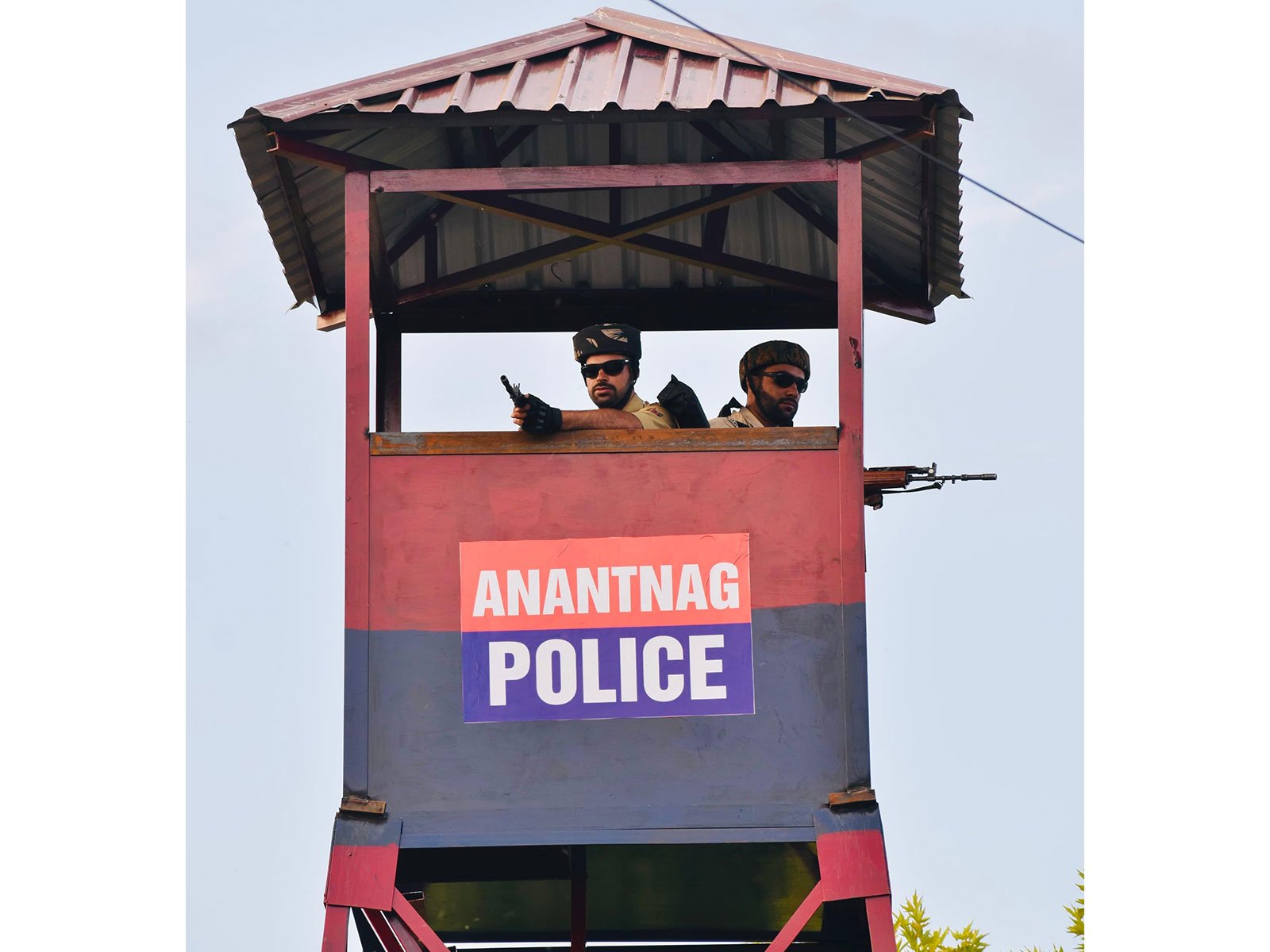
The security arrangements for the upcoming Amarnath Yatra 2026 have received a major technological boost as Anantnag Police has launched an advanced surveillance initiative named Project Hawk Eye. The initiative is designed to ensure round-the-clock monitoring, enhanced threat detection, and seamless coordination between aerial and ground security units along the pilgrimage route.
This ambitious step marks a significant upgrade in the security infrastructure for one of India’s most important annual religious pilgrimages. The implementation of Project Hawk Eye is being seen as a model for integrating modern policing tools with traditional security deployment methods.
Multi-Layer Security Grid Introduced Under Project Hawk Eye
Under Project Hawk Eye, Anantnag Police has developed a multi-layered security architecture combining technology, manpower, and strategic observation posts. The aim is to create a highly responsive and preventive security environment for pilgrims traveling through sensitive stretches.
As part of Project Hawk Eye, five advanced drones have been deployed at key locations. These drones are equipped with real-time surveillance capabilities, enabling authorities to monitor movement patterns and detect suspicious activity from the sky. The aerial component of Project Hawk Eye provides continuous intelligence support to ground forces.
On the ground, 28 Machan Morchas (elevated observation posts) have been strategically installed at vulnerable points. These observation posts strengthen visual coverage and improve territorial control. The deployment of these structures is a core element of Project Hawk Eye, ensuring that no critical stretch of the yatra route remains unmonitored.
Sniper Teams and Tactical Deployment Enhance Ground Security
To further reinforce the security framework, 22 specially trained sniper teams have been positioned at designated high-risk areas. These teams act as rapid-response units capable of addressing any potential threat. Their deployment adds another layer of protection within the broader Project Hawk Eye system.
The integration of such tactical units into Project Hawk Eye highlights the emphasis on preparedness and deterrence. Authorities believe that visible and covert security layers significantly reduce the likelihood of disruptive incidents during the pilgrimage.
CCTV and Facial Recognition System Integrated
One of the most advanced components of Project Hawk Eye is the installation of 416 high-resolution CCTV cameras across critical segments of the Amarnath Yatra route. These cameras operate continuously, ensuring uninterrupted surveillance of pilgrim movement and surrounding areas.
In addition, a Facial Recognition System (FRS) has been deployed to assist in identifying individuals of concern. This digital layer of Project Hawk Eye enables faster verification and enhances situational awareness for security forces.
The combination of CCTV and facial recognition technology significantly improves preventive policing capabilities, allowing authorities to respond swiftly to any irregularities.
Strengthening Coordination Between Sky and Ground Units
The defining feature is its integration of aerial surveillance with ground-level monitoring systems. Drones provide real-time aerial inputs, while Machan Morchas and CCTV networks ensure comprehensive ground coverage.
This synchronized approach under Project Hawk Eye ensures that security personnel can maintain a unified command structure and respond effectively to emerging situations. The system is designed to reduce response time and improve decision-making accuracy.
Focus on Pilgrim Safety and Smooth Yatra Conduct
The primary objective of Project Hawk Eye is to ensure the safe, secure, and peaceful conduct of the Amarnath Yatra. Authorities have emphasized that every aspect of the pilgrimage route is being closely monitored to prevent any disruption.
Officials from Anantnag Police have reiterated their commitment to safeguarding pilgrims and ensuring that the spiritual journey remains uninterrupted. The introduction of Project Hawk Eye reflects a proactive security strategy aimed at prevention rather than reaction.
Public Cooperation and Awareness Measures
As part of the awareness campaign linked to Project Hawk Eye, pilgrims and local residents have been urged to remain vigilant and cooperate with security personnel. Authorities have requested the public to report any suspicious activity immediately to the nearest police station.
The success of Project Hawk Eye depends not only on technology and manpower but also on community participation. Security officials believe that public cooperation will further strengthen the effectiveness of the system.
Technological Advancement in Policing Strategy
The launch of Project Hawk Eye represents a shift toward technology-driven policing in sensitive regions. By combining drones, CCTV networks, facial recognition systems, and tactical ground forces, the initiative sets a new benchmark for pilgrimage security management.
This integrated model under Project Hawk Eye is expected to enhance operational efficiency and improve intelligence gathering capabilities. It also reflects the increasing reliance on digital surveillance tools in modern law enforcement.
Comprehensive Monitoring Across Yatra Route
From the base camps to the higher-altitude routes, Project Hawk Eye ensures continuous monitoring of all movement corridors. The deployment strategy has been carefully designed to cover both high-density pilgrim areas and remote stretches.
The multi-layered structure of Project Hawk Eye ensures that no section of the route remains outside the surveillance network. This comprehensive coverage significantly reduces security gaps and enhances overall safety.
A New Benchmark in Pilgrimage Security
With the launch of Project Hawk Eye, Anantnag Police has taken a major step toward modernizing security arrangements for the Amarnath Yatra. The initiative combines advanced technology, strategic deployment, and real-time monitoring to create a robust safety framework.
As preparations for the Amarnath Yatra 2026 continue, Project Hawk Eye is expected to play a crucial role in ensuring a smooth and secure pilgrimage experience for thousands of devotees.
The initiative stands as a strong example of how modern policing tools can be effectively integrated to safeguard large-scale public events in challenging terrains.
About The Author