
 admin
admin 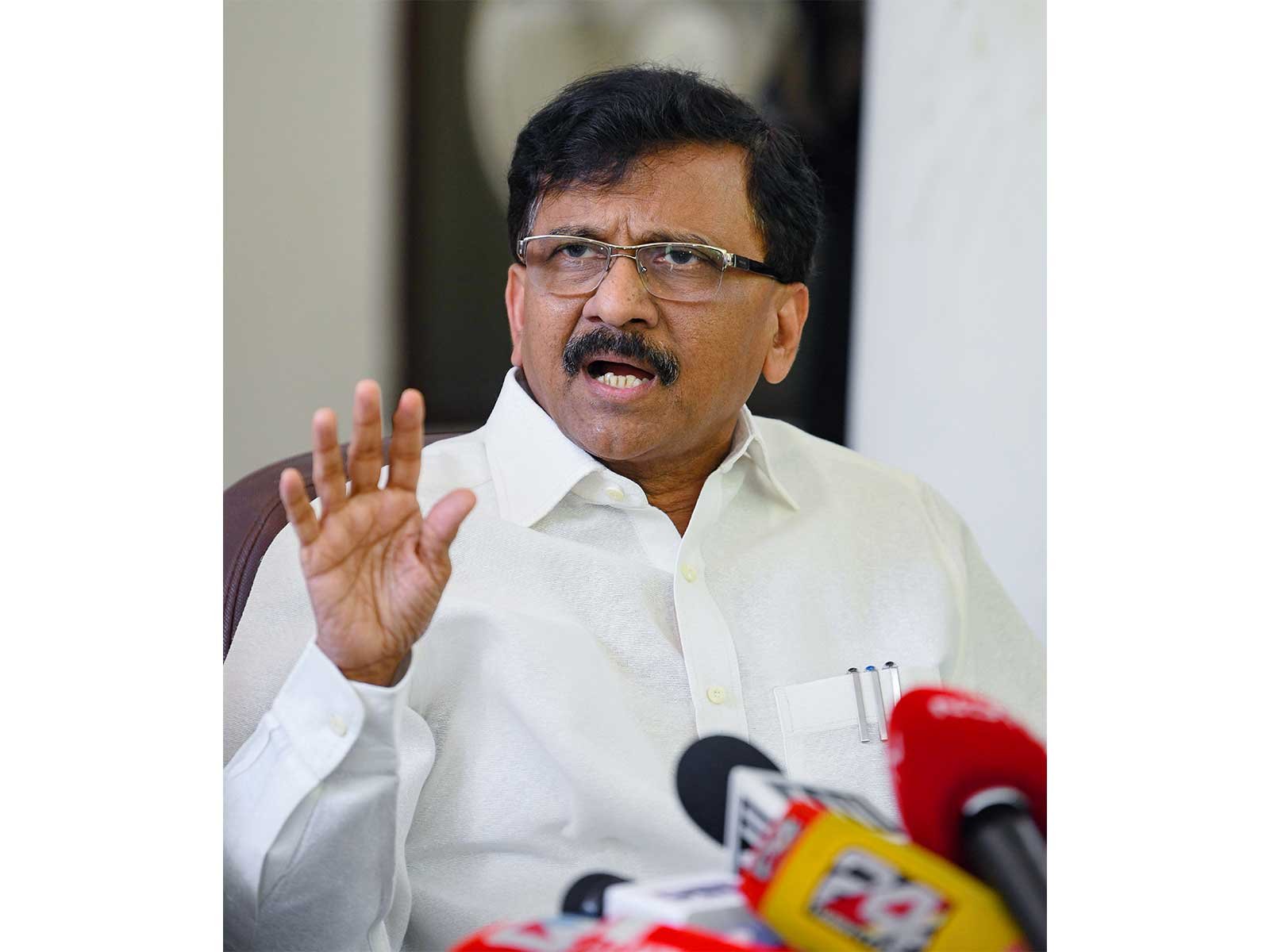
The Ram Mandir donation controversy has gained fresh political attention after Shiv Sena (Uddhav Balasaheb Thackeray) MP Sanjay Raut raised serious concerns over the alleged disappearance of a 4 kg silver brick reportedly donated by his party for the construction of the Ram Temple in Ayodhya, Uttar Pradesh.
Raut has demanded accountability and a full investigation into the matter, alleging that no receipt or official update has been provided by the temple trust regarding the donation made during the early stages of the temple construction process.
Allegations Raised by Sanjay Raut
According to Sanjay Raut, Shiv Sena (UBT) chief Uddhav Thackeray had contributed ₹1 crore along with a symbolic 4 kg silver brick for the construction of the Ram Mandir. The Ram Mandir donation controversy,contribution, he claims, was made in the presence of party workers and saints during a public religious-political event.
Raut posted on social media platform X, questioning the absence of any formal acknowledgment or trace of the silver brick. He argued that despite several years passing since the donation, the party has not received any receipt, update, or confirmation from the concerned authorities managing the temple construction.
The Shiv Sena (UBT) leader termed the issue serious and called for transparency in handling public and religious donations linked to the temple project.
Political Reaction and Escalation
The issue has quickly turned into a political flashpoint, adding another layer to the already sensitive Ram Mandir donation controversy.
Raut also targeted the Bharatiya Janata Party leadership, including Prime Minister Narendra Modi and Union Home Minister Amit Shah, alleging that no meaningful action would be taken if irregularities exist in the handling of donations.
His remarks have intensified the political debate around transparency and accountability in religious fundraising associated with large-scale infrastructure projects like the Ram temple.
Role of Ram Mandir Trust
The Ram Mandir construction and donation management is overseen by the Shri Ram Janmabhoomi Teerth Kshetra Trust, which is responsible for coordinating funds, donations, and construction activities in Ayodhya.
Raut has questioned the trust’s record-keeping system, specifically demanding clarification on whether the silver brick was officially recorded, utilized, or remains unaccounted for.
At the center of the Ram Mandir donation controversy, the opposition leader has insisted that transparency is essential when dealing with public contributions, especially those connected to religious sentiments.
FIR and Investigation Development
The Ram Mandir donation controversy has gained legal momentum after reports confirmed that an FIR has been registered in connection with alleged misappropriation of donations received for the Ram Mandir project.
The case has been filed under multiple sections of the Bharatiya Nyaya Sanhita (BNS), following directions from the Uttar Pradesh government. Authorities have also named several individuals in the FIR, including those allegedly linked to donation handling and accounting processes.
Earlier, allegations of financial irregularities were raised by former Samajwadi Party MLA Pawan Pandey, who claimed that several crores of rupees collected as donations may have been misused or unaccounted for.
In response to mounting pressure, a Special Investigation Team (SIT) was formed to examine the allegations and audit donation-related transactions linked to the temple project.
Background of Donations and Public Sentiment
The Ram Mandir project has received widespread public contributions from individuals, organizations, and political groups across India. The construction of the temple in Ayodhya has been a significant cultural and political milestone, attracting donations in cash, kind, and symbolic offerings.
However, the emergence of the Ram Mandir donation controversy has sparked questions about how donations are tracked and whether proper receipts and records are maintained for every contribution.
Raut’s allegations specifically highlight the symbolic silver brick, which he claims represents both emotional and financial contribution from Shiv Sena (UBT) supporters.
Opposition’s Standpoint
Shiv Sena (UBT) leaders argue that the issue is not just about a missing item but about transparency in religious institutions managing large funds.
They are demanding that the trust publicly disclose donation records and clarify whether all contributions, including non-monetary items like silver bricks, have been properly documented.
According to them, Ram Mandir donation controversy failure to do so weakens public trust and fuels political suspicion around the management of temple funds.
Government and Trust Response Awaited
As of now, there has been no detailed public response from the Ram Mandir Trust regarding the specific allegation raised by Sanjay Raut.
The Ram Mandir donation controversy continues to develop as political leaders, investigative agencies, and religious authorities navigate the sensitive intersection of faith, governance, and public accountability.
Officials are expected to review the FIR details and the SIT findings before issuing a formal clarification on the matter.
Broader Political Impact
The Ram Mandir donation controversy, issue has added a new dimension to ongoing political tensions between opposition parties and the ruling establishment. It has also revived debates over transparency in religious donation management and the role of political parties in temple-related contributions.
Analysts suggest that the controversy may further intensify political discourse in Maharashtra and Uttar Pradesh, especially given the emotional and religious significance of the Ram Mandir project.
The Ram Mandir donation controversy surrounding the alleged missing 4 kg silver brick has become a politically sensitive issue involving senior leaders, investigative agencies, and the temple trust.
With demands for a detailed probe, FIR registration, and SIT investigation already in motion, the matter is likely to remain in the spotlight in the coming days.
Whether the allegations lead to concrete findings or remain a political dispute, the controversy has already triggered a wider discussion on transparency, accountability, and governance in large-scale religious donations in India.
About The Author