
 admin
admin 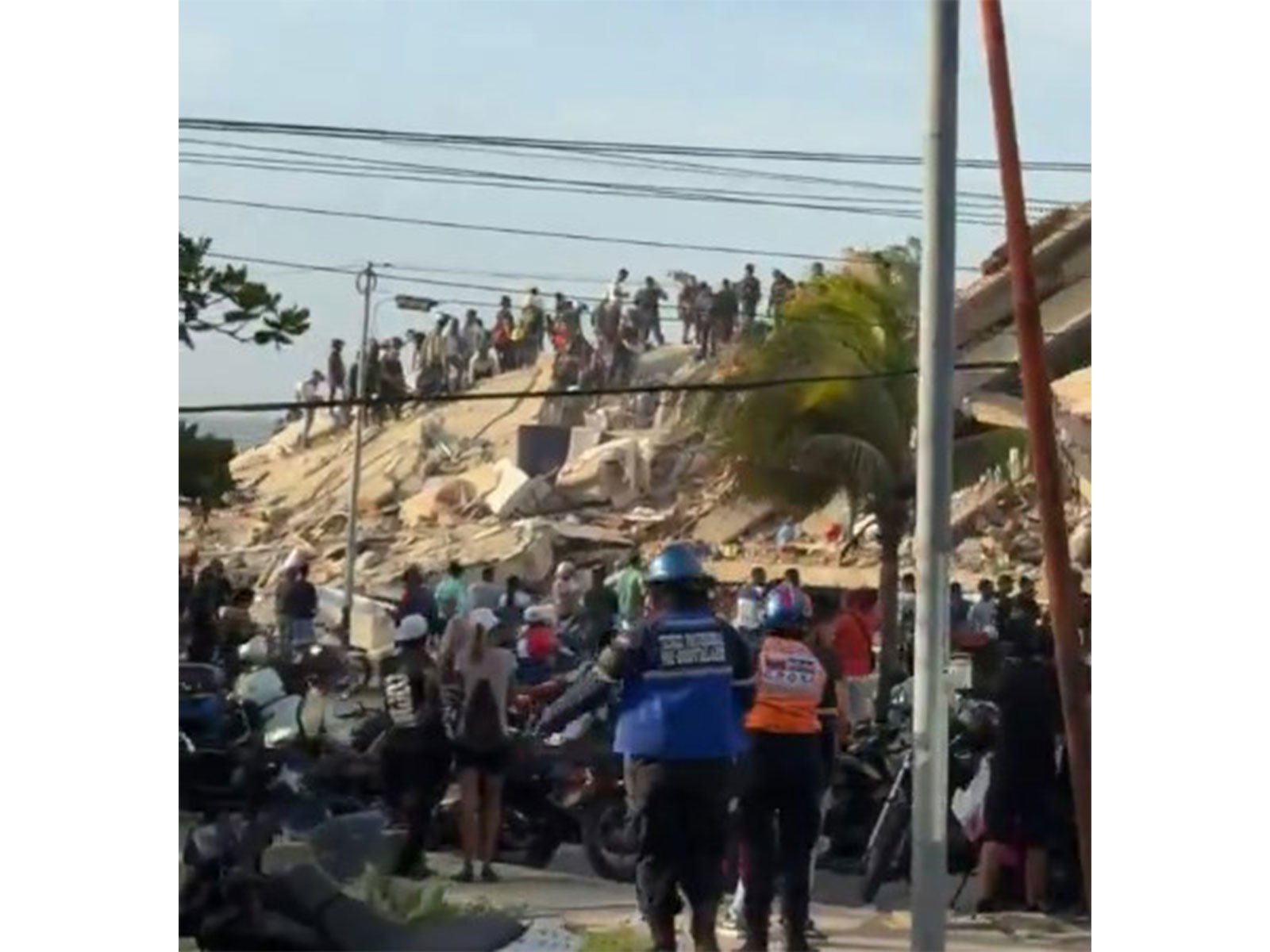
Massive Earthquakes Devastate Venezuela, Triggering Humanitarian Emergency
Caracas, Venezuela is facing one of its worst natural disasters in recent years after two powerful earthquakes struck the country in quick succession on June 24, 2026. The tremors, measuring magnitude 7.2 and 7.5, caused widespread destruction across urban and coastal regions, including La Guaira, Vargas, and the capital city Caracas.
According to official reports Venezuela earthquake relief efforts from health authorities, the death toll has risen to 235, while more than 4,300 people have been injured. Many of the injured remain in serious condition, requiring urgent surgical treatment and emergency medical care.
Hospitals in affected regions have been overwhelmed, with patients arriving in critical condition or already without vital signs. Emergency teams continue to work around the clock as aftershocks and infrastructure damage complicate rescue operations.
As the scale of devastation became clearer, global attention shifted rapidly toward coordinated humanitarian response, with Venezuela earthquake relief efforts emerging as one of the largest international disaster response operations in recent years.
Local Communities Lead Immediate Rescue and Support Operations
Despite widespread destruction, local communities across Venezuela have stepped forward to support emergency response operations. Volunteers in affected areas have organized spontaneous relief networks, delivering essential supplies such as drinking water, non-perishable food, medicine, clothing, and basic survival kits.
In regions like Vargas and Caraballeda, hundreds of motorbike riders have been transporting emergency supplies through damaged roads, ensuring that remote communities receive urgent assistance.
Social and political groups have also mobilized support campaigns, encouraging citizens to donate and distribute essential goods. These grassroots efforts have become a critical lifeline while official rescue operations continue to expand.
The resilience of local communities has become a defining feature of ongoing Venezuela earthquake relief efforts, helping bridge gaps in emergency logistics and supply distribution.
International Aid Mobilized on a Massive Scale
The global response to the disaster has been swift and extensive. Multiple countries and international organizations have launched coordinated relief operations to assist Venezuela.
United States Military Airlift Support
The United States Southern Command (SOUTHCOM) has deployed strategic airlift assets, including C-17 Globemaster and C-130 Hercules aircraft, to deliver humanitarian aid and emergency response teams.
These aircraft are transporting critical supplies such as medical equipment, rescue tools, and disaster relief materials to affected zones. The operation is designed to accelerate delivery times and support overwhelmed local infrastructure.
U.S. officials emphasized that the mission is focused on rapid humanitarian assistance and life-saving support in coordination with international partners.
This deployment marks a significant escalation in global Venezuela earthquake relief efforts, ensuring large-scale logistical support reaches disaster-hit regions quickly.
United Nations Coordinates Global Humanitarian Response
The United Nations has also activated its emergency response mechanisms. UN Secretary-General António Guterres expressed deep sorrow over the loss of life and confirmed that UN agencies are working closely with Venezuelan authorities.
Humanitarian teams are coordinating shelter provision, medical assistance, and food distribution while assessing long-term recovery needs.
The UN’s involvement has strengthened global coordination, enabling faster resource mobilization and improved communication between international donors and local agencies.
European Rescue Teams Join Search and Rescue Missions
Several European nations Venezuela earthquake relief efforts have deployed specialized Urban Search and Rescue (USAR) teams to assist in locating survivors trapped under rubble.
France Deploys Elite Civil Security Units
France has sent highly trained rescue personnel, including search dogs and structural collapse experts from its Civil Security units. These teams are operating under European Union coordination frameworks, allowing seamless integration with other international responders.
The French deployment includes advanced equipment capable of operating in highly unstable environments, improving survival chances for victims trapped beneath debris.
Switzerland Sends Rescue Chain Mission
Switzerland has also dispatched its “Swiss Rescue Chain” from Zurich to Caracas. The mission includes around 80 specialists, trained rescue dogs, and nearly 18 tons of specialized equipment.
These teams are expected to play a crucial role in search-and-rescue operations, particularly in densely affected urban zones where structural damage is severe.
Together, these efforts form a major component of ongoing Venezuela earthquake relief efforts, strengthening international cooperation in disaster response.
Widespread Infrastructure Damage Slows Recovery
Preliminary assessments indicate extensive structural damage across major cities. Residential buildings, hospitals, roads, and communication networks have been severely affected, making rescue operations more challenging.
Power outages and disrupted transportation routes have further complicated emergency response efforts. Authorities are prioritizing clearing debris, restoring communication systems, and reopening critical access roads.
Engineers and disaster management teams are currently assessing long-term reconstruction requirements, which are expected to take months or even years depending on the severity of damage.
Humanitarian Crisis Deepens as Aftershocks Continue
Ongoing Venezuela earthquake relief efforts aftershocks continue to raise concerns among emergency officials and residents. Many people remain displaced, taking shelter in temporary camps and open spaces due to fears of collapsing structures.
Medical facilities are operating beyond capacity, with shortages of supplies and personnel reported in several regions. International aid shipments are expected to ease pressure on hospitals in the coming days.
Psychological support teams are also being deployed to help survivors cope with trauma and loss, marking a critical but often overlooked aspect of Venezuela earthquake relief efforts.
Global Solidarity Strengthens Recovery Outlook
Despite the scale of destruction, Venezuela earthquake relief efforts global response has highlighted unprecedented international solidarity. Governments, humanitarian organizations, and civil society groups are working together to accelerate rescue and recovery operations.
From military airlifts to volunteer-driven grassroots networks, the combined effort reflects one of the most coordinated disaster responses in recent years.
Officials warn that recovery will be a long-term process requiring sustained global support, financial assistance, and reconstruction planning.
However, Venezuela earthquake relief efforts the rapid mobilization of aid and resources has already improved survival outcomes and expanded access to critical care in affected regions.
The devastating earthquakes in Venezuela have triggered a major humanitarian emergency, with hundreds of lives lost and thousands injured. Yet, the scale of international cooperation demonstrates a powerful global commitment to saving lives and rebuilding communities.
As rescue operations continue and relief supplies reach affected areas, Venezuela earthquake relief efforts remain central to saving survivors and stabilizing the region. The coming weeks will be critical in determining how quickly the country can transition from emergency response to long-term recovery and rebuilding.
About The Author