
 admin
admin 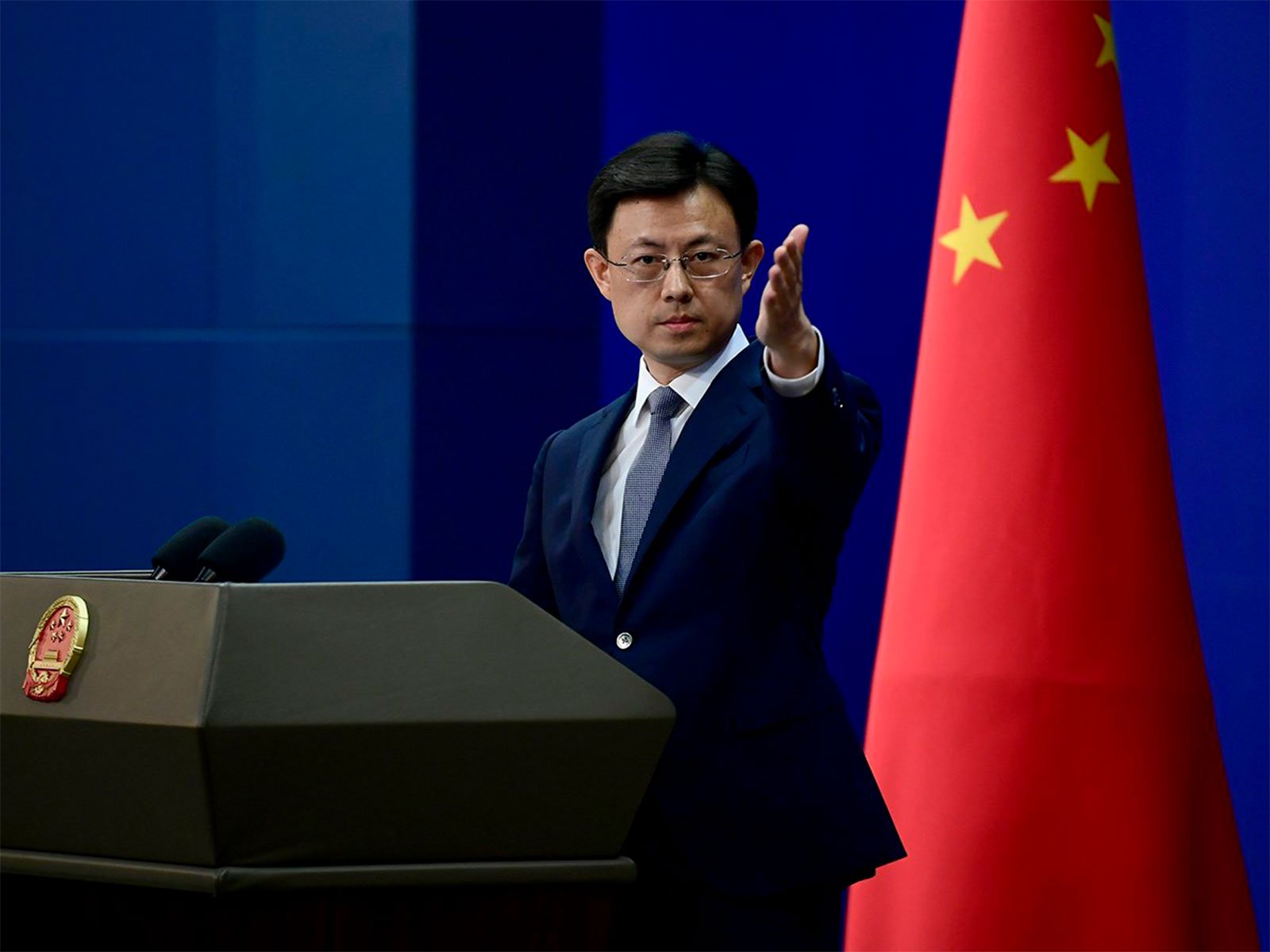
China Says Teesta Cooperation Is Not Directed Against Any Country
China has reiterated that the China-Bangladesh Teesta River Project is aimed at development and livelihood enhancement rather than geopolitical competition. Beijing’s statement came amid growing discussions regarding its involvement in the rehabilitation and comprehensive treatment of the Teesta River, a waterway shared by India and Bangladesh.
During a regular media briefing in Beijing, Chinese Foreign Ministry spokesperson Guo Jiakun emphasized that cooperation between China and Bangladesh remains focused on mutual development goals and does not target any third country.
The statement is significant because the China-Bangladesh Teesta River Project has attracted attention due to the strategic and economic importance of the river in South Asia.
Beijing Offers Support for Teesta Rehabilitation
China expressed its readiness to support Bangladesh’s efforts to rehabilitate and comprehensively manage the Teesta River. According to Chinese officials, the project is considered a major livelihood initiative by Dhaka.
The proposed collaboration under the China-Bangladesh Teesta River Project may include river management, water conservation measures, infrastructure development, flood control systems, and environmental restoration activities.
Officials in Beijing highlighted that improved river management could contribute to economic growth, agricultural sustainability, and better living conditions for communities residing along the river basin.
Economic and Development Cooperation Expands
The China-Bangladesh Teesta River Project is being viewed as part of broader economic cooperation between the two countries. China stated that it intends to strengthen strategic alignment with Bangladesh in areas such as:
- Water resource management
- Infrastructure development
- Trade and commerce
- Environmental conservation
- Rural development
- Livelihood enhancement
Chinese authorities believe that enhanced cooperation can help Bangladesh address long-term challenges associated with river erosion, seasonal flooding, and water management.
The project also reflects growing economic ties between Beijing and Dhaka as both countries seek new opportunities for development and regional connectivity.
China Rejects Geopolitical Concerns
One of the key messages delivered by Beijing was that the China-Bangladesh Teesta River Project should not be interpreted through a geopolitical lens.
Guo Jiakun stressed that bilateral cooperation between China and Bangladesh remains independent and should not be influenced by external actors.
According to the Chinese Foreign Ministry, development partnerships should focus on practical outcomes and benefits for local communities rather than strategic rivalries.
This clarification comes as observers continue to examine the potential regional implications of increased Chinese participation in infrastructure and development projects across South Asia.
India’s Position on the Teesta Issue
India has maintained that water-sharing and river management issues with Bangladesh are being addressed through established bilateral mechanisms.
Earlier, Ministry of External Affairs spokesperson Randhir Jaiswal stated that India and Bangladesh share 54 rivers and have structured platforms for discussing water-related concerns.
New Delhi emphasized that these mechanisms continue to function regularly and remain the primary channels for resolving river-related issues.
India’s response indicates that while developments related to the China-Bangladesh Teesta River Project are being monitored, discussions regarding water-sharing continue through existing diplomatic frameworks between India and Bangladesh.
Understanding the Teesta River Dispute
The Teesta River has long been a sensitive issue in India-Bangladesh relations. Originating in the Himalayas, the river flows through the Indian state of West Bengal before entering Bangladesh.
For decades, both countries have sought a mutually acceptable arrangement for sharing Teesta waters, particularly during the dry season when water availability becomes limited.
Bangladesh has consistently argued for a fair allocation of water resources to support agriculture, irrigation, and local livelihoods. Meanwhile, West Bengal has raised concerns about maintaining sufficient water supplies for its own agricultural requirements.
The unresolved nature of the dispute has made the China-Bangladesh Teesta River Project a topic of significant regional interest.
Previous Attempts at a Water-Sharing Agreement
Efforts to finalize a Teesta water-sharing agreement date back several decades.
In 1983, India and Bangladesh reached an ad-hoc arrangement under which Bangladesh would receive 36 percent of the river’s flow while India would receive 39 percent. The remaining 25 percent was left for future determination.
However, the agreement was never fully implemented.
A more comprehensive proposal emerged in 2011 during former Prime Minister Manmohan Singh’s visit to Bangladesh. The draft arrangement reportedly proposed allocating:
- 37.5 percent of Teesta waters to Bangladesh
- 42.5 percent to India
Despite progress in negotiations, opposition from the West Bengal government prevented the agreement from being finalized.
The issue remains unresolved, making river management and rehabilitation projects increasingly important for both countries.
Climate Change Adds New Challenges
Climate change has further complicated the management of shared river systems in South Asia.
Reduced rainfall patterns, glacial changes, extreme weather events, and growing water demand have intensified concerns regarding water security.
The China-Bangladesh Teesta River Project is being discussed against this backdrop of increasing environmental pressures.
Experts argue that modern river management strategies, including flood control measures, sediment management, and ecological restoration, may help mitigate some of these challenges.
Improved infrastructure and scientific monitoring could also enhance resilience for communities dependent on the Teesta River.
Regional Implications of the Project
The China-Bangladesh Teesta River Project represents more than a river rehabilitation initiative. It highlights the evolving dynamics of regional cooperation, infrastructure development, and resource management in South Asia.
While Bangladesh views the project as an opportunity to improve water management and support local communities, China sees it as part of broader development cooperation with a strategic partner.
India, meanwhile, continues to emphasize bilateral dialogue and existing institutional frameworks for addressing water-sharing concerns.
As discussions move forward, the project is likely to remain a focal point in regional diplomacy and development planning.
The China-Bangladesh Teesta River Project has emerged as an important development initiative with implications for water management, regional cooperation, and economic growth. China’s assurance that the project does not target any third country seeks to address concerns about its geopolitical significance.
At the same time, longstanding issues surrounding Teesta water-sharing continue to influence regional discussions. With climate challenges increasing and development needs growing, effective cooperation among stakeholders will remain crucial for ensuring the sustainable management of one of South Asia’s most important river systems.
About The Author