
 admin
admin 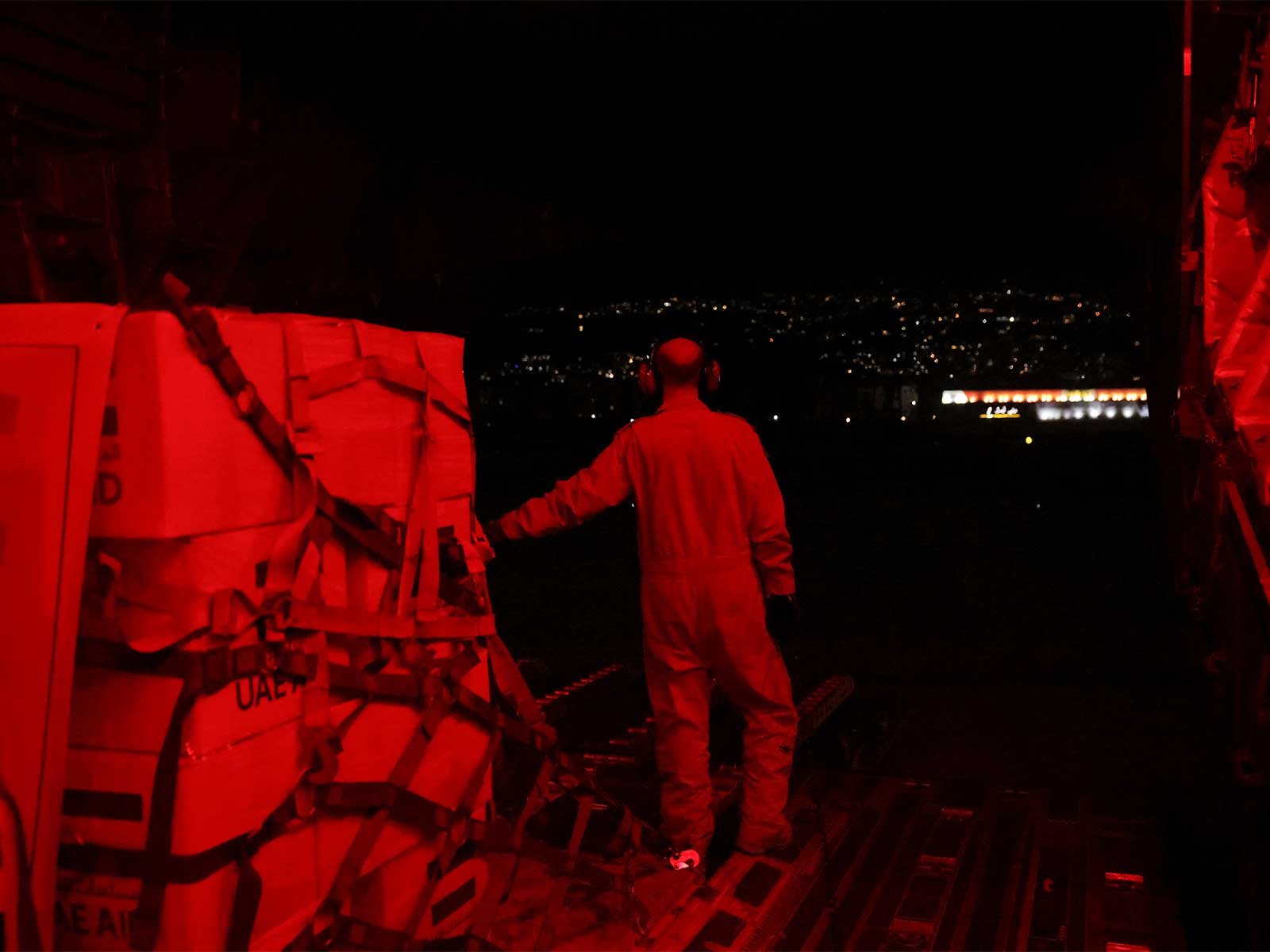
Lebanon continues to face a severe humanitarian crisis, with thousands of families struggling to meet their daily needs due to prolonged economic challenges and regional instability. In response to the growing humanitarian situation, the UAE relief efforts in Lebanon have once again demonstrated the country’s commitment to supporting communities affected by crises.
Under the directives of UAE President Sheikh Mohamed bin Zayed Al Nahyan, the UAE Aid Agency has launched a comprehensive humanitarian assistance initiative aimed at delivering food, medicine, clothing, and shelter to vulnerable families across Lebanon. The latest UAE relief efforts in Lebanon reflect the nation’s long-standing humanitarian values and its dedication to providing timely support to people affected by emergencies.
UAE Launches Fresh Humanitarian Assistance
The UAE relief efforts in Lebanon are being implemented through the UAE Aid Agency, which has mobilized emergency resources to provide immediate assistance to those most affected by the ongoing crisis.
According to the agency, the humanitarian operation is designed to ease the suffering of vulnerable communities by ensuring access to essential supplies. The assistance includes emergency food packages, medical supplies, clothing, and temporary shelter materials for families facing difficult living conditions.
The UAE stated that these humanitarian efforts are part of its broader commitment to supporting countries affected by disasters, conflicts, and humanitarian emergencies around the world.
Food, Medicine and Shelter for Families
One of the primary objectives of the UAE relief efforts in Lebanon is to ensure that basic necessities reach families without delay.
The UAE Aid Agency confirmed that relief materials will include:
- Food packages for vulnerable households
- Essential medicines and healthcare supplies
- Clothing for displaced families
- Temporary shelter assistance
- Basic relief materials
- Humanitarian support for affected communities
The initiative focuses on helping people whose lives have been disrupted by the ongoing crisis while ensuring they receive immediate humanitarian assistance.
Coordination With Lebanon’s Higher Relief Council
The success of the UAE relief efforts in Lebanon depends on effective coordination with local authorities.
The UAE Aid Agency is working closely with Lebanon’s Higher Relief Council to ensure humanitarian assistance reaches the intended beneficiaries as quickly as possible.
Through this partnership, emergency supplies will be distributed across affected regions while maintaining transparency and efficiency throughout the relief process.
Officials believe close cooperation between both countries will significantly improve the speed and effectiveness of aid delivery.
UAE Reaffirms Humanitarian Commitment
Speaking about the latest humanitarian initiative, Tareq Ahmed Al Ameri, Chairman of the UAE Aid Agency, reaffirmed the country’s commitment to helping communities affected by disasters and emergencies.
He stated that the UAE relief efforts in Lebanon demonstrate the nation’s humanitarian responsibility and commitment to providing rapid assistance whenever crises occur.
According to Al Ameri, the UAE continues to prioritize access to food, medicine, clothing, and shelter while also supporting early recovery initiatives that help affected communities rebuild their lives.
He emphasized that humanitarian work remains a core part of the UAE’s international mission and reflects the country’s values of compassion, generosity, and solidarity.
Lebanon Appreciates UAE Support
The UAE relief efforts in Lebanon have received appreciation from Lebanese officials.
Tariq Hassan Munaymina, Ambassador of Lebanon to the UAE, thanked the UAE leadership, government, and people for their continued solidarity with Lebanon during challenging times.
He acknowledged that the humanitarian assistance would help address urgent needs while supporting the country’s broader efforts toward stability, peace, and sustainable development.
The ambassador praised the UAE for consistently standing beside Lebanon whenever humanitarian assistance has been required.
Longstanding UAE-Lebanon Partnership
The latest UAE relief efforts in Lebanon are part of a long history of humanitarian cooperation between the two nations.
For many years, the UAE has supported Lebanon through emergency relief operations, healthcare assistance, educational initiatives, infrastructure development, and humanitarian aid programs.
One of the most notable campaigns was “UAE Stands with Lebanon,” which mobilized significant humanitarian assistance following previous national emergencies.
These continued efforts have strengthened bilateral relations while improving the lives of thousands of Lebanese citizens.
Why Humanitarian Aid Is Essential
The humanitarian situation in Lebanon remains difficult for many families.
Economic hardship, inflation, unemployment, and regional instability have increased pressure on vulnerable communities. Many households continue to struggle with limited access to food, healthcare, and other essential services.
The UAE relief efforts in Lebanon aim to reduce these hardships by providing life-saving assistance to people who need immediate support.
Humanitarian organizations believe international cooperation remains critical in helping Lebanon recover from ongoing challenges while protecting the welfare of affected populations.
UAE’s Global Humanitarian Leadership
Beyond Lebanon, the UAE has earned international recognition for its humanitarian work across the globe.
The UAE relief efforts in Lebanon are part of a wider strategy that includes disaster response, refugee assistance, emergency healthcare, food security, and long-term development projects.
Through the UAE Aid Agency and various humanitarian organizations, the country has delivered assistance to nations affected by natural disasters, armed conflicts, and humanitarian emergencies across Asia, Africa, Europe, and the Middle East.
These initiatives reinforce the UAE’s role as one of the world’s leading humanitarian donors committed to improving lives through sustainable assistance.
Focus on Early Recovery
While emergency relief remains the immediate priority, the UAE relief efforts in Lebanon also support early recovery initiatives.
Recovery programs aim to help communities rebuild their livelihoods, restore access to essential services, and improve resilience against future crises.
Experts believe combining emergency assistance with long-term recovery measures creates a stronger foundation for sustainable development.
This approach ensures humanitarian support extends beyond immediate relief and contributes to lasting improvements in affected communities.
International Cooperation Matters
The latest humanitarian mission highlights the importance of international cooperation during times of crisis.
The UAE relief efforts in Lebanon demonstrate how partnerships between governments, humanitarian agencies, and local authorities can deliver meaningful assistance to vulnerable populations.
By working together, relief organizations can improve coordination, reduce delays, and ensure aid reaches families who need it most.
Such collaborative efforts also strengthen global humanitarian networks and encourage greater international solidarity.
The UAE relief efforts in Lebanon underscore the country’s unwavering commitment to supporting communities facing humanitarian challenges. Through the UAE Aid Agency, emergency assistance including food, medicine, clothing, and shelter is being delivered to families affected by the ongoing crisis.
Working in coordination with Lebanon’s Higher Relief Council, the UAE continues to provide timely humanitarian aid while supporting early recovery and long-term resilience. As Lebanon navigates complex economic and humanitarian challenges, the UAE relief efforts in Lebanon offer much-needed hope and practical support to thousands of vulnerable people.
The latest initiative not only reflects the UAE’s humanitarian values but also reinforces its reputation as a trusted global partner dedicated to promoting compassion, solidarity, and sustainable development during times of crisis.
About The Author