
 admin
admin 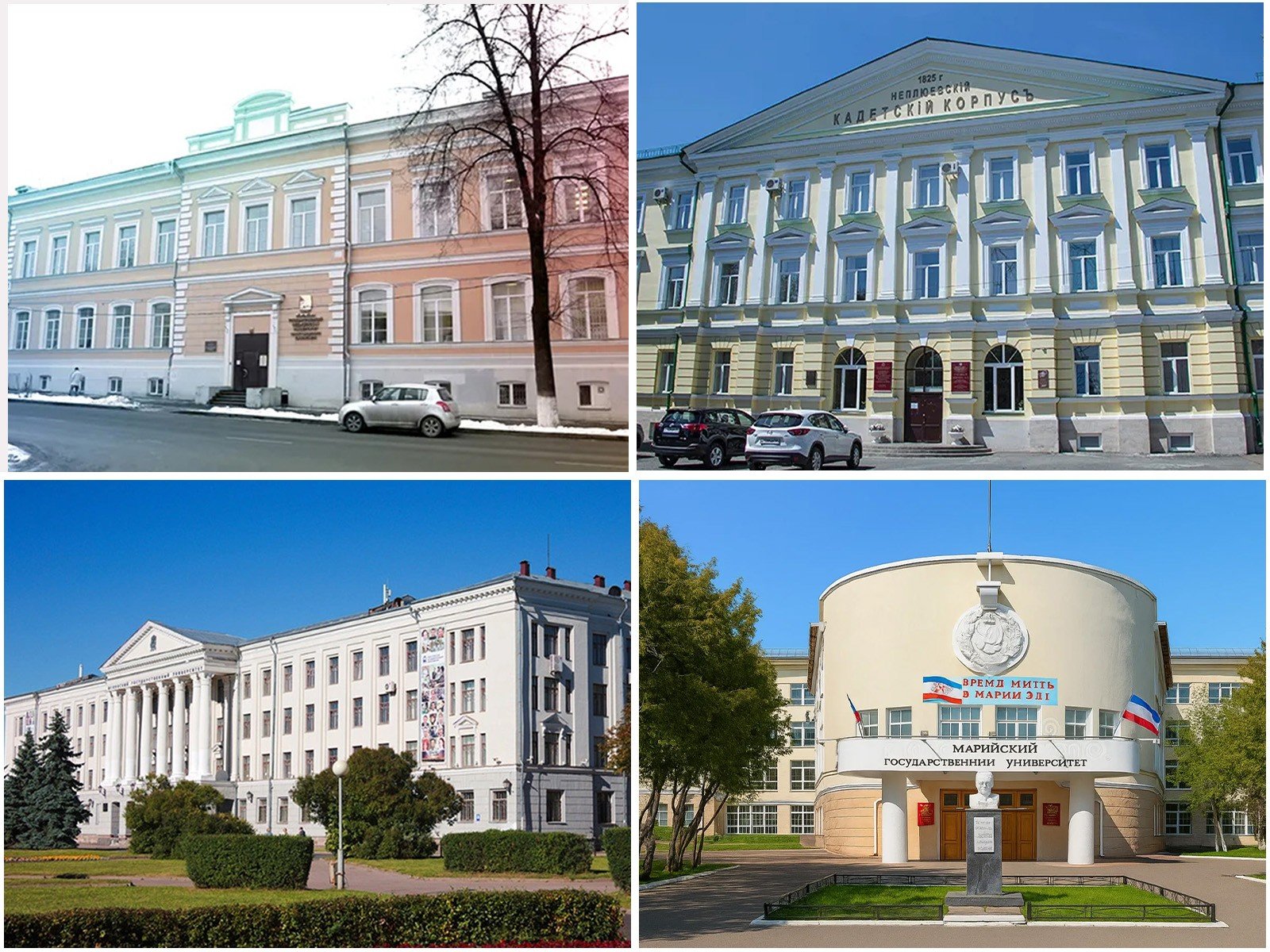
For thousands of Indian students aspiring to become doctors, securing an affordable and quality MBBS seat in India can be highly competitive. After NEET 2026, many students and parents are therefore exploring medical education opportunities abroad. Among the available destinations, MBBS in Russia continues to attract attention because of its established medical education system, diverse universities and international student community.
Russia has a long history of medical education and a wide network of universities and teaching hospitals. The country has also become a familiar destination for Indian students seeking opportunities outside India’s highly competitive private medical education sector.
According to Ministry of External Affairs data cited in the source material, the number of Indian students in Russia increased from 19,784 in 2022 to 23,503 in 2023 and 31,444 in 2024. This growing student presence has contributed to increased awareness of MBBS in Russia among Indian families.
Why MBBS in Russia Is Considered by Indian Students
One of the biggest reasons students consider MBBS in Russia is the overall cost of medical education. Compared with several private medical colleges in India, studying medicine in Russia may provide a comparatively accessible option for families looking at overseas education.
However, students should not compare universities only on the basis of tuition fees. The complete cost can include tuition, hostel accommodation, food, medical insurance, visa-related expenses, travel and other university charges.
Universities such as Orenburg State Medical University, Perm State Medical University and Mari State University are among the institutions considered by Indian students. Before selecting a university for MBBS in Russia, applicants should carefully examine the total six-year expenditure and the facilities offered.
MBBS in Russia After NEET 2026
NEET remains the key entrance examination for undergraduate medical education in India. With intense competition for medical seats, students who do not secure a suitable seat within their preferred budget may explore international options.
For these students, MBBS in Russia can be an option worth researching. Nevertheless, choosing a foreign medical university should involve much more than checking seat availability or comparing fees.
Students should evaluate the university’s curriculum, duration of the programme, medium of instruction, clinical training, teaching facilities, affiliated hospitals and applicable regulatory requirements before taking an admission decision.
NMC Guidelines for MBBS in Russia
Regulatory compliance is one of the most important considerations when planning MBBS in Russia. Indian students must understand the applicable National Medical Commission regulations governing foreign medical graduates.
The NMC’s Foreign Medical Graduate Licentiate Regulations, 2021, specify requirements relating to areas such as the duration of medical education, medium of instruction, curriculum and clinical training. Requirements can also depend on the student’s admission and graduation batch.
Therefore, students planning MBBS in Russia should independently verify the latest NMC requirements before admission. A university’s listing in the World Directory of Medical Schools, or WDOMS, by itself should not be treated as a guarantee of eligibility to practise medicine in India.
Clinical Training and Medical Education
Clinical exposure is a crucial part of medical education. Students considering MBBS in Russia should examine how a university provides practical and clinical training and which hospitals or healthcare institutions are associated with the programme.
Universities such as Perm State Medical University and Orenburg State Medical University provide students with opportunities to progress from theoretical learning towards clinical education within their regional healthcare systems.
The quality and structure of clinical exposure can vary between universities. Students should therefore ask specific questions about affiliated hospitals, clinical rotations, practical training and opportunities available during the course.
International Campus Experience
Another attraction of MBBS in Russia is the opportunity to study in an international environment. Russian universities host students from different countries, creating multicultural campuses where Indian students can interact with peers from diverse backgrounds.
This experience can help students develop independence, adaptability and cross-cultural communication skills. Indian student communities at several universities can also make the transition to life abroad easier.
For parents considering MBBS in Russia for their children, the presence of an established Indian student community can provide additional familiarity. Students should nevertheless research the city, accommodation, climate, transportation, food options and overall living environment before choosing a university.
Different Regions and University Locations
Russia’s large geographical area means students pursuing MBBS in Russia can experience different regional environments. Medical universities are located in cities such as Orenburg, Perm, Yoshkar-Ola, Elista and Pskov.
Kalmyk State University in Elista and Pskov State University in Pskov are examples of institutions located in regions with distinctive cultural and geographical characteristics.
The ideal destination depends on individual preferences. Students should consider factors such as climate, city size, living costs, university infrastructure and accessibility while evaluating MBBS in Russia programmes.
Growing Indian Student Community
The increasing number of Indian students in Russia has made MBBS in Russia more familiar to Indian families. According to the cited Ministry of External Affairs data, more than 31,000 Indian students were recorded in Russia in 2024.
An established Indian community can help students adjust to a new country and maintain connections with Indian culture and traditions. Universities such as Orenburg State Medical University, Perm State Medical University and Mari State University are considered by Indian students exploring medical education opportunities.
However, popularity should not be the only deciding factor. Every student should independently evaluate the university, programme and regulatory requirements.
Licensing and Long-Term Career Planning
Students planning MBBS in Russia should think about their long-term professional pathway before admission. Completing a foreign medical degree does not automatically mean that a graduate can practise medicine in India.
Indian medical graduates from foreign universities must comply with the applicable NMC framework and licensing requirements for their batch. These regulations may evolve, making it essential to check the latest official notifications.
Students should also understand the applicable examination and registration pathway rather than assuming that admission to a foreign university guarantees a medical licence in India.
How to Choose the Right MBBS in Russia University
Choosing the right university is arguably the most important step for students planning MBBS in Russia. Families should compare several factors, including:
- Total tuition and living expenses
- University infrastructure and laboratories
- Clinical training and affiliated hospitals
- Medium of instruction
- Curriculum and course duration
- Applicable NMC requirements
- Hostel and accommodation facilities
- Indian student support
- City and climate
- Long-term licensing requirements
A lower fee should not automatically make one university better than another. The objective should be to identify a programme that offers an appropriate academic environment, clinical exposure and regulatory compliance.
Professional Guidance for MBBS Admission
As interest in MBBS in Russia continues to grow, professional guidance can help students and parents understand admission procedures, documentation, university selection, fees, travel arrangements and pre-departure preparation.
Rus Education has been working with Indian students exploring medical education opportunities at Russian universities, including Orenburg State Medical University, Perm State Medical University, Mari State University, Kalmyk State University and Pskov State University.
For students planning MBBS in Russia after NEET 2026, the most important approach is informed decision-making. Rather than selecting a university solely because of advertisements or low fees, students should independently verify university-specific information and the latest NMC regulations.
About The Author