
 admin
admin 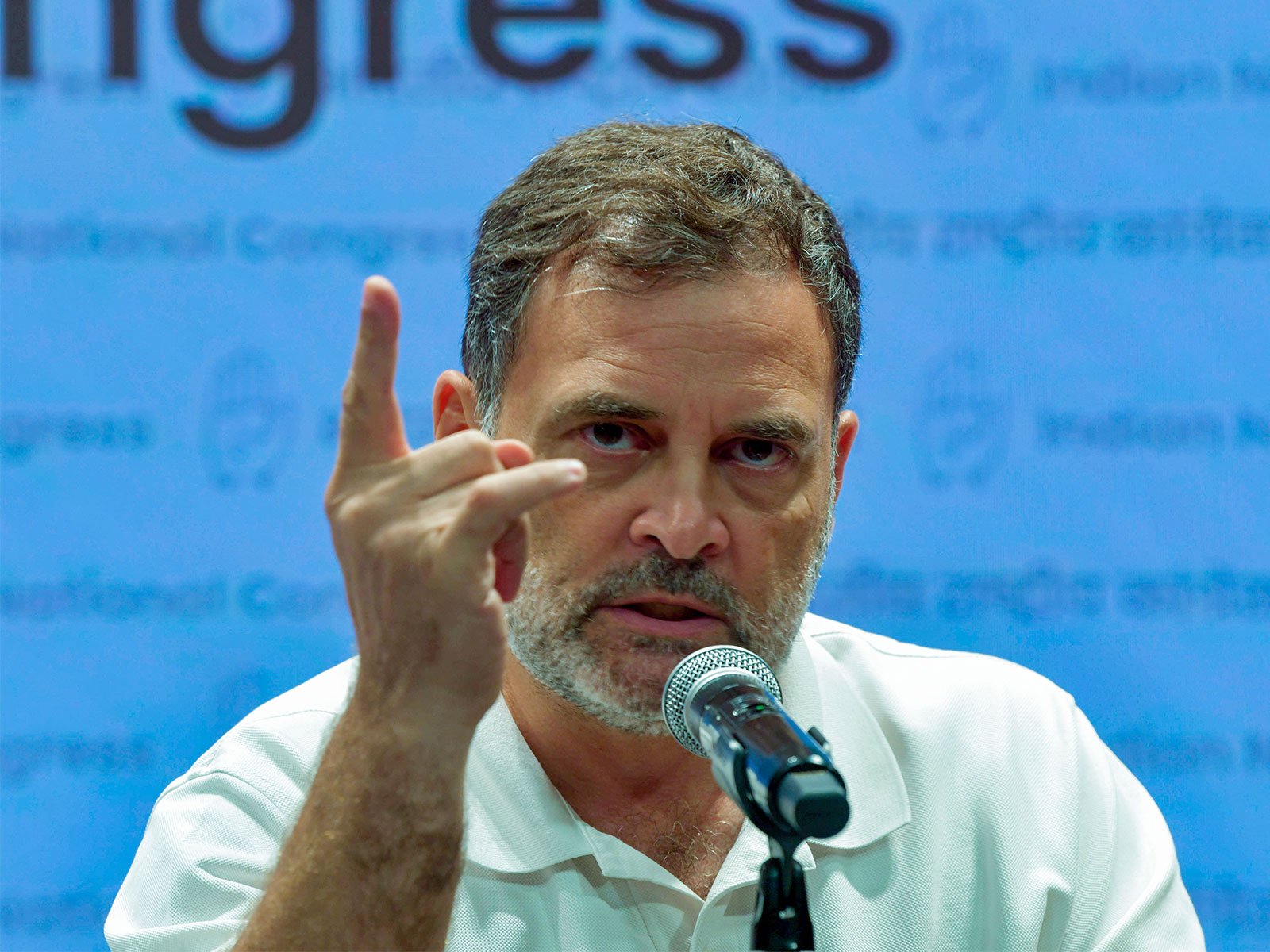
The Supreme Court on Friday quashed the Rahul Gandhi Savarkar defamation case, providing major legal relief to Congress leader and Leader of Opposition Rahul Gandhi. The case was related to alleged remarks made by Gandhi about freedom fighter Vinayak Damodar Savarkar during the 2022 Bharat Jodo Yatra.
A bench comprising Justices Dipankar Datta and Sheel Nagu quashed the criminal complaint as well as the summons issued by the Lucknow Magistrate Court. The Supreme Court took note of the Uttar Pradesh government’s affidavit, which did not disclose the required sanction for the prosecution.
The Rahul Gandhi Savarkar defamation case had travelled through the Lucknow Magistrate Court, Allahabad High Court and finally the Supreme Court. The latest ruling brings the proceedings in this particular matter to an end.
Supreme Court Quashes Rahul Gandhi Savarkar Defamation Case
The Supreme Court’s decision in the Rahul Gandhi Savarkar defamation case came after the bench considered the legal requirement of sanction in the proceedings.
During the hearing, the Additional Solicitor General and counsel appearing for the complainant referred to the affidavit submitted by the Uttar Pradesh government. According to the submissions recorded by the court, the affidavit did not disclose that the necessary sanction had been granted.
Taking note of this issue, the Supreme Court held that the complaint and the orders passed by the Magistrate could not stand.
The Rahul Gandhi Savarkar defamation case therefore ended at the Supreme Court stage with the complaint and summons being quashed.
What Was the Rahul Gandhi Savarkar Case About?
The Rahul Gandhi Savarkar defamation case originated from remarks allegedly made by Rahul Gandhi during a press conference in 2022 while the Bharat Jodo Yatra was underway.
According to the complaint, Gandhi had referred to Savarkar as a “servant of the British” and alleged that he received a pension from the British. The remarks triggered political controversy and eventually resulted in a criminal complaint being filed against the Congress leader.
Advocate Nripendra Pandey filed the complaint, alleging that Gandhi’s statements were intended to spread hatred in society.
The Rahul Gandhi Savarkar defamation case subsequently became a subject of legal and political debate, with Gandhi challenging the criminal proceedings initiated against him.
Lucknow Magistrate Summoned Rahul Gandhi
The legal proceedings in the Rahul Gandhi Savarkar defamation case moved forward when the Lucknow Magistrate court summoned Rahul Gandhi as an accused.
The Magistrate issued the summons on December 12, 2024. Following the order, Gandhi challenged the summons before the Allahabad High Court and sought to have the criminal proceedings quashed.
The case then became part of a larger legal battle concerning whether the Magistrate had sufficient grounds to issue the summons and whether the prosecution could legally proceed.
The Rahul Gandhi Savarkar defamation case gained further attention because of the political significance surrounding the statements about Savarkar.
Allahabad High Court Refused to Quash Summons
The Allahabad High Court considered Gandhi’s challenge to the summons in the Rahul Gandhi Savarkar defamation case.
On April 4, 2025, the High Court declined to quash the summons issued by the Lucknow Magistrate. The court observed that Gandhi could approach the Sessions Judge under Section 397 of the Code of Criminal Procedure for revision of the lower court proceedings.
Gandhi subsequently moved the Supreme Court, challenging the High Court’s order.
The Rahul Gandhi Savarkar defamation case thus moved to the country’s highest court, where the legality of the proceedings was examined from a different perspective.
Supreme Court Stayed Proceedings in April 2025
Before delivering its latest decision, the Supreme Court had already intervened in the Rahul Gandhi Savarkar defamation case.
On April 25, 2025, the apex court stayed the trial court proceedings arising from the summons. At that stage, the Supreme Court also cautioned Rahul Gandhi about making derogatory or controversial remarks concerning freedom fighters.
The court warned that Gandhi could face consequences if similar remarks were repeated.
The interim protection meant that proceedings in the Rahul Gandhi Savarkar defamation case could not continue while the matter remained pending before the Supreme Court.
The case continued to remain under judicial consideration before the apex court.
Uttar Pradesh Government Opposed Gandhi’s Plea
The Uttar Pradesh government had opposed Gandhi’s plea in the Rahul Gandhi Savarkar defamation case.
In its affidavit before the Supreme Court, the state government argued that the Magistrate had passed the summoning order after examining the case file, statements and investigation report.
According to the state’s position, the material available in the case supported the allegations made against Gandhi. The government also defended the Allahabad High Court’s decision not to quash the summons.
The state alleged that Gandhi’s remarks represented a deliberate attempt to spread hatred through pre-planned actions.
However, the Supreme Court’s latest consideration of the Rahul Gandhi Savarkar defamation case focused on the absence of the required sanction disclosed in the government’s affidavit.
Why Was the Complaint Quashed?
The central issue in the latest stage of the Rahul Gandhi Savarkar defamation case was the requisite sanction.
The Supreme Court noted that the affidavit submitted by the Uttar Pradesh government did not disclose the required sanction. The Additional Solicitor General and the complainant’s counsel also acknowledged the absence of such disclosure.
After considering the submissions, the bench concluded that the complaint and orders passed by the Magistrate should be quashed.
The Rahul Gandhi Savarkar defamation case was therefore disposed of on this legal and procedural ground.
The judgment does not settle the wider historical debate surrounding Savarkar or determine the truth of the political claims made during the 2022 controversy. Instead, the Supreme Court’s order concerns the maintainability of this particular criminal proceeding.
Political Debate Surrounding Savarkar Remarks
The Rahul Gandhi Savarkar defamation case attracted considerable political attention because Vinayak Damodar Savarkar remains a highly debated historical and political figure in India.
Rahul Gandhi has previously criticised Savarkar’s role and legacy, while supporters of Savarkar have strongly opposed such statements. The controversy has frequently become part of wider political arguments involving the Congress and its opponents.
The Rahul Gandhi Savarkar defamation case was therefore not only a legal matter but also part of a larger political debate concerning India’s freedom movement, nationalism and the legacy of historical figures.
Despite the Supreme Court’s ruling, the political discussion surrounding Gandhi’s remarks and Savarkar’s legacy is likely to continue.
What Does the Supreme Court Verdict Mean?
The Supreme Court’s decision provides significant relief to Rahul Gandhi in the Rahul Gandhi Savarkar defamation case.
With the complaint and Magistrate’s orders quashed, the proceedings arising from this particular Lucknow complaint cannot continue in their previous form.
The ruling also highlights the importance of following mandatory legal procedures while initiating criminal proceedings. Even in cases involving political personalities and controversial statements, statutory requirements must be satisfied before a prosecution can proceed.
The Rahul Gandhi Savarkar defamation case demonstrates how a procedural legal issue can ultimately determine the outcome of a criminal complaint.
Key Timeline of the Case
The Rahul Gandhi Savarkar defamation case went through several important stages:
- 2022: Rahul Gandhi allegedly made the remarks about Savarkar during the Bharat Jodo Yatra.
- December 12, 2024: Lucknow Magistrate summoned Gandhi as an accused.
- April 4, 2025: Allahabad High Court declined to quash the summons.
- April 25, 2025: Supreme Court stayed proceedings arising from the summons.
- August 14, 2026: Supreme Court quashed the complaint and Magistrate’s orders.
This timeline shows how the Rahul Gandhi Savarkar defamation case progressed from a complaint at the Magistrate level to the Supreme Court.
Rahul Gandhi Gets Major Relief
The latest Supreme Court ruling marks a significant development in the Rahul Gandhi Savarkar defamation case. The complaint was quashed after the court took note of the absence of disclosure regarding the required sanction.
For Rahul Gandhi, the order provides relief from the criminal proceedings initiated over his alleged remarks about Savarkar.
At the same time, the ruling is specific to the legal proceedings before the Lucknow court. It does not resolve the broader political or historical arguments surrounding Savarkar, Gandhi or the statements made during the Bharat Jodo Yatra.
The Rahul Gandhi Savarkar defamation case has now reached a decisive legal conclusion with the Supreme Court quashing the complaint and summons.
Key Takeaways
- The Supreme Court quashed the criminal complaint and summons against Rahul Gandhi.
- The case concerned his alleged remarks about Vinayak Damodar Savarkar during the 2022 Bharat Jodo Yatra.
- The court noted that the Uttar Pradesh government’s affidavit did not disclose the required sanction.
- The Lucknow Magistrate had summoned Gandhi in December 2024.
- The Allahabad High Court declined to quash the summons in April 2025.
- The Supreme Court later stayed the proceedings and ultimately quashed the complaint.
- The latest order provides legal relief to Gandhi in this specific Lucknow case.
The Supreme Court’s decision marks a significant development in the Rahul Gandhi Savarkar defamation case, while the broader political debate surrounding Savarkar and Gandhi’s remarks is likely to continue beyond the courtroom.
About The Author