
 admin
admin 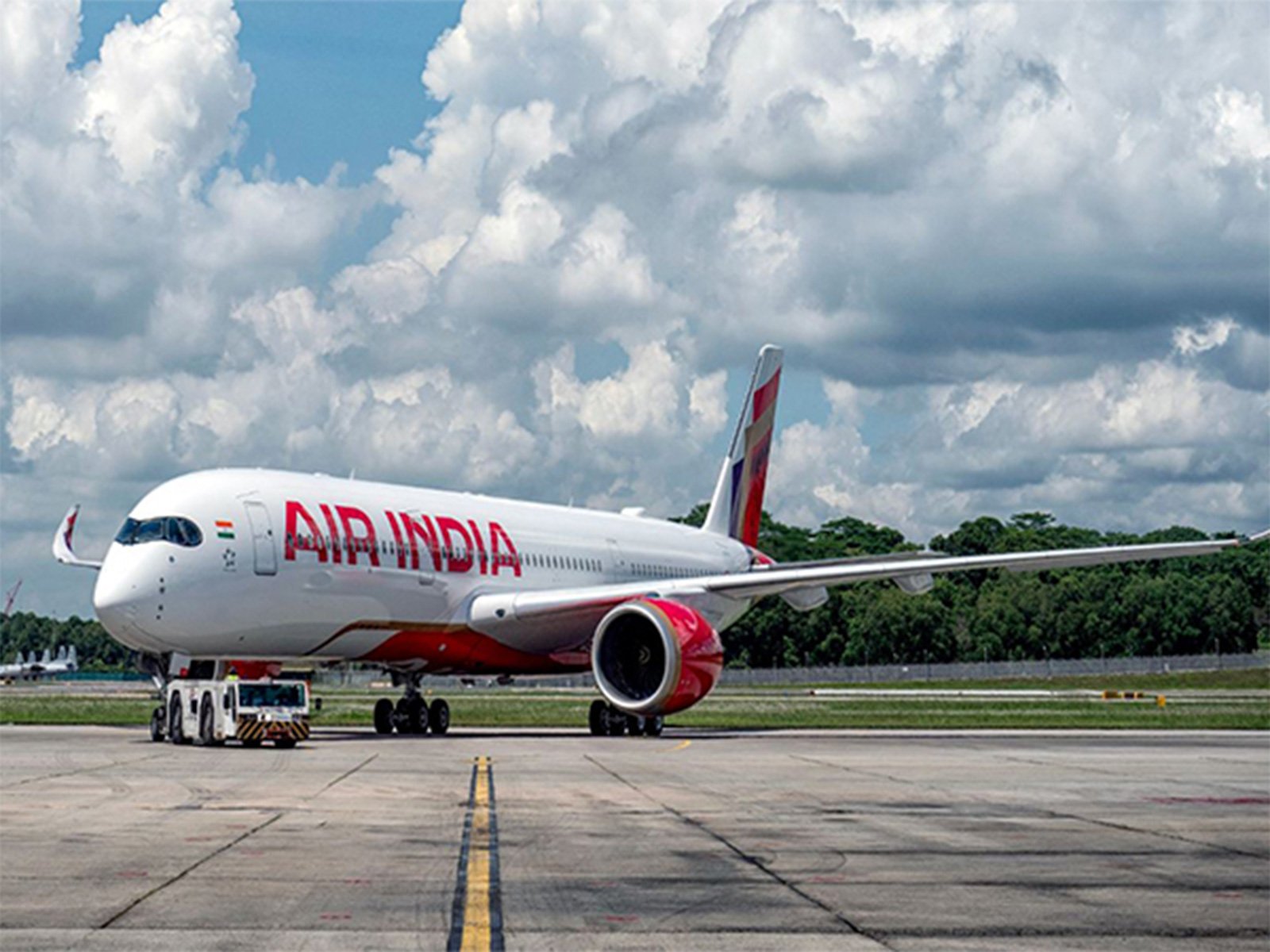
New Delhi, June 24: The Air India Pakistan airspace incident has sparked a detailed investigation after flight AI479, operating from Delhi to Amritsar, briefly entered Pakistan airspace while performing a go-around during its approach to Amritsar Airport. The Directorate General of Civil Aviation (DGCA) has confirmed that interim disciplinary action has been taken against both the Air Traffic Controller (ATC) and the operating crew for failing to report the event immediately.
The Air India Pakistan airspace incident occurred on June 22 when the Airbus A321 aircraft (registration VT-PPV) was approaching Amritsar Airport. According to aviation authorities, the aircraft was instructed to enter a holding pattern because the runway was under inspection following a bird strike involving another aircraft. During radar vectoring and the subsequent go-around procedure, the aircraft marginally crossed into Pakistan airspace before returning safely.
Air India stated that passenger and crew safety remained uncompromised throughout the event and emphasized that the Air India Pakistan airspace incident has been reported to the relevant aviation authorities. The airline has also launched an internal investigation to determine the sequence of events that led to the brief airspace infringement.
DGCA Confirms Airspace Violation
The DGCA issued an official statement detailing the Air India Pakistan airspace incident. According to the regulator, flight AI479 was instructed to hold during its approach due to runway inspections after a bird strike incident at Amritsar Airport. As the aircraft resumed its approach under radar guidance, it briefly crossed into Pakistan airspace.
The regulator clarified that the incident was immediately coordinated with Pakistan Air Traffic Control (ATC) authorities to ensure there was no misunderstanding or operational risk. Following the incident, the aircraft was diverted back to Delhi instead of continuing its landing at Amritsar. It landed safely without any issues.
The DGCA also revealed that interim action has already been taken against the concerned Air Traffic Controller and the operating flight crew because they failed to report the Air India Pakistan airspace incident in accordance with mandatory reporting procedures.
Air India Responds to the Incident
In its official statement, Air India reiterated that the Air India Pakistan airspace incident occurred while the aircraft was executing a standard aviation maneuver known as a go-around. Such maneuvers are performed when landing conditions become unsuitable or unsafe.
The airline emphasized that the aircraft remained under operational control throughout the event and that there was never any danger to passengers or crew members. Air India also confirmed that it is fully cooperating with the DGCA’s investigation while conducting its own internal review.
According to the airline, safety continues to be its highest priority, and all findings from the investigation will be carefully examined to prevent similar incidents in the future.
Why the Aircraft Entered Pakistan Airspace
Aviation experts explain that the Air India Pakistan airspace incident occurred during radar vectoring after the aircraft was instructed to abandon its landing approach. Go-around procedures require pilots to quickly climb, follow ATC instructions, and reposition the aircraft for another landing attempt or diversion.
Because Amritsar Airport lies close to the India-Pakistan international border, even a slight deviation from the assigned flight path can result in an aircraft momentarily entering Pakistan-controlled airspace.
Officials stressed that the aircraft’s brief entry into Pakistan airspace was immediately communicated to Pakistani aviation authorities, ensuring smooth coordination between both countries’ air traffic control systems.
Investigation Focuses on Reporting Failure
While the temporary airspace infringement is being investigated, aviation authorities are also examining why the Air India Pakistan airspace incident was not promptly reported by those directly involved.
The DGCA has specific reporting protocols for unusual flight events, including deviations from planned routes, airspace violations, and operational incidents. Failure to report such events can delay safety assessments and regulatory oversight.
The aviation regulator is expected to analyze cockpit voice recordings, flight data recorder information, ATC communication logs, and radar tracking data before submitting its final report.
Bird Strike Triggered Operational Changes
The sequence leading to the Air India Pakistan airspace incident began when another aircraft reportedly experienced a bird strike near Amritsar Airport. Runway inspections following bird strikes are standard aviation safety procedures designed to identify debris or hazards before additional aircraft are allowed to land.
As a result, Air India flight AI479 was instructed to hold and later execute a go-around while awaiting clearance. During this maneuver, the aircraft briefly crossed into Pakistan airspace before safely returning.
Experts note that airports located near international borders require particularly precise navigation during such situations due to the limited distance available for maneuvering aircraft.
Another Bird Strike Reported in Raipur
The Air India Pakistan airspace incident comes just days after another operational event involving the airline. An Air India flight operating from Delhi to Raipur suffered a bird strike during landing at Raipur Airport.
Airport officials confirmed that the flight crew immediately followed all mandatory Standard Operating Procedures (SOPs). After a comprehensive technical inspection, engineers declared the aircraft safe for further operations.
The aircraft subsequently departed for its onward destination without any injuries to passengers or crew.
Although unrelated, both incidents have once again highlighted the importance of strict aviation safety protocols, rapid communication, and regulatory oversight.
Aviation Safety Remains the Priority
The Air India Pakistan airspace incident has drawn attention because it involved temporary entry into foreign airspace, but aviation authorities have emphasized that there was no immediate threat to passenger safety.
Industry experts believe the investigation will primarily focus on operational decision-making, ATC coordination, and compliance with mandatory reporting requirements rather than any deliberate violation.
Both Air India and the DGCA have assured that all necessary corrective measures will be implemented after the investigation concludes.
The findings may also contribute to updated operational procedures for airports located close to international borders, where precision during holding patterns and go-around maneuvers is especially critical.
As investigations continue, aviation authorities are expected to release a detailed report explaining the exact circumstances surrounding the Air India Pakistan airspace incident, along with recommendations aimed at strengthening India’s aviation safety framework.
About The Author