

 admin
admin 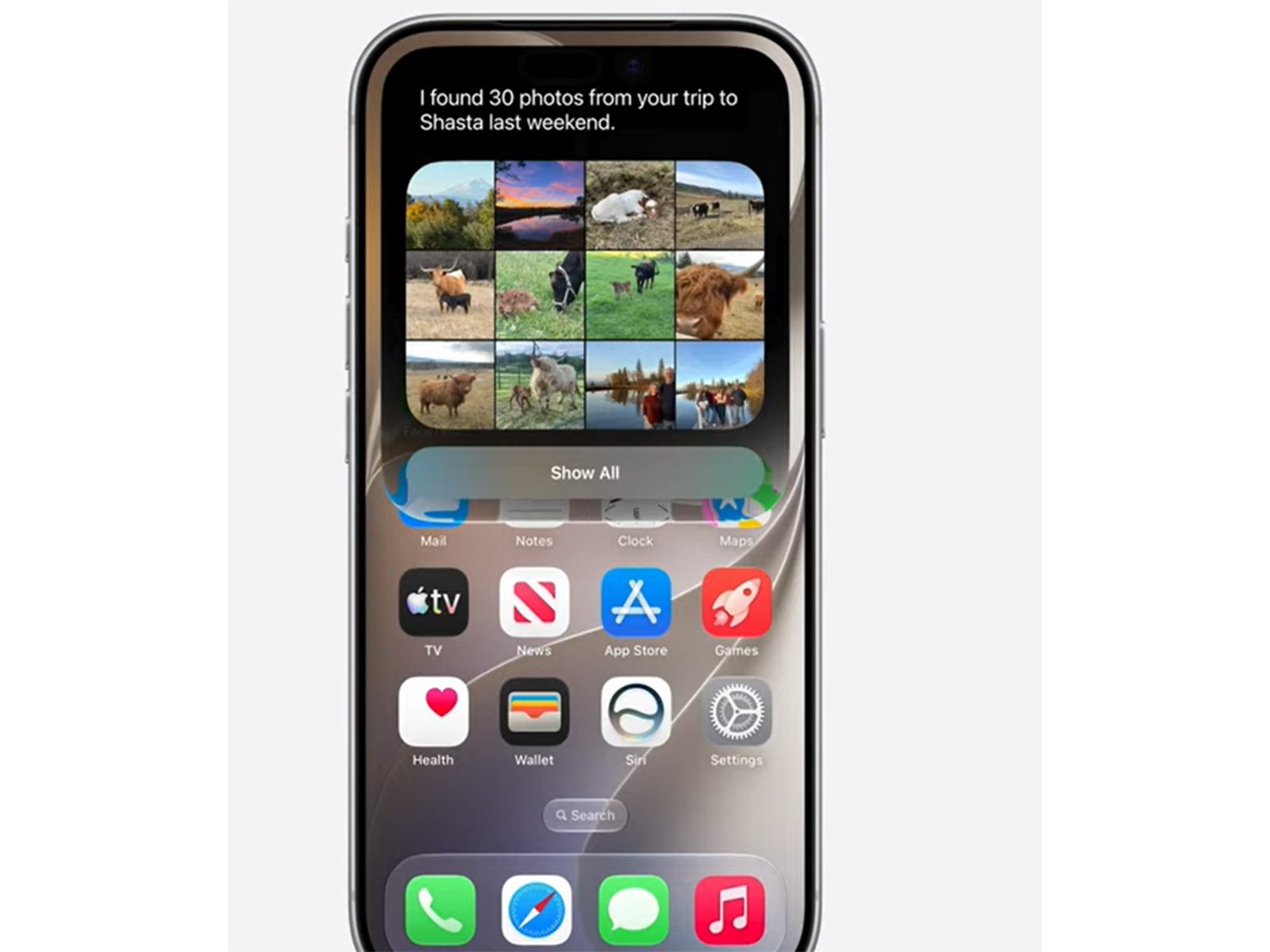
Apple unveiled iOS 27 at WWDC 2026, introducing faster performance, enhanced Liquid Glass customization, improved Siri capabilities, and expanded Apple Intelligence features for iPhone users.
Apple has officially unveiled iOS 27 during its Worldwide Developers Conference (WWDC) 2026, introducing significant performance enhancements, design refinements, and new artificial intelligence capabilities. The announcement marks one of the most anticipated software launches of the year, as millions of iPhone users prepare for the next generation of Apple’s mobile operating system.
The tech giant revealed that iOS 27 will be available for all iPhone models starting from the iPhone 11 series, making it one of the most widely supported software updates in the company’s history. Apple stated that the update will reach more users than any previous iOS release, highlighting its commitment to extending device longevity and improving user experiences across its ecosystem.
iOS 27 Focuses on Performance and Design Improvements
One of the primary goals of iOS 27 is to deliver a faster and smoother experience for iPhone users. During the WWDC 2026 keynote, Apple emphasized that the update includes extensive performance optimizations designed to improve everyday interactions.
According to Apple, iOS 27 will feature smoother system animations, faster app launches, and quicker navigation throughout the operating system. These improvements are intended to make devices feel more responsive while enhancing overall usability.
The company has also upgraded its search infrastructure. With iOS 27, newly created content will be indexed almost instantly, allowing users to find messages, files, photos, and other information more quickly than before. This enhancement is expected to significantly improve productivity for both personal and professional users.
Liquid Glass Gets a Major Upgrade in iOS 27
A key highlight of iOS 27 is the evolution of Apple’s Liquid Glass design language. Originally introduced with iOS 26, Liquid Glass brought translucent visual effects, glass-inspired interface elements, and dynamic animations to the iPhone experience.
While the design received praise for its modern appearance, some users reported readability concerns due to the transparency effects. Apple has addressed those concerns in iOS 27 by introducing a new opacity slider that allows users to customize the intensity of Liquid Glass effects throughout the system.
This feature gives users greater control over the appearance of interface elements such as tab bars, menus, and navigation panels. By adjusting transparency levels, users can create a visual experience that balances aesthetics with readability.
The refined Liquid Glass implementation in iOS 27 demonstrates Apple’s responsiveness to user feedback and its commitment to continuously improving software design.
Faster App Loading and Improved System Efficiency
Apple has made performance optimization a central focus of iOS 27. The company claims that applications will load faster than before, helping users access content and complete tasks with minimal delays.
Behind the scenes, iOS 27 introduces improvements to memory management, resource allocation, and background processing. These upgrades are expected to benefit both older and newer devices, ensuring a more consistent experience across supported iPhone models.
For users who frequently switch between multiple apps, the enhanced efficiency of iOS 27 could lead to smoother multitasking and reduced waiting times. These changes reinforce Apple’s emphasis on delivering practical improvements alongside visual enhancements.
Apple Intelligence Expands with iOS 27
Artificial intelligence remains a major strategic focus for Apple, and iOS 27 introduces the next phase of Apple Intelligence. The company used WWDC 2026 to provide additional details about its AI roadmap and how intelligent features will be integrated into everyday workflows.
Apple Intelligence was first introduced at WWDC 2024 as a collection of AI-powered tools designed to improve communication, productivity, and personalization. With iOS 27, Apple is building on that foundation by introducing more advanced capabilities and deeper system-wide integration.
The company believes that Apple Intelligence will become a core component of the iPhone experience, helping users perform tasks more efficiently while maintaining Apple’s strong privacy standards.
Siri Receives Long-Awaited Enhancements
One of the most anticipated aspects of iOS 27 is the continued evolution of Siri. Apple originally announced a revamped AI-powered Siri at WWDC 2024, promising a more natural and context-aware digital assistant.
However, in March 2025, Apple acknowledged that development of the upgraded Siri was taking longer than expected. The company delayed several planned features in order to refine the experience and ensure reliability.
With iOS 27, Apple is once again focusing on delivering a smarter Siri capable of understanding context, handling complex requests, and providing more personalized assistance. While Apple has not revealed every detail about the assistant’s new capabilities, the company confirmed that significant improvements are coming as part of the broader Apple Intelligence initiative.
These enhancements could make Siri a more competitive alternative to other AI-powered assistants currently available in the market.
Device Compatibility: iPhone 11 and Beyond
One of the biggest announcements related to iOS 27 is its extensive device compatibility. Apple confirmed that all iPhone models starting from the iPhone 11 series will support the update.
This includes several generations of devices, allowing millions of users to benefit from the latest software features without needing to upgrade their hardware. Apple’s long-term software support strategy continues to set a high standard within the smartphone industry.
The broad availability of iOS 27 ensures that users can access performance enhancements, design updates, and Apple Intelligence features regardless of whether they own a recent flagship device or an older compatible model.
What iOS 27 Means for iPhone Users
The introduction of iOS 27 reflects Apple’s ongoing effort to combine powerful technology with user-friendly experiences. By focusing on performance improvements, customization options, and intelligent features, the company aims to make the iPhone even more capable and efficient.
Users can expect faster navigation, smoother animations, better search functionality, and a more refined visual design. At the same time, Apple Intelligence and Siri upgrades are expected to unlock new ways of interacting with devices through AI-powered assistance.
As software increasingly becomes a defining factor in smartphone experiences, iOS 27 represents an important step in Apple’s long-term vision for mobile computing.
Conclusion
Apple’s announcement of iOS 27 at WWDC 2026 highlights the company’s commitment to innovation, performance, and artificial intelligence. With support for iPhone 11 and newer devices, the update is set to reach one of the largest user bases in Apple’s history.
From enhanced Liquid Glass customization and faster app performance to expanded Apple Intelligence capabilities and a smarter Siri, iOS 27 delivers meaningful upgrades across the board. As the public release approaches, iPhone users can look forward to a more responsive, personalized, and intelligent mobile experience.
With its blend of performance improvements, visual refinements, and AI-driven functionality, iOS 27 is shaping up to be one of Apple’s most significant software releases in recent years.
About The Author