
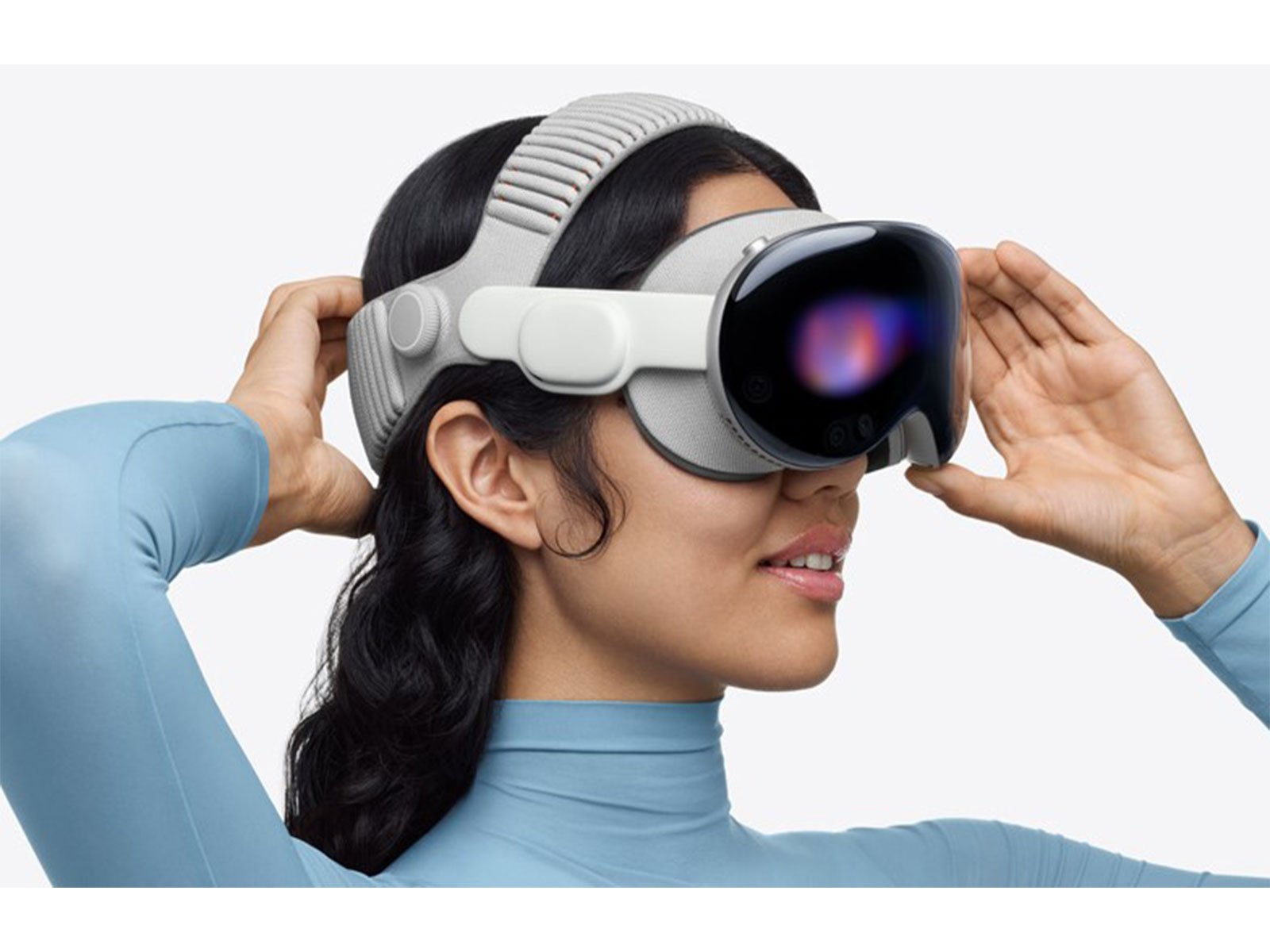
Washington [US], June 1: Apple is reportedly continuing development of the highly anticipated Apple Vision Pro successor, but consumers may have to wait several more years before the device reaches the market. According to recent reports cited by MacRumors, the tech giant is working on a more affordable and lighter version of its mixed-reality headset, though the Apple Vision Pro successor is now unlikely to launch before late 2028 or even 2029.
The delay highlights Apple’s commitment to refining its wearable computing strategy while addressing some of the biggest criticisms of the original Vision Pro headset. Since its debut, the Vision Pro has impressed users with cutting-edge technology and immersive experiences, but its high price and relatively heavy design have limited widespread adoption.
Why the Apple Vision Pro Successor Is Taking Longer
One of the primary reasons for the delay is Apple’s effort to significantly improve the design of the Apple Vision Pro successor. The current Vision Pro headset weighs considerably more than conventional wearable devices and carries a premium price tag of USD 3,499.
Industry reports suggest Apple believes that the Apple Vision Pro successor must become substantially lighter and more comfortable before it can appeal to a broader audience. Engineers are reportedly exploring new materials, advanced display technologies, and more efficient hardware components to reduce the overall weight of the headset.
At the same time, Apple is looking for ways to lower manufacturing costs. A more affordable Apple Vision Pro successor could help the company compete with other mixed-reality and virtual reality devices that are available at much lower price points.
Apple Wants a More Accessible Vision Headset
The original Vision Pro was positioned as a premium product aimed at early adopters, developers, and technology enthusiasts. While the device received praise for its innovative features, many consumers viewed the price as a major barrier.
Reports indicate that Apple wants the Apple Vision Pro successor to be more accessible to mainstream users. Achieving that goal will require balancing performance, design, and affordability without compromising the high-quality experience that Apple products are known for.
Reducing the cost of components, simplifying production processes, and improving hardware efficiency are all expected to play key roles in the development of the Apple Vision Pro successor.
Vision Air Project Reportedly Cancelled
The delayed Apple Vision Pro successor is reportedly different from the long-rumored “Vision Air” project. Earlier reports suggested Apple was working on a lighter headset under the Vision Air branding, but that initiative was allegedly cancelled last year.
Instead of launching a separate low-cost headset, Apple appears to be concentrating its efforts on creating a single Apple Vision Pro successor that combines improved comfort, advanced technology, and a more reasonable price.
This strategic shift suggests the company wants to avoid fragmenting its product lineup and instead focus on delivering a refined next-generation mixed-reality experience.
Apple’s Attention Turns to Smart Glasses
While development of the Apple Vision Pro successor continues behind the scenes, Apple’s immediate focus appears to have shifted toward smart glasses.
According to reports, several members of Apple’s Vision Products Group have been reassigned to work on smart glasses technology. The company reportedly views smart glasses as a more practical and widely adopted form factor for wearable computing.
Unlike bulky mixed-reality headsets, smart glasses are designed for everyday use and could provide users with quick access to information, notifications, navigation, and AI-powered features.
Industry analysts believe Apple’s first smart glasses could arrive as early as late 2027, potentially before the Apple Vision Pro successor enters the market.
Growing Competition in Mixed Reality
The delay of the Apple Vision Pro successor comes at a time when competition in the mixed-reality industry is increasing rapidly. Several technology companies are investing heavily in augmented reality, virtual reality, and wearable computing platforms.
Consumers are increasingly looking for devices that combine immersive experiences with comfort, affordability, and practical daily use. This market trend is likely influencing Apple’s decision to take additional time refining the Apple Vision Pro successor rather than rushing a new model to market.
By waiting until the technology matures and production costs decrease, Apple may be positioning itself for stronger long-term success in the wearable technology sector.
Vision Pro Received an M5 Upgrade
Apple’s most recent update to the Vision Pro lineup arrived in October 2025 when the company introduced a refreshed version powered by its M5 chip. The hardware upgrade delivered improved performance and efficiency while maintaining the premium positioning of the headset.
However, the updated model did not address some of the larger concerns surrounding weight and affordability. These challenges remain central to the development goals of the Apple Vision Pro successor.
Apple is expected to continue refining both hardware and software experiences before introducing the next major generation of the device.
What Users Can Expect From the Apple Vision Pro Successor
Although Apple has not officially revealed specifications, industry observers expect the Apple Vision Pro successor to feature a slimmer profile, improved battery efficiency, enhanced comfort, and a significantly lower price compared to the original model.
The headset could also incorporate advancements in display technology, eye tracking, hand tracking, and artificial intelligence integration. Such improvements would help create a more immersive and user-friendly experience.
If Apple’s development efforts are successful, the Apple Vision Pro successor could become a major step toward bringing mixed-reality technology into mainstream consumer markets.
Apple’s Long-Term Vision
The reported delay does not indicate that Apple is abandoning its mixed-reality ambitions. Instead, it suggests the company is taking a measured approach to ensure its next-generation headset meets consumer expectations.
Apple’s broader wearable computing strategy appears to include both smart glasses and the Apple Vision Pro successor, with each product serving different use cases. Smart glasses may become an everyday companion device, while advanced mixed-reality headsets could deliver immersive entertainment, productivity, and communication experiences.
As technology evolves, the Apple Vision Pro successor is expected to play a crucial role in Apple’s vision for the future of spatial computing.
Conclusion
The Apple Vision Pro successor may still be several years away, but Apple’s continued investment in the category demonstrates its belief in the future of wearable computing. By focusing on reducing weight, lowering costs, and improving usability, Apple hopes to create a device that can reach a much larger audience than the original Vision Pro.
With smart glasses reportedly arriving first and the Apple Vision Pro successor targeted for late 2028 or 2029, Apple’s roadmap suggests an ambitious future for augmented and mixed reality technologies. Until then, consumers and industry watchers will be closely monitoring developments as Apple works to redefine the next generation of wearable computing.
Leave a Reply