
Digital India 11 Years: CM Dhami Says BharatNet Connected Over 2 Lakh Gram Panchayats, Uttarakhand Sees Digital Revolution
 admin
admin 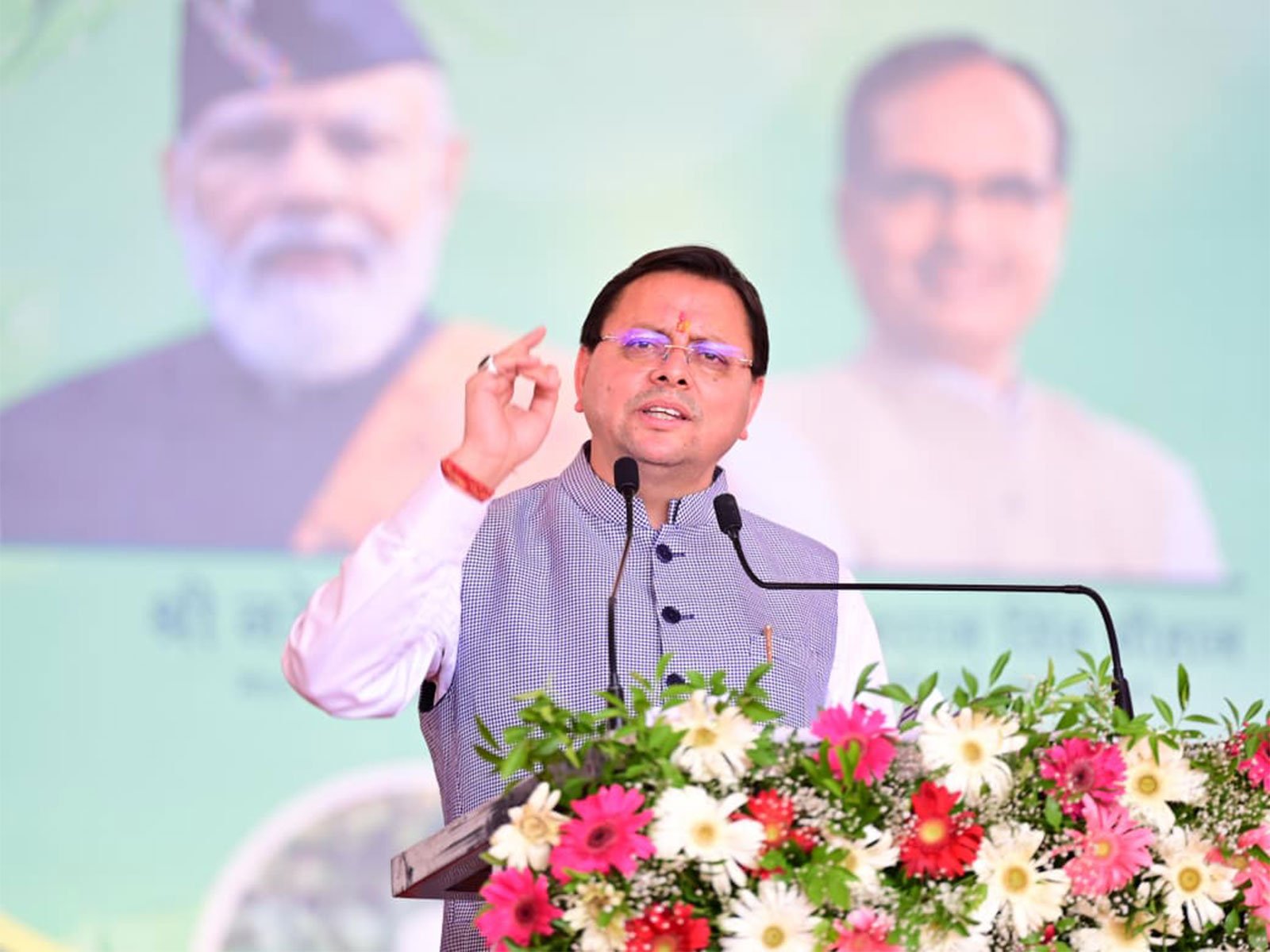
Digital India 11 years transforms governance and connectivity
Dehradun, July 1: The Digital India 11 years milestone marks a defining chapter in India’s digital transformation journey, with Uttarakhand Chief Minister Pushkar Singh Dhami praising the initiative for revolutionising governance, connectivity, and public service delivery across the country. Speaking on the completion of Digital India 11 years, the Chief Minister said the programme has turned India into a global leader in digital innovation while ensuring that technology reaches every citizen, including those living in remote Himalayan regions.
Launched on July 1, 2015, under the leadership of Prime Minister Narendra Modi, the Digital India mission has completed Digital India 11 years of empowering citizens through digital infrastructure, online governance, financial inclusion, and technological innovation. Dhami stated that the initiative has significantly improved the quality of life by making government services faster, more transparent, and easily accessible.
BharatNet reaches more than 2 lakh Gram Panchayats
Highlighting one of the biggest achievements during Digital India 11 years, CM Dhami said the BharatNet project has successfully extended broadband connectivity to nearly 2.2 lakh Gram Panchayats across the country. This expansion has bridged the digital divide between urban and rural India by enabling internet access in villages that were once disconnected from digital services.
The Chief Minister noted that India now has more than 1.03 billion internet connections, demonstrating the remarkable growth in digital connectivity over the past decade. These achievements under Digital India 11 years have laid the foundation for inclusive development and better governance.
Uttarakhand benefits from Digital India 11 years
According to Dhami, the impact of Digital India 11 years has been particularly visible in Uttarakhand. Digital services have reached remote mountain villages where physical infrastructure remains challenging.
He said Unified Payments Interface (UPI) has transformed financial transactions in villages, pilgrimage centres, and tourist destinations throughout the state. Shopkeepers, local businesses, and residents increasingly rely on digital payments, reducing dependence on cash while improving convenience.
The Chief Minister also highlighted the success of Direct Benefit Transfer (DBT), which ensures welfare benefits are transferred directly into beneficiaries’ bank accounts without intermediaries. This has improved transparency and reduced leakages in government schemes.
India emerges as a global digital leader
The completion of Digital India 11 years reflects India’s emergence as one of the world’s largest digital ecosystems. According to official figures, India now leads the world in real-time digital payments, with UPI accounting for nearly 49 per cent of global transaction volume.
Experts believe the digital economy currently contributes between 12 and 14 per cent of India’s Gross Domestic Product (GDP) and is expected to contribute around one-fifth of the economy during the next decade.
The rapid growth witnessed during Digital India 11 years has accelerated startup development, digital entrepreneurship, fintech innovation, cloud computing adoption, cybersecurity improvements, and Artificial Intelligence research across multiple sectors.
PM Narendra Modi marks Digital India 11 years
Prime Minister Narendra Modi also celebrated the completion of Digital India 11 years, describing the initiative as a transformative movement that has changed everyday life for over a billion Indians.
In a message shared on social media, the Prime Minister said that when more than one billion people embrace technology, the impact becomes transformational. He added that the success of Digital India 11 years has given India a new global identity by encouraging innovation, digital empowerment, and technological excellence.
The Prime Minister further stated that Digital India has become the foundation of a developed, self-reliant, and empowered India. He emphasised that expanding optical fibre networks, strengthening digital transactions, and improving digital governance have attracted global attention towards India’s technological achievements.
Nine pillars driving Digital India
The success of Digital India 11 years is based on nine key pillars designed to improve digital infrastructure and governance across the country. These include:
- Broadband Highways
- Universal Access to Mobile Connectivity
- Public Internet Access Programme
- e-Governance
- Electronic Delivery of Services
- Information for All
- Electronics Manufacturing
- IT for Jobs
- Early Harvest Programmes
Together, these initiatives have modernised government services while promoting digital literacy and economic growth.
India Stack gains global recognition
One of the biggest outcomes of Digital India 11 years has been the global recognition of India’s Digital Public Infrastructure (DPI). Platforms such as Aadhaar, DigiLocker, CoWIN, GeM, DIKSHA, UMANG, and eSanjeevani are now being studied and adopted by several countries.
As of February 2026, India has signed Memorandums of Understanding (MoUs) with 24 countries to cooperate on India Stack and Digital Public Infrastructure systems. These partnerships cover digital identity, payment systems, secure data exchange, and public service delivery.
Additionally, UPI is now operational in more than eight countries, including the United Arab Emirates, Singapore, France, Mauritius, and Sri Lanka, strengthening India’s position in global fintech.
Digital India powers inclusive growth
Officials believe Digital India 11 years has helped millions of citizens access government services without geographical barriers. Online education, digital healthcare, financial services, e-governance, and digital documentation have become easier through nationwide digital platforms.
The initiative has particularly benefited rural communities by improving internet connectivity, encouraging digital entrepreneurship, promoting online learning, and increasing access to banking services.
With increasing investments in Artificial Intelligence, cybersecurity, cloud infrastructure, and digital governance, India aims to build a technology-driven economy capable of supporting future generations.
Road ahead for Digital India
As Digital India 11 years enters its next phase, the government’s focus remains on expanding digital infrastructure, strengthening cybersecurity, increasing AI adoption, improving digital literacy, and ensuring inclusive access to technology.
India’s Digital Public Infrastructure is expected to play a crucial role in achieving the vision of Viksit Bharat 2047, enabling efficient governance, economic growth, innovation, and citizen empowerment.
Chief Minister Pushkar Singh Dhami expressed confidence that continued investments in digital infrastructure and connectivity will further transform Uttarakhand while contributing to India’s ambition of becoming a global digital powerhouse.
The achievements recorded during Digital India 11 years demonstrate how technology has evolved from being a convenience into an essential pillar of governance, economic development, and social inclusion. With BharatNet expanding connectivity, UPI driving digital payments, and India Stack gaining worldwide recognition, the Digital India mission continues to reshape the nation’s future while positioning India as a leader in digital innovation.
About The Author