
 admin
admin 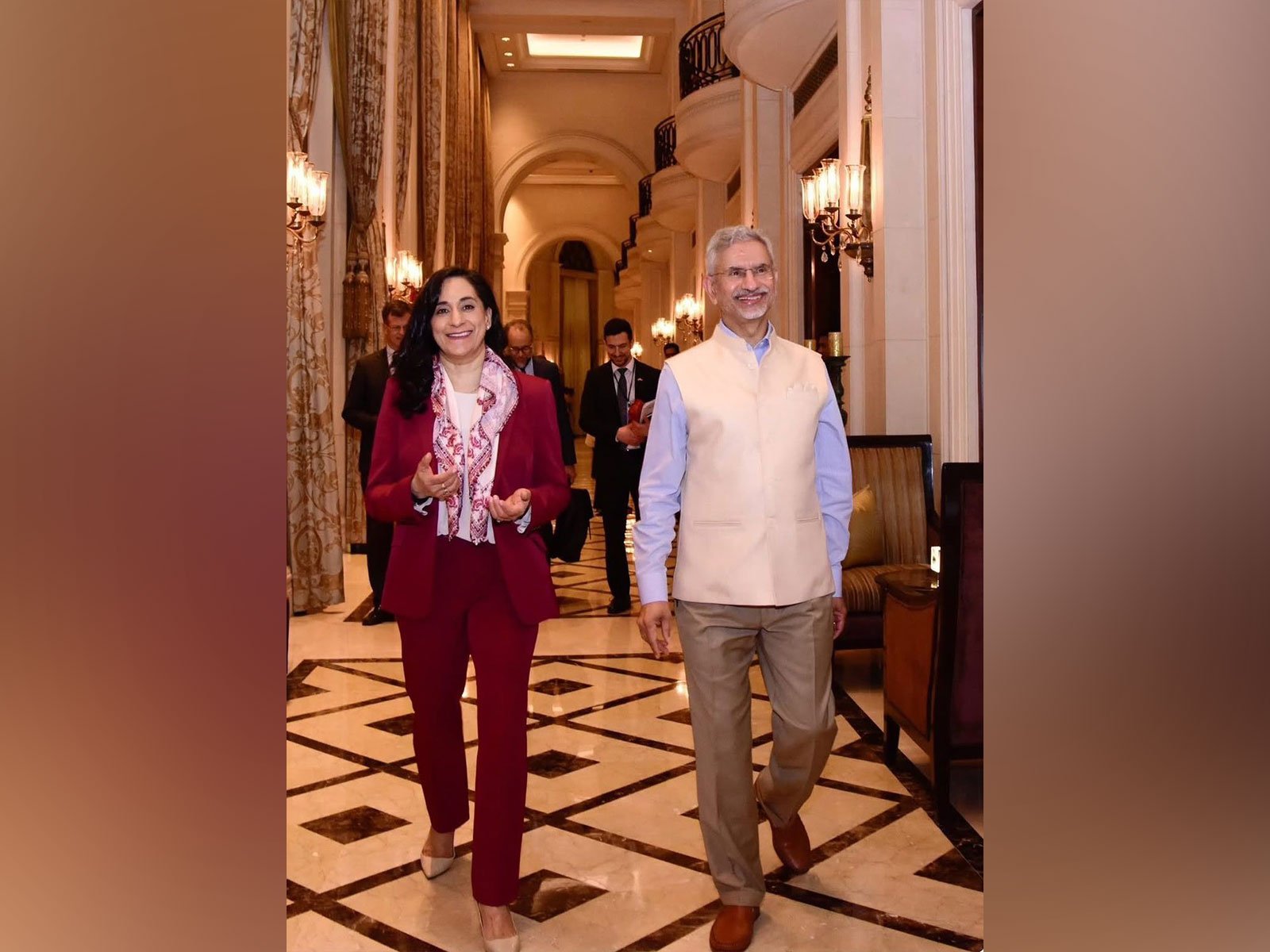
New Delhi, July 1: External Affairs Minister S. Jaishankar extended warm wishes to Canadian Foreign Minister Anita Anand and the people of Canada on the occasion of Canada Day, highlighting the importance of strengthening India-Canada Relations in the coming years.
In a message shared on social media, Jaishankar conveyed his greetings and expressed optimism about enhancing cooperation between the two countries. His remarks come at a time when both nations are exploring opportunities to rebuild trust and expand engagement across trade, diplomacy, education, technology, and defence sectors.
Jaishankar’s Canada Day Message
Marking the national day of Canada, Jaishankar wrote that he extended warm greetings to Foreign Minister Anita Anand, the Canadian government, and Canadian citizens.
The minister emphasized that he looks forward to deepening India-Canada Relations, a statement that signals New Delhi’s willingness to strengthen diplomatic engagement and promote constructive cooperation with Ottawa.
The message was widely viewed as a positive gesture aimed at fostering goodwill between the two countries as they seek to advance shared interests on global and regional issues.
Canada Day Celebrations Highlight Bilateral Momentum
The Canadian High Commission in India also celebrated Canada Day and acknowledged the growing momentum in India-Canada Relations.
Officials at the High Commission reflected on recent developments and expressed confidence about future collaboration. The mission noted that Canada and India continue to share important people-to-people ties, educational partnerships, business connections, and cultural exchanges.
The celebration underscored the significance of diplomatic engagement and highlighted efforts by both countries to maintain dialogue and cooperation.
Understanding the Significance of Canada Day
Canada Day is celebrated every year on July 1 and marks the creation of Canada as a federation under the Constitution Act of 1867.
The day serves as an opportunity for Canadians to celebrate their country’s history, cultural diversity, democratic values, and national achievements.
According to the Canadian government, Canada Day reflects the country’s multicultural identity and recognizes the contributions of citizens from diverse backgrounds.
The celebration traces its origins to 1868 when Governor General Lord Monck encouraged Canadians to commemorate July 1. In 1982, the holiday officially became known as Canada Day, replacing the earlier name “Dominion Day.”
India-Canada Relations Enter a New Phase
Recent diplomatic developments suggest that India-Canada Relations may be entering a more constructive phase. Both governments have indicated interest in strengthening engagement in areas that benefit citizens and businesses on both sides.
Economic cooperation remains a major pillar of India-Canada Relations, with bilateral trade covering sectors such as agriculture, energy, technology, education, and manufacturing.
Canada is home to a large Indian-origin community that plays a vital role in strengthening social, cultural, and economic links between the two nations. These people-to-people connections continue to be one of the strongest foundations of India-Canada Relations.
Educational partnerships also remain significant, with thousands of Indian students choosing Canadian institutions for higher education every year.
Defence Cooperation Offers New Opportunities
One of the emerging areas of collaboration is defence and aerospace cooperation. Canadian officials have recently highlighted opportunities for greater industrial engagement with India.
Canada’s plans to significantly increase defence spending could open new avenues for partnerships involving technology sharing, manufacturing cooperation, and supply-chain development.
Experts believe enhanced defence engagement could become an important pillar of future India-Canada Relations, particularly as both countries seek resilient partnerships in an increasingly complex global environment.
Collaboration in defence production, innovation, and aerospace technologies could generate economic benefits while strengthening strategic cooperation.
Shared Interests Drive Future Cooperation
India and Canada share common interests in promoting economic growth, innovation, clean energy, and international stability.
As major democracies, both countries have opportunities to work together on issues such as climate action, sustainable development, advanced technologies, and global trade.
Diplomatic observers note that continued dialogue between leaders and officials can help strengthen India-Canada Relations and create a stable framework for long-term cooperation.
The exchange of Canada Day greetings by Jaishankar is being viewed as a positive step toward reinforcing communication and goodwill at the diplomatic level.
Strong Community Links Remain a Key Strength
The Indian diaspora in Canada continues to serve as a bridge between the two nations. Community organizations, business leaders, students, and professionals contribute significantly to bilateral engagement.
These human connections support cultural understanding and create opportunities for collaboration in education, entrepreneurship, healthcare, technology, and innovation.
As both governments work to strengthen engagement, these longstanding community ties are expected to remain central to the future of India-Canada Relations.
Outlook for India-Canada Relations
The Canada Day message from Jaishankar reflects a positive diplomatic tone and a shared interest in strengthening engagement between New Delhi and Ottawa.
With growing opportunities in trade, defence, education, technology, and people-to-people exchanges, experts believe the future of India-Canada Relations holds significant promise.
As both countries continue dialogue and cooperation, Canada Day serves as a reminder of the importance of mutual respect, partnership, and shared democratic values in building a stronger bilateral relationship.
About The Author