
 admin
admin 
Srinagar records soaring temperatures as experts warn of water shortages, crop damage and possible flash floods
Srinagar, July 1: The Kashmir Heat Wave has intensified across the Valley, bringing unusually high temperatures and an extended dry spell that has disrupted normal life, strained water resources and increased anxiety among farmers and residents. The Kashmir Heat Wave has pushed daytime temperatures significantly above seasonal averages, while the absence of widespread rainfall has deepened concerns over agriculture, drinking water availability and environmental sustainability.
For the past several days, the Kashmir Heat Wave has gripped Srinagar and several other districts, forcing people to avoid outdoor activities during the hottest parts of the day. Markets have witnessed reduced footfall during afternoon hours as residents prefer to remain indoors to escape the intense heat.
Kashmir Heat Wave impacts farming and horticulture
The ongoing Kashmir Heat Wave is proving particularly challenging for the Valley’s farming community. Agriculture and horticulture remain the backbone of Kashmir’s economy, and the prolonged dry weather is affecting paddy cultivation, fruit orchards and vegetable farms.
Farmers depend heavily on regular rainfall during this stage of crop growth. However, the Kashmir Heat Wave, coupled with the lack of significant precipitation, has increased irrigation demands while reducing soil moisture. Experts fear that if the current weather pattern continues, crop productivity could decline, affecting both farmers’ incomes and regional food production.
Apple orchards, one of Kashmir’s most valuable agricultural assets, also require balanced weather conditions. Growers remain concerned that prolonged heat stress may impact fruit quality and overall yields.
Water bodies witness declining levels
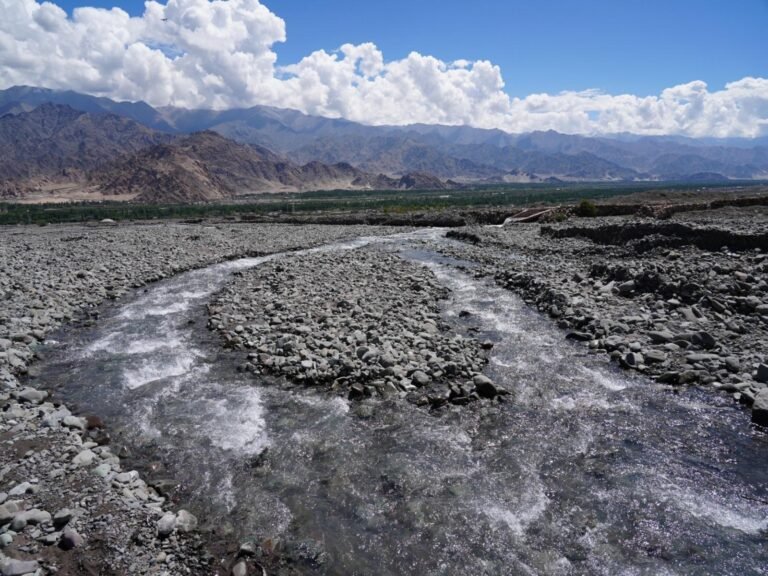
Another major consequence of the Kashmir Heat Wave has been the noticeable decline in water levels across rivers, streams and smaller water bodies. The prolonged dry spell has reduced natural water replenishment, creating pressure on local water supplies.
Authorities have urged residents to conserve water and avoid unnecessary wastage until weather conditions improve. Water conservation has become increasingly important as demand continues to rise during the ongoing Kashmir Heat Wave.
Lower water levels also raise concerns for irrigation, drinking water supply and aquatic ecosystems that depend on continuous freshwater flow.
Residents struggle with extreme temperatures
The Kashmir Heat Wave has significantly affected everyday life across the Valley. Schools, businesses and outdoor workers have been forced to adjust schedules to cope with soaring daytime temperatures.
Residents say the weather has become unusually uncomfortable for a region traditionally known for its cool climate.
Children, senior citizens and individuals with pre-existing health conditions remain especially vulnerable to heat-related illnesses during the ongoing Kashmir Heat Wave. Health experts recommend drinking plenty of water, avoiding direct sunlight during afternoon hours and wearing light, breathable clothing.
Tourists visiting Kashmir have also expressed surprise at the unusually hot weather, as many expected pleasant summer temperatures.
Meteorological Department issues advisory
According to Mukhtar Ahmad, Director of the Meteorological Centre Jammu and Kashmir, temperatures across several parts of the Valley have reached between 34°C and 35°C, which is considerably higher than normal for this time of year.
He stated that the Kashmir Heat Wave had intensified over the past two to three days, particularly across the plains, while hill stations have also recorded warmer-than-usual temperatures ranging between 26°C and 30°C.
The Meteorological Department has advised residents to remain cautious during the current Kashmir Heat Wave by staying hydrated, avoiding prolonged exposure to direct sunlight and limiting strenuous outdoor activities.
Rain likely in coming days
Despite the prevailing Kashmir Heat Wave, weather officials have forecast gradual changes in atmospheric conditions over the next few days.
According to the department, light rainfall is expected in parts of the Kashmir Valley, while Jammu region may receive moderate to heavy showers beginning July 2. Intermittent afternoon and evening rainfall is likely between July 2 and July 4, offering some relief from the Kashmir Heat Wave.
However, meteorologists have simultaneously warned that isolated areas could witness short-duration but intense rainfall.
Flash flood warning issued
Even as rainfall may provide temporary relief from the Kashmir Heat Wave, weather officials have cautioned that sudden heavy showers could trigger flash floods in vulnerable districts.
The Meteorological Department has advised residents living near rivers, streams and low-lying areas to remain alert as localized heavy rainfall may rapidly increase water levels.
Authorities are closely monitoring weather developments while preparing emergency response measures in case of flooding or landslides.
Local residents voice concerns
Residents across Srinagar and nearby districts say the Kashmir Heat Wave has become increasingly difficult to manage.
Many fear prolonged water shortages if rainfall continues to remain below normal. Others worry about the long-term environmental consequences, including declining groundwater levels and increased pressure on already limited water resources.
Tourists visiting the Valley also admitted they were surprised by the unusually high temperatures, saying they had expected Kashmir’s famous cool climate but instead encountered intense summer heat.
Need for preparedness
Experts believe the current Kashmir Heat Wave highlights the growing impact of changing weather patterns across the Himalayan region. Increasing temperature extremes and irregular rainfall events underline the importance of stronger climate adaptation measures, improved water management and better disaster preparedness.
Citizens are encouraged to follow official weather advisories, use water responsibly and remain vigilant as both extreme heat and heavy rainfall remain possible over the coming days.
The ongoing Kashmir Heat Wave continues to pose significant challenges for residents, farmers and authorities alike. While forecasts indicate that rainfall may arrive soon, concerns remain over water scarcity, agricultural losses and the possibility of flash floods. As weather conditions evolve, officials are urging people to remain cautious, conserve water and take necessary precautions against heat-related illnesses. The coming days will be crucial in determining whether the expected rainfall can ease the impact of the Kashmir Heat Wave or bring new weather-related challenges to the region.
About The Author