

 admin
admin 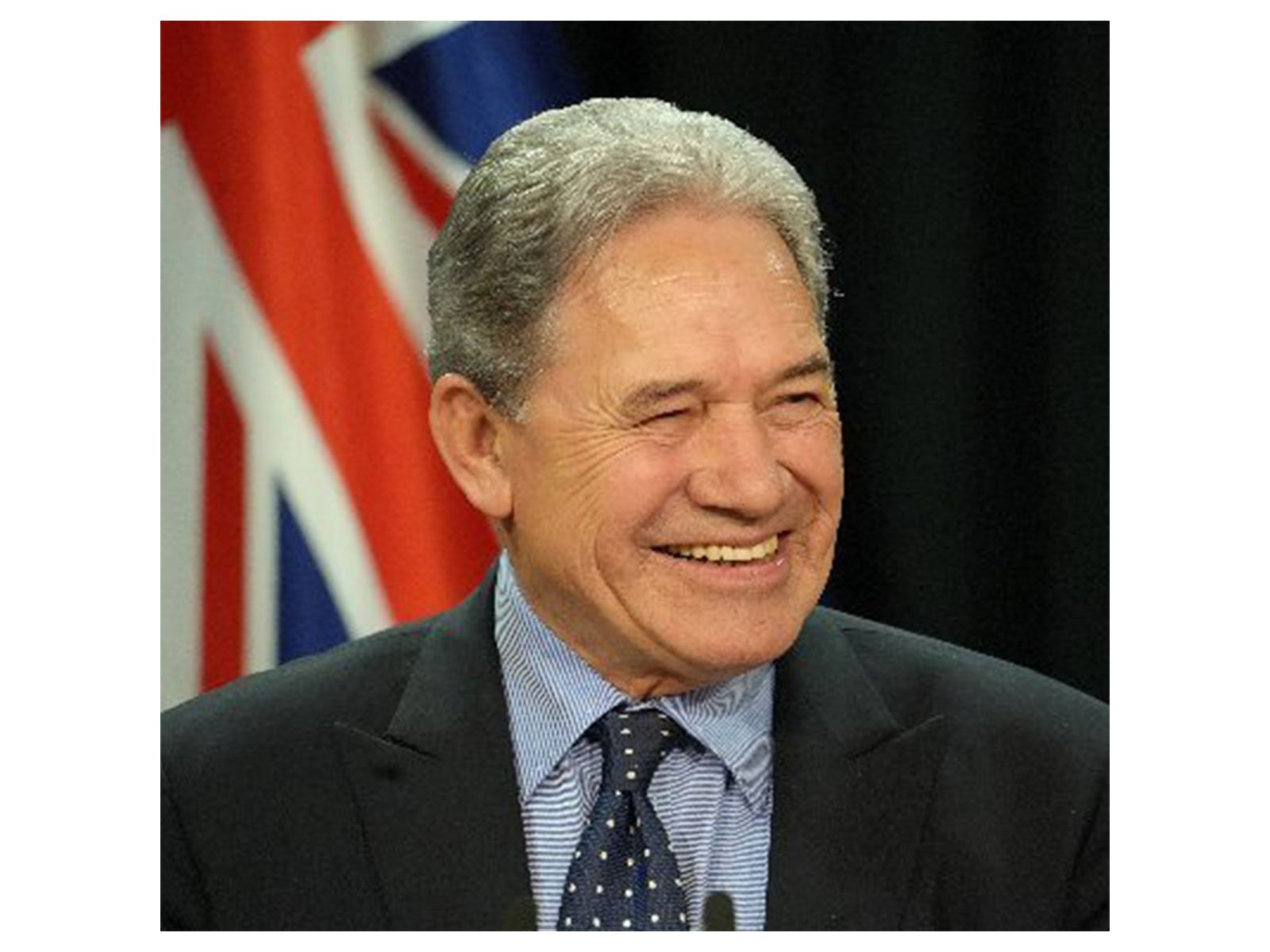
The debate over the India-New Zealand FTA immigration rules India NZ FTA immigration rules has intensified in New Zealand after Foreign Minister and New Zealand First leader Winston Peters publicly questioned his own government over alleged changes to immigration settings linked to the recently signed free trade agreement with India. The controversy surrounding the India-New Zealand FTA immigration rules has raised concerns about fairness, trade diplomacy, and equal treatment of partner countries.
The issue emerged months after the signing of the Free Trade Agreement between New Zealand and India, which was formally concluded in April at Bharat Mandapam in New Delhi. India NZ FTA immigration rules The pact was signed by Indian Commerce Minister Piyush Goyal and New Zealand Trade Minister Todd McClay in the presence of officials and industry leaders from both countries.
Allegations Over Immigration Policy Changes
At the center of the debate are claims that the government has introduced stricter immigration settings specifically affecting Indian nationals. The India-New Zealand FTA immigration rules reportedly include a labour market test and additional eligibility checks for Indian applicants that may not apply equally to other FTA partner nations.
Winston Peters has alleged that such changes represent an “abrupt change of course” and could result in unequal treatment of Indian citizens compared to nationals of countries like China, Thailand, and South Korea. According to him, the India-New Zealand FTA immigration rules could potentially undermine trust between the two countries.
Concerns About Discrimination and Fair Treatment
The core of the political criticism revolves around claims of discriminatory implementation. Peters argued that if the government applies stricter entry norms under the India-New Zealand FTA immigration rules, then similar conditions should apply India NZ FTA immigration rules uniformly across all FTA partners.
He stated that differential treatment could damage New Zealand’s reputation as a fair destination for migrants and businesses. The India-New Zealand FTA immigration rules debate has therefore moved beyond immigration policy and into broader diplomatic territory.
Officials, according to Peters, had also warned that such changes could lead to legal challenges or retaliatory measures from India. This concern has further intensified scrutiny of the India-New Zealand FTA immigration rules framework.
Impact on Bilateral Relations
The India-New Zealand FTA was designed to strengthen trade and investment ties, with New Zealand committing nearly USD 20 billion in long-term investment flows into India. However, India NZ FTA immigration rules the ongoing controversy around the India-New Zealand FTA immigration rules has created uncertainty over how smoothly the agreement will be implemented.
Analysts suggest that immigration policy is closely tied to trade negotiations in modern FTAs, and any perception of bias could complicate future cooperation. The repeated focus on the India-New Zealand FTA immigration rules reflects growing political sensitivity around labour mobility provisions within trade deals.
Government Position and Silence
As of now, the New Zealand government led by Prime Minister Christopher Luxon has not issued a detailed public clarification on the allegations. The lack of an official response has added to speculation surrounding the India-New Zealand FTA immigration rules.
Supporters of the government argue that immigration settings are often reviewed independently of trade agreements to align with domestic labour needs. However, critics India NZ FTA immigration rules insist that any changes must remain consistent with commitments made under FTAs.
Possible Trade and Legal Implications
Experts warn that if the India-New Zealand FTA immigration rules are perceived as discriminatory, they could trigger diplomatic friction or even legal review under international trade frameworks. Immigration provisions are often sensitive components of FTAs, especially when they involve skilled labour mobility.
Winston Peters has cautioned that unequal application of the India-New Zealand FTA immigration rules could harm New Zealand’s credibility and invite retaliation or formal objections from India.
Broader Immigration Debate in New Zealand
The controversy also reflects a wider domestic debate in New Zealand about immigration levels, workforce needs, and economic balance. Critics of liberal migration policies India NZ FTA immigration rules argue that stricter controls are necessary, while businesses often support more open entry systems for skilled workers.
Within this context, the India-New Zealand FTA immigration rules have become a focal point for competing political narratives about economic growth versus domestic labour protection.
Strategic Importance of India-New Zealand Ties
India remains one of New Zealand’s fastest-growing trade partners. The India-New Zealand FTA aims to boost cooperation in agriculture, education, technology, and services. Any disruption caused by disputes over the India-New Zealand FTA immigration rules could slow down momentum in these sectors.
The agreement is also seen as strategically important for both countries as India NZ FTA immigration rules they expand their presence in the Indo-Pacific economic landscape.
The controversy over the India-New Zealand FTA immigration rules highlights the delicate balance between trade commitments and domestic immigration policy. While the India NZ FTA immigration rules agreement promises long-term economic benefits, political disagreement within New Zealand raises questions about implementation consistency.
As discussions continue, the India-New Zealand FTA immigration rules will remain under close scrutiny from policymakers, businesses, and international India NZ FTA immigration rules observers watching how both countries manage this sensitive phase of their bilateral relationship.
About The Author