
Kejriwal Slams Centre Over Telegram Ban Ahead of NEET Re-Test, Alleges Lack of Intent to Stop Exam Paper Leaks
 admin
admin 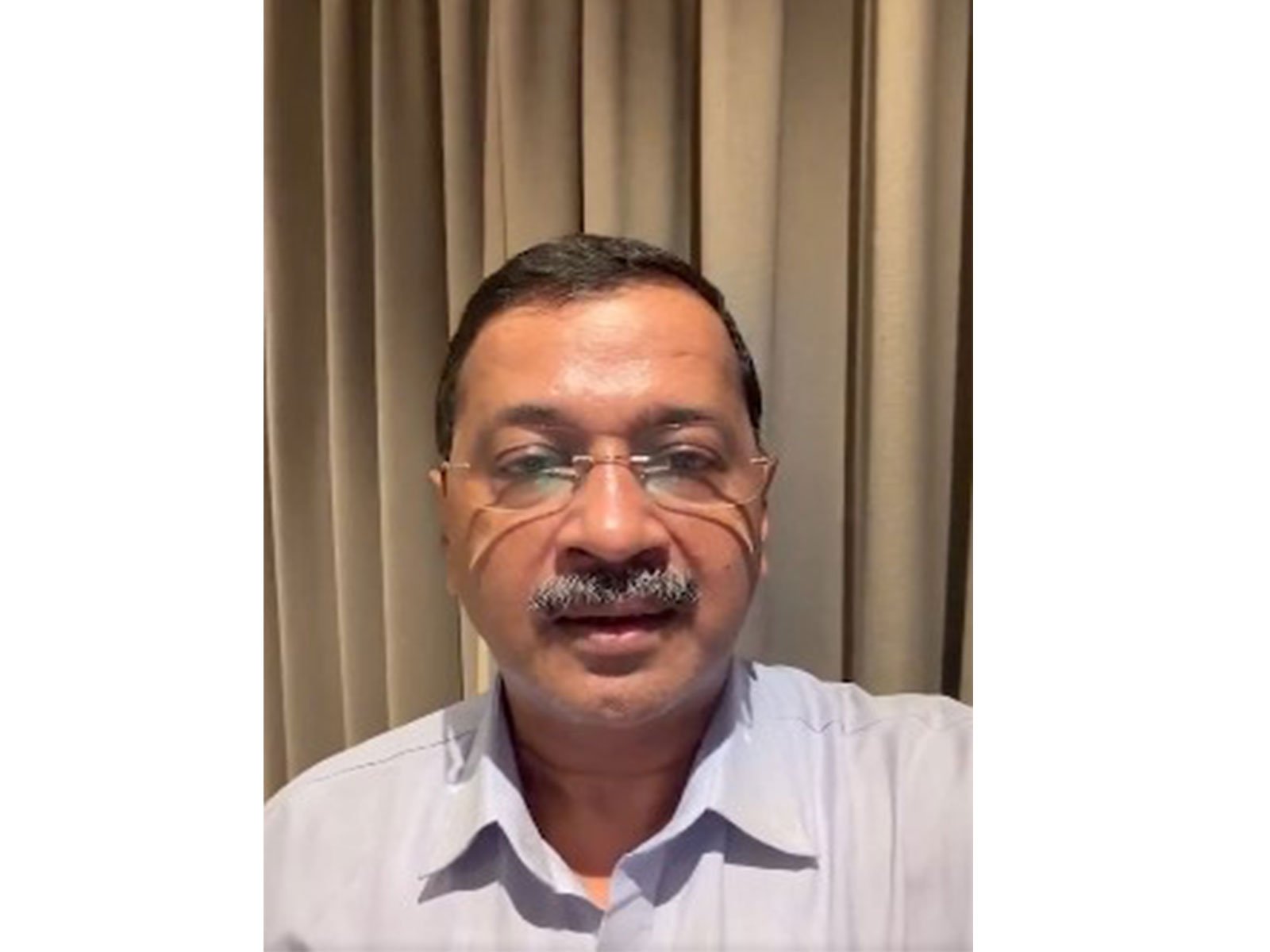
New Delhi, June 18: Aam Aadmi Party (AAP) national convenor Arvind Kejriwal has launched a sharp attack on the Central government over the reported temporary Telegram ban ahead of the NEET re-test, alleging that the move is merely a symbolic step and will not solve the long-standing problem of examination paper leaks. Kejriwal slams Centre over Telegram ban while accusing the government of lacking the political will to dismantle the networks responsible for recurring exam scams.
Speaking through a video message shared on his social media platform X, Kejriwal questioned whether banning Telegram or increasing security around examination papers could effectively prevent leaks. He argued that such measures fail to address the root causes of the problem and instead divert attention from the alleged organized networks involved in paper leak rackets.
Kejriwal Slams Centre Over Telegram Ban Ahead of NEET Re-Test
As the National Eligibility cum Entrance Test (NEET) re-test approaches, reports of a temporary Telegram restriction have sparked political debate across the country. Kejriwal slams Centre over Telegram ban by calling the government’s response inadequate and ineffective.
In his remarks, the former Delhi Chief Minister criticized the Centre’s previous decision to use enhanced security measures, including air transportation for examination papers. According to him, these actions amount to publicity rather than meaningful reform.
“First IAF planes, now Telegram ban. This government is a total comedy circus,” Kejriwal remarked while questioning how such decisions could prevent organized paper leak operations.
Telegram Ban Cannot End Paper Leaks, Says Kejriwal
Continuing his criticism, Kejriwal slams Centre over Telegram ban by arguing that technology platforms alone are not responsible for examination leaks.
According to Kejriwal, paper leaks occur because organized networks manage to access confidential examination material long before it reaches students. Therefore, restricting one messaging application would not eliminate the larger ecosystem allegedly responsible for leaking examination papers.
He stated that unless authorities identify and prosecute those behind the criminal networks, paper leak incidents would continue despite new restrictions or logistical changes.
Government Lacks Intent to Stop Exam Scams, Claims Kejriwal
One of the strongest allegations made during the video was that the government lacks the genuine intention to stop paper leaks.
Kejriwal slams Centre over Telegram ban while claiming that examination leak operations generate enormous illegal profits. According to him, these financial interests discourage strict action against the people allegedly involved in the racket.
He alleged that paper leak businesses operate on a massive financial scale involving thousands of crores and questioned why repeated incidents continue despite increasing security measures.
Although Kejriwal made these allegations publicly, he did not present documentary evidence to support his claims.
Political Allegations Over Paper Leak Money
During his address, Kejriwal slams Centre over Telegram ban and expanded his criticism by making political allegations regarding the alleged use of money generated through paper leak operations.
He claimed that funds obtained through such illegal activities were allegedly being used for political purposes, including attempts to influence elected representatives.
Kejriwal referred to Members of Parliament and MLAs while alleging that such money was being used in political operations. These allegations remain unverified, and no official evidence was presented alongside the claims.
NEET Exam Integrity Under Fresh Scrutiny
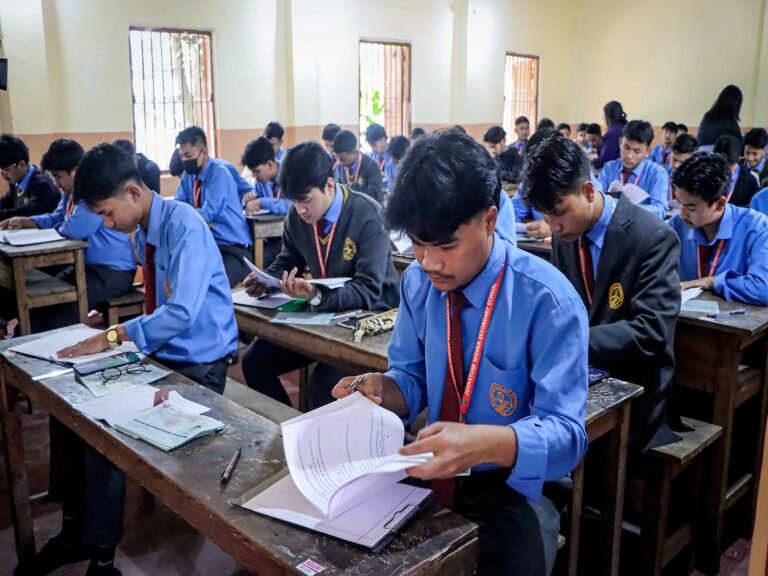
The controversy comes at a time when NEET examinations continue to face heightened public scrutiny. Students, parents, education experts, and political leaders have repeatedly expressed concerns over examination integrity following multiple reports of paper leaks and irregularities in recent years.
Kejriwal slams Centre over Telegram ban amid growing demands for stronger reforms in the examination system. Critics argue that authorities should focus on strengthening cybersecurity, improving question paper security, increasing accountability among officials, and ensuring swift legal action against those responsible for examination fraud.
Education experts have also suggested that preventing paper leaks requires systemic reforms rather than temporary restrictions on digital platforms.
Opposition Demands Accountability
Several opposition parties have consistently criticized the government over repeated examination controversies. While political parties differ on the proposed solutions, there is broad agreement that paper leaks severely affect students who prepare for competitive examinations for months or even years.
Kejriwal slams Centre over Telegram ban as part of a broader opposition campaign demanding accountability from the government over recurring examination failures.
The controversy has once again highlighted the emotional and financial burden faced by lakhs of students whose academic futures depend on transparent and fair examinations.
Public Confidence in Competitive Exams
Competitive examinations such as NEET play a crucial role in determining admission to medical colleges across India. Any allegation of paper leaks can significantly impact public confidence in the examination process.
Experts believe restoring trust requires transparent investigations, strict punishment for offenders, better digital monitoring, stronger encryption of examination papers, and coordination among various law enforcement agencies.
While security measures may reduce certain risks, many analysts argue that long-term institutional reforms are essential for preventing future examination scams.
Government Yet to Respond
At the time of reporting, there has been no detailed official response from the Central government regarding Kejriwal’s latest remarks. Authorities have consistently maintained that maintaining examination integrity remains a top priority and that strict action is taken whenever irregularities are detected.
Government agencies have previously introduced multiple security measures aimed at preventing question paper leaks, including improved transportation protocols, surveillance mechanisms, and coordination with investigative agencies.
However, opposition leaders continue to argue that these measures have not fully addressed the recurring problem.
Calls for Systemic Reform
As debate continues, education policy experts emphasize that preventing examination leaks requires comprehensive reforms involving technology, law enforcement, institutional accountability, and transparent recruitment processes.
Students’ organizations have also urged authorities to prioritize fairness and timely investigations so that deserving candidates do not suffer because of criminal activities.
Kejriwal slams Centre over Telegram ban while reiterating that lasting solutions require action against the alleged masterminds rather than temporary restrictions on communication platforms.
The latest political confrontation surrounding the NEET re-test has once again placed examination integrity at the center of national debate. Kejriwal slams Centre over Telegram ban, arguing that the move fails to tackle the deeper issues behind recurring paper leaks. While the government maintains its focus on strengthening examination security, opposition leaders continue to demand more decisive action against organized paper leak networks.
With millions of students depending on transparent competitive examinations for their future careers, the issue remains one of the country’s most pressing education challenges. Whether the current measures prove effective or broader structural reforms become necessary will likely continue to dominate public and political discussions in the coming months.
About The Author