
 admin
admin 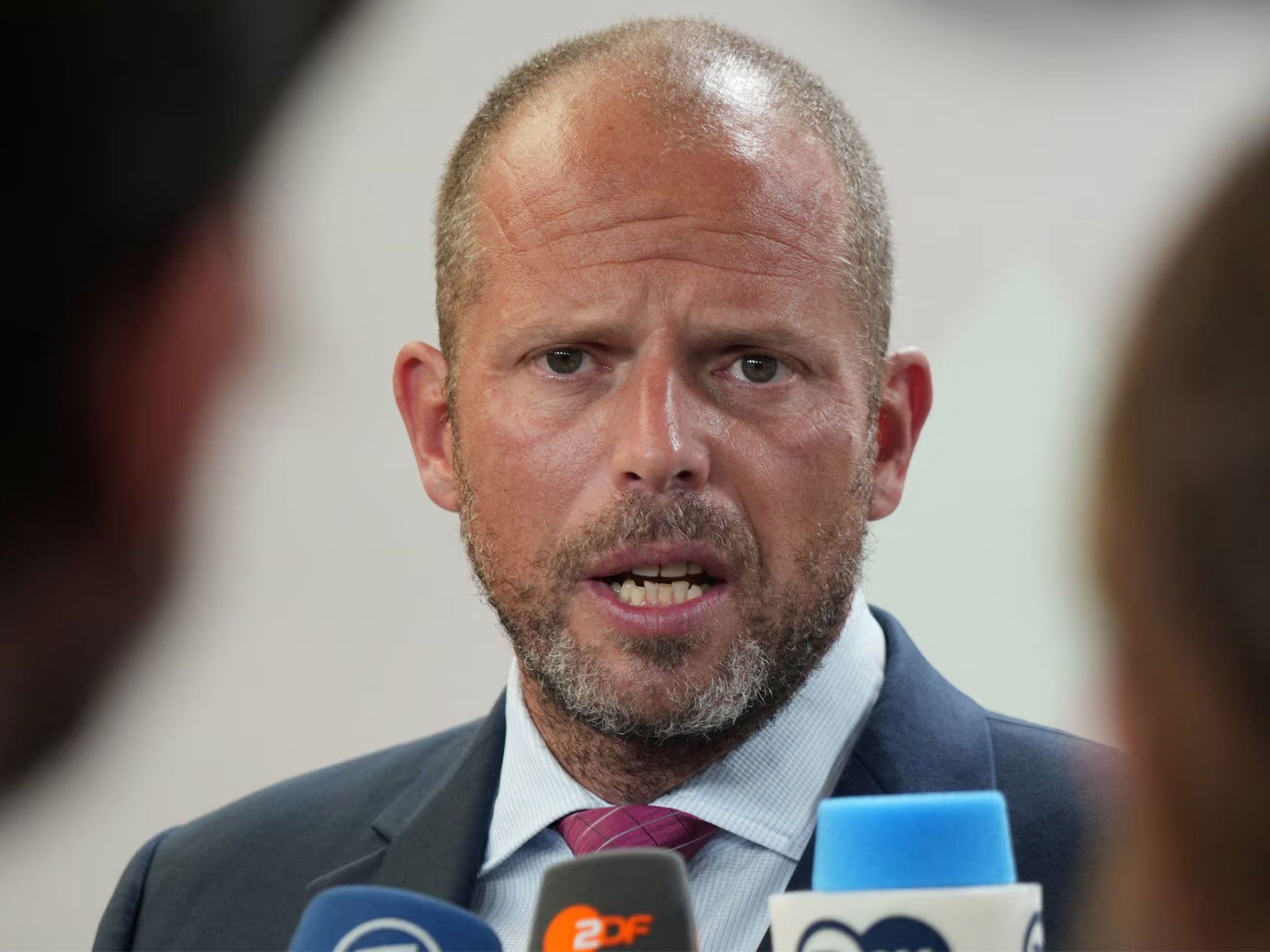
Brussels Responds to Meloni Trump Remark
The Meloni Trump Remark controversy has generated significant discussion across Europe after Belgian Defence Minister Theo Francken publicly defended Italian Prime Minister Giorgia Meloni following comments made by US President Donald Trump. The incident has sparked renewed debate about transatlantic relations, European security, and the future of cooperation between Europe and the United States.
Speaking in Brussels, Francken emphasized the importance of maintaining strong diplomatic ties with Washington while also standing firmly behind Meloni. His comments came after Trump jokingly suggested on social media that he might need a restraining order against the Italian Prime Minister, a statement that quickly attracted international attention.
The Meloni Trump Remark has since become a major talking point among European political leaders and analysts.
Belgian Minister Backs Giorgia Meloni
Addressing the controversy, Belgian Defence Minister Theo Francken offered strong support for Meloni. He described the Italian leader as one of the most influential conservative politicians in Europe and warned against unnecessary political disputes involving key allies.
According to Francken, Giorgia Meloni occupies a leading position within Europe’s centre-right political movement. He praised her leadership style and highlighted her growing influence on European policy discussions.
The minister stated that Europe must remain united while dealing with challenges related to defence, security, and economic stability. His remarks made it clear that he viewed the Meloni Trump Remark as an avoidable distraction from larger strategic concerns.
What Triggered the Meloni Trump Remark?
The controversy began after Trump posted a photograph of Meloni on social media and joked that he would need a restraining order against her. While many supporters viewed the comment as humorous, critics argued that it risked creating unnecessary diplomatic friction.
The Meloni Trump Remark gained further attention because it followed reports of an awkward interaction between Trump and Meloni during the recent G7 Summit. Following that meeting, Trump reportedly claimed that Meloni had requested a photograph with him, an allegation that the Italian Prime Minister strongly denied.
As media coverage expanded, the Meloni Trump Remark evolved from a social media joke into a broader discussion about diplomacy and leadership among Western allies.
G7 Summit Encounter Fuels Debate
The G7 Summit provided the backdrop for the current controversy. During the gathering, leaders from major economies met to discuss pressing global challenges, including security, economic growth, and geopolitical tensions.
Reports of an uncomfortable exchange between Trump and Meloni emerged after the event. Subsequent comments from both sides intensified public interest and placed additional scrutiny on their relationship.
For many observers, the Meloni Trump Remark reflects the increasing role that social media plays in shaping international diplomacy. Statements made online can rapidly influence public perception and create diplomatic challenges that governments must then address.
Europe’s Dependence on US Security
Beyond the political dispute, Francken used the opportunity to highlight a much larger issue facing Europe: defence preparedness.
The Belgian minister warned that Europe remains heavily dependent on American military protection. According to his assessment, it could take between five and ten years for European nations to develop the conventional military capabilities necessary to reduce reliance on Washington.
This broader context is important in understanding why Francken responded so strongly to the Meloni Trump Remark. He argued that Europe cannot afford to damage relations with its most important security partner while simultaneously attempting to strengthen its own defence capabilities.
His message was clear: disagreements should not undermine strategic cooperation between Europe and the United States.
NATO Spending Remains a Key Issue
The Meloni Trump Remark also emerged during ongoing discussions about NATO defence spending. Trump has repeatedly urged alliance members to increase military expenditures and meet agreed defence targets.
Several European countries have responded by raising defence budgets and investing in military modernization programs. However, progress remains uneven across the continent.
Belgium itself faces criticism regarding defence spending levels. Recent reports indicate that the country may fall short of NATO’s updated defence spending targets despite government commitments to increase military investment.
The debate over defence funding adds another layer of significance to the Meloni Trump Remark, as European leaders seek to balance domestic priorities with international security obligations.
Calls for Greater European Integration
In addition to discussing security concerns, Francken advocated for deeper European economic integration. He expressed support for creating a stronger and more unified single market across multiple sectors.
The Belgian minister also criticized protectionist measures that allow governments to favor domestic defence manufacturers over competitors from other European countries. He argued that such policies can hinder the development of a more efficient and competitive European defence industry.
These comments demonstrate that the Meloni Trump Remark has unfolded against a backdrop of broader debates about Europe’s future economic and strategic direction.
Giorgia Meloni’s Growing Influence
The controversy has once again highlighted Giorgia Meloni’s prominent role within European politics. Since becoming Italy’s Prime Minister, Meloni has emerged as one of the continent’s most recognizable conservative leaders.
Her positions on migration, national sovereignty, economic policy, and security have earned both support and criticism across Europe. Nevertheless, her influence continues to grow within European political circles.
Francken’s description of Meloni as a leading figure in Europe’s centre-right movement reflects the respect she commands among many conservative politicians. This support helps explain why the Meloni Trump Remark generated such a strong response from the Belgian minister.
The Meloni Trump Remark has become more than a simple exchange of political comments. It has evolved into a wider conversation about diplomacy, leadership, defence cooperation, and the future of transatlantic relations.
While Theo Francken strongly defended Giorgia Meloni and urged respect for her leadership, he also stressed the importance of maintaining constructive relations with the United States. His remarks highlight the delicate balance European leaders must strike as they navigate security challenges, NATO commitments, and evolving geopolitical realities.
As debates continue over defence spending, European integration, and international partnerships, the Meloni Trump Remark serves as a reminder that even seemingly light-hearted comments can carry significant diplomatic implications on the global stage.
Meloni Gains Support as Europe Faces Security Challenges
The Meloni Trump Remark controversy continues to draw attention across Europe, with several political leaders expressing support for Italian Prime Minister Giorgia Meloni. Analysts say the debate reflects broader concerns about diplomatic relations between Europe and the United States at a time of growing geopolitical uncertainty. Belgian Defence Minister Theo Francken’s defence of Meloni highlights her increasing influence within Europe’s conservative political landscape. Meanwhile, discussions over NATO spending, European defence capabilities, and transatlantic cooperation remain central to policy debates. The Meloni Trump Remark has therefore become a symbol of wider strategic and political challenges facing Western allies.
About The Author