
 admin
admin 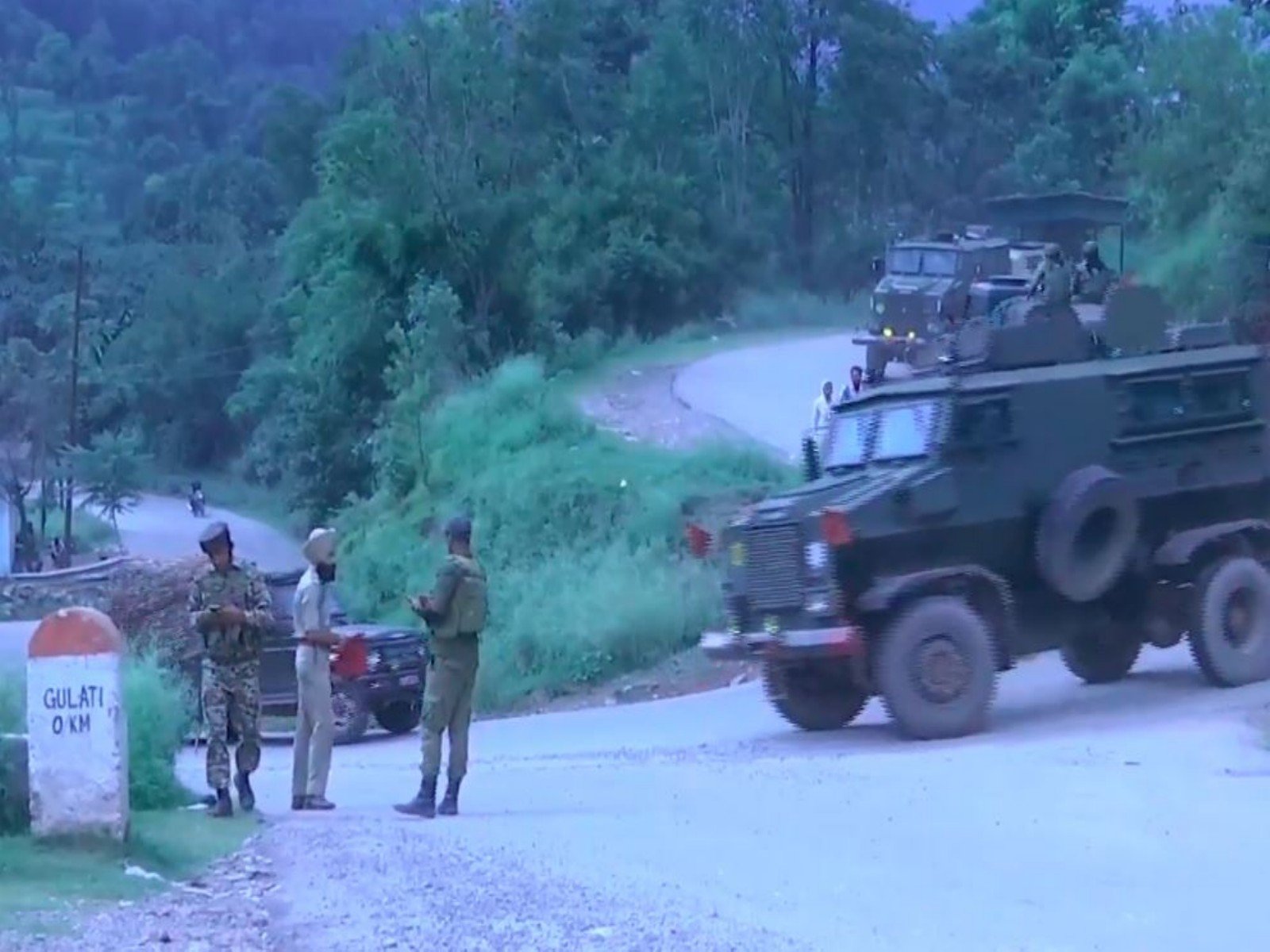
Multi-layer security arrangements have been strengthened along the Rajouri-Poonch National Highway (NH-144A) as the annual Shri Budha Amarnath Yatra entered its second day, with security forces maintaining heightened vigilance to ensure the safe and smooth movement of pilgrims.
The highway connecting Jammu, Rajouri and Poonch has witnessed enhanced deployment as devotees travel towards the ancient Baba Budha Amarnath shrine in Poonch district.
Personnel from the Indian Army, Jammu and Kashmir Police, Central Reserve Police Force (CRPF), Central Industrial Security Force (CISF) and other security agencies have been deployed at important locations along the pilgrimage route.
The multi-layer security arrangements include intensified surveillance, checking and monitoring of movement along the highway. The measures are aimed at protecting pilgrims while ensuring that the movement of vehicles remains smooth throughout the yatra.
5 Key Features of Multi-Layer Security Arrangements
1. Multiple Security Agencies Deployed
A major feature of the multi-layer security plan is the involvement of personnel from several security and law enforcement agencies.
The Indian Army, Jammu and Kashmir Police, CRPF, CISF and other agencies are coordinating their efforts at important locations and along the highway.
The involvement of multiple agencies allows authorities to maintain security coverage across different aspects of the pilgrimage, while civil administration officials continue to oversee traffic and other arrangements.
2. Enhanced Surveillance Along NH-144A
Security forces are conducting intensified surveillance along the Rajouri-Poonch stretch.
Personnel are monitoring movement along the route and maintaining vigilance at important points as pilgrims travel towards Poonch.
The multi-layer security arrangements are intended to provide continuous monitoring throughout the pilgrimage period while supporting the smooth movement of vehicles carrying devotees.
Authorities are also conducting checks as part of the overall security and traffic management plan.
3. Vehicle and Movement Checks
Checking and monitoring of vehicles and people travelling towards the pilgrimage destination form another component of the security arrangements.
Security personnel are maintaining vigilance along the route while coordinating with other agencies to manage the movement of pilgrims.
The objective is to ensure that devotees can travel safely while maintaining orderly traffic movement along the strategically important highway.
The multi-layer security approach combines surveillance with ground-level checks and coordination between security personnel and the civil administration.
4. Security at Important Locations
The Rajouri-Poonch highway passes through several important towns and areas, including Akhnoor, Sunderbani, Kalakote and Rajouri before reaching Poonch.
Security agencies are maintaining heightened vigilance at important locations along the route.
The multi-layer security deployment is particularly significant because Rajouri and Poonch are located in a strategically sensitive region.
Authorities are therefore maintaining close coordination and monitoring throughout the pilgrimage route.
5. Coordination Between Security and Civil Agencies
The ongoing multi-layer security arrangements involve coordination between security forces and civil administration agencies.
Authorities reviewed preparations before the pilgrimage began, with a focus on security, traffic management and facilities for devotees.
The coordination is expected to continue throughout the yatra so that security agencies and administrative officials can respond efficiently to situations that may arise during the pilgrimage.
Budha Amarnath Yatra Begins From Jammu
The heightened security arrangements come a day after the annual Budha Amarnath Yatra commenced from Jammu.
Jammu and Kashmir Lieutenant Governor Manoj Sinha flagged off the first batch of pilgrims from Bhagwati Nagar Yatri Niwas on Monday after performing a pooja at the base camp.
The first group of devotees began its nearly 230-kilometre journey towards Poonch.
The annual pilgrimage is an important religious event in the Jammu region and attracts devotees from different parts of the country.
With the yatra now underway, authorities have increased attention towards the safe movement of pilgrims along the Jammu-Rajouri-Poonch route.
Yatra to Continue Until August 28
The 12-day Budha Amarnath Yatra is scheduled to continue until August 28 and will culminate on Raksha Bandhan.
The ancient shrine is located at Rajpura in the Mandi tehsil of Poonch district.
The pilgrimage is traditionally held during the holy month of Shravan and attracts devotees seeking to offer prayers at the shrine associated with Lord Shiva.
As the yatra continues, the multi-layer security deployment is expected to remain in place along the principal routes and key locations associated with the pilgrimage.
NH-144A Plays a Crucial Role
The Rajouri-Poonch section is particularly important because NH-144A serves as a principal road connection between Jammu and Poonch.
The route passes through several towns and connects different parts of the region before reaching the pilgrimage destination.
The highway’s importance means that traffic management is a key component of the overall yatra arrangements.
Authorities are therefore working to balance the movement of pilgrims with regular traffic while maintaining the required security presence.
The multi-layer security strategy along the highway is designed to support both safety and smooth transportation during the pilgrimage.
Rajouri-Poonch Region Under Close Vigilance
Rajouri and Poonch are strategically sensitive districts, making security an important consideration during large public gatherings and pilgrimages.
The annual Budha Amarnath Yatra brings a significant movement of devotees through the region over several days.
Security agencies are consequently maintaining close surveillance and coordinating deployments along important sections of the route.
The presence of multiple agencies allows authorities to maintain a coordinated security framework while supporting the administration’s arrangements for pilgrims.
Religious Significance of Budha Amarnath Shrine
The Budha Amarnath shrine is located in Rajpura village of Mandi tehsil at an altitude of approximately 4,600 feet.
The shrine is associated with Lord Shiva and is situated near the Pulastya River.
Pilgrims traditionally take a holy dip in the river before offering prayers at the shrine.
The religious significance of the destination makes the annual yatra an important event for devotees from different parts of India.
The pilgrimage also represents a major annual movement of people through the Rajouri-Poonch region, making effective coordination between security and civil agencies essential.
Focus on Safe and Smooth Pilgrim Movement
The primary objective of the multi-layer security arrangements is to ensure that pilgrims can complete their journey safely and without unnecessary disruption.
Security forces are maintaining vigilance while civil administration officials are focusing on traffic management and other facilities.
The coordinated approach is intended to provide a secure environment for devotees while ensuring that the highway remains functional for regular movement.
Authorities are expected to continue monitoring conditions throughout the 12-day pilgrimage.
Security Measures Expected to Continue
The enhanced security deployment is expected to remain in place throughout the Budha Amarnath Yatra period.
Security and civil administration agencies will continue coordinating their efforts along NH-144A and around key pilgrimage locations.
The multi-layer security system will remain an important part of the arrangements as more groups of pilgrims travel towards the shrine.
Continuous monitoring will also help authorities manage changing traffic conditions and respond to any situation that may emerge during the yatra.
Multi-Layer Security Supports a Major Religious Event
The annual Budha Amarnath Yatra brings together devotees from different parts of the country and requires extensive logistical and administrative coordination.
This year’s multi-layer security arrangements reflect the authorities’ emphasis on protecting pilgrims while maintaining smooth traffic and movement across the region.
The deployment of the Army, J&K Police, CRPF, CISF and other agencies demonstrates the coordinated nature of the security framework.
At the same time, the civil administration is working on traffic management and facilities to make the pilgrimage more organised for devotees.
About The Author