
Tejasvi Surya Alleges Karnataka Government Ignoring Bengaluru Commuters, Demands Faster Deployment of 4,500 Electric Buses
 admin
admin 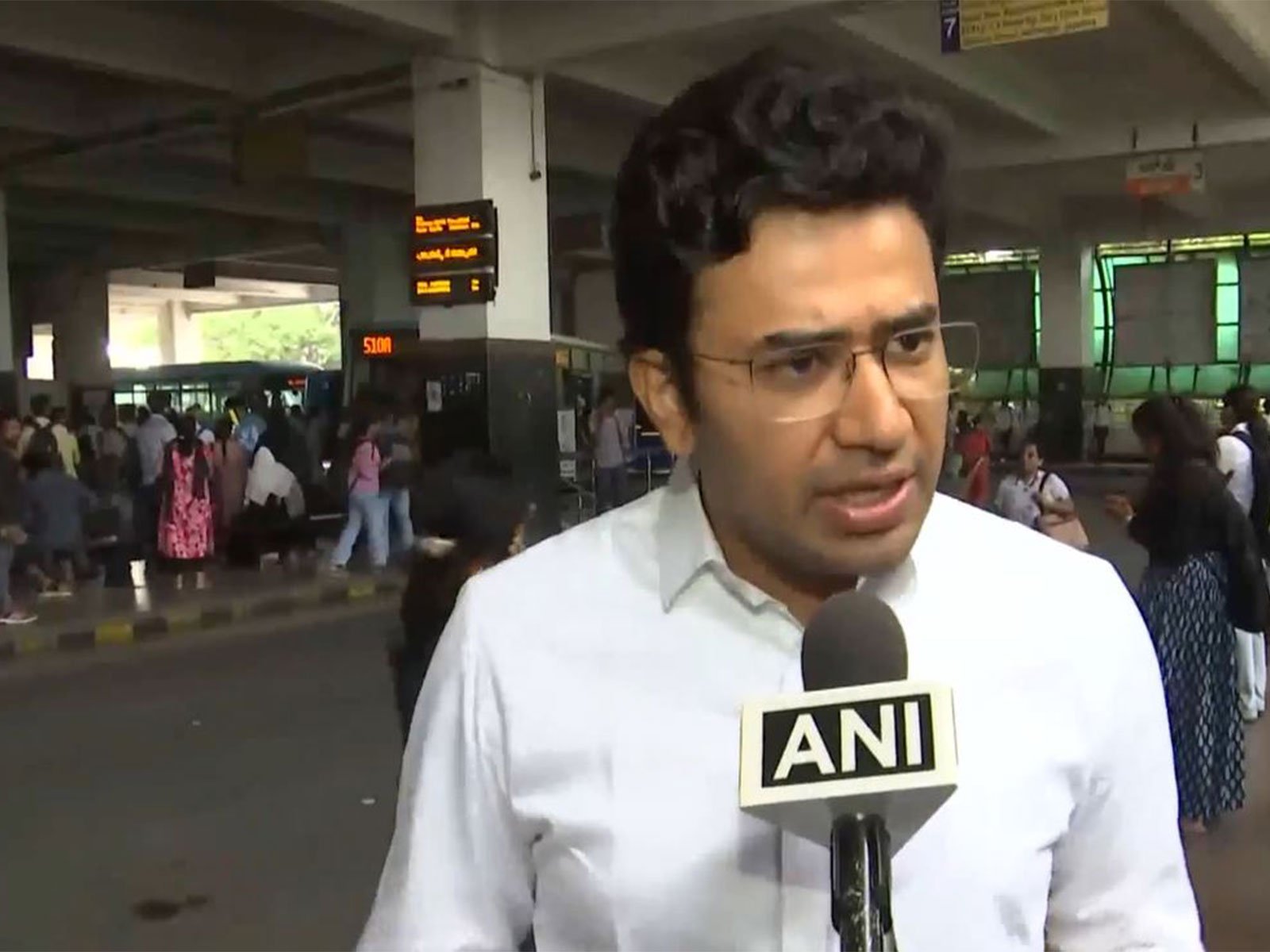
Bengaluru (Karnataka), June 29: BJP Bengaluru South MP Tejasvi Surya on Monday launched a sharp attack on the Karnataka government, alleging that it has failed to prioritise the needs of lakhs of daily commuters while focusing on expensive infrastructure projects. Tejasvi Surya claimed that despite the Central Government sanctioning 4,500 electric buses for Bengaluru, the state government has yet to grant the necessary cabinet approval for their deployment, leaving public transport users to struggle with overcrowding and inadequate services.
The remarks by Tejasvi Surya have once again brought Bengaluru’s public transport challenges into the political spotlight, with the BJP MP accusing the Congress-led state government of neglecting commuters in favour of “VIP projects.”
Tejasvi Surya Criticises Delay in Electric Bus Deployment
Addressing the media, Tejasvi Surya said the Central Government had already approved 4,500 electric buses to strengthen Bengaluru’s public transport network. However, he alleged that the Karnataka government has failed to complete the required cabinet approval process, delaying the induction of these buses into the Bengaluru Metropolitan Transport Corporation (BMTC) fleet.
According to Tejasvi Surya, the delay is directly affecting lakhs of commuters who depend on BMTC buses for their daily travel across the city.
He argued that instead of expanding public transport infrastructure, the government is prioritising costly projects that primarily benefit private vehicle users.
Public Transport Users ‘Treated as Second-Class Citizens’
In his criticism, Tejasvi Surya alleged that the Karnataka government is treating public transport users as “second-class citizens.”
He questioned why resources are being allocated to large-scale tunnel road projects while basic public transport infrastructure continues to face shortages.
According to Tejasvi Surya, commuters who travel by metro, BMTC buses, or on foot deserve equal attention in the city’s development plans. He said that investments should first improve everyday transportation before launching high-cost infrastructure projects.
The BJP MP further alleged that expensive “white-elephant projects” receive priority because they offer opportunities for large-scale spending instead of addressing immediate commuter concerns.
Bengaluru Commuters Highlight Daily Challenges
During his interaction with commuters, Tejasvi Surya spoke to several passengers who described the difficulties they face due to inadequate bus services.
One commuter, Chaitra, who travels daily from Goragunte Palya, explained that she is required to change two buses to reach her destination.
She said buses are often unavailable during peak hours, forcing passengers to wait for long periods while overcrowded buses leave simultaneously.
According to commuters, more frequent bus services during office hours would significantly reduce travel difficulties and improve daily commuting across Bengaluru.
The concerns raised by passengers echoed Tejasvi Surya’s demand for faster deployment of the sanctioned electric buses.
Electric Buses Could Improve Bengaluru’s Public Transport
The proposed induction of 4,500 electric buses is expected to significantly strengthen Bengaluru’s public transport system.
If deployed, the additional buses could:
- Increase BMTC fleet strength.
- Reduce passenger waiting times.
- Improve connectivity across Bengaluru.
- Reduce overcrowding during peak hours.
- Lower vehicular emissions.
- Promote sustainable urban mobility.
- Encourage greater use of public transport.
Tejasvi Surya argued that delaying the deployment of these buses prevents commuters from benefiting from these improvements.
Criticism of Tunnel Road Projects
A major part of Tejasvi Surya’s criticism focused on the Karnataka government’s proposed tunnel road projects.
He questioned whether expensive infrastructure exclusively designed for private vehicles should take precedence over investments in buses, pedestrian facilities, skywalks, and footpaths.
According to Tejasvi Surya, women, senior citizens, students, and office-goers who rely on BMTC services deserve better transport infrastructure than what is currently available.
He maintained that improving public transport would benefit a much larger section of Bengaluru’s population than projects focused primarily on private vehicles.
Demand for Transparency on Road Expenditure
The latest remarks follow an earlier demand made by Tejasvi Surya, in which he urged Karnataka Minister for Greater Bengaluru Development Krishna Byre Gowda to publish a white paper detailing road expenditure over the past three years.
The BJP MP questioned the Congress government’s claim that nearly ₹5,500 crore had been spent on Bengaluru’s roads.
According to Tejasvi Surya, deteriorating road conditions and persistent potholes raise serious questions about how taxpayer money has been utilised.
He argued that Bengaluru residents deserve greater transparency and accountability regarding public expenditure on infrastructure projects.
Public Transport Remains Central to Bengaluru’s Growth
As India’s technology capital continues to expand, Bengaluru faces increasing traffic congestion, longer travel times, and growing pressure on its transport infrastructure.
Experts believe that expanding public transport through electric buses, metro connectivity, and improved last-mile access will play a crucial role in addressing the city’s mobility challenges.
Tejasvi Surya reiterated that investments in public transport should receive higher priority because they directly impact millions of residents every day.
He argued that strengthening BMTC services would reduce traffic congestion, lower pollution levels, and improve the quality of urban life.
Political Debate Over Urban Development
The issue has also become part of a broader political debate over Bengaluru’s development priorities.
While the BJP has accused the Karnataka government of neglecting commuter welfare, the Congress government has maintained that it is pursuing long-term infrastructure projects aimed at improving the city’s transportation network.
The differing approaches reflect competing visions for Bengaluru’s future, with one side emphasising large-scale infrastructure while the other argues for immediate improvements to public transport service.
The latest criticism by Tejasvi Surya has intensified the debate over Bengaluru’s transport priorities. By alleging delays in deploying 4,500 sanctioned electric buses and questioning the government’s spending on major infrastructure projects, the BJP MP has highlighted concerns shared by many daily commuters.
As Bengaluru continues to grapple with rising traffic congestion and increasing demand for reliable public transport, the timely deployment of electric buses and improved commuter facilities are likely to remain key issues in the city’s urban development agenda. Whether the Karnataka government accelerates the approval process or continues to focus on larger infrastructure initiatives, the debate underscores the growing importance of efficient, affordable, and sustainable public transportation for millions of Bengaluru residents.
About The Author