

 admin
admin 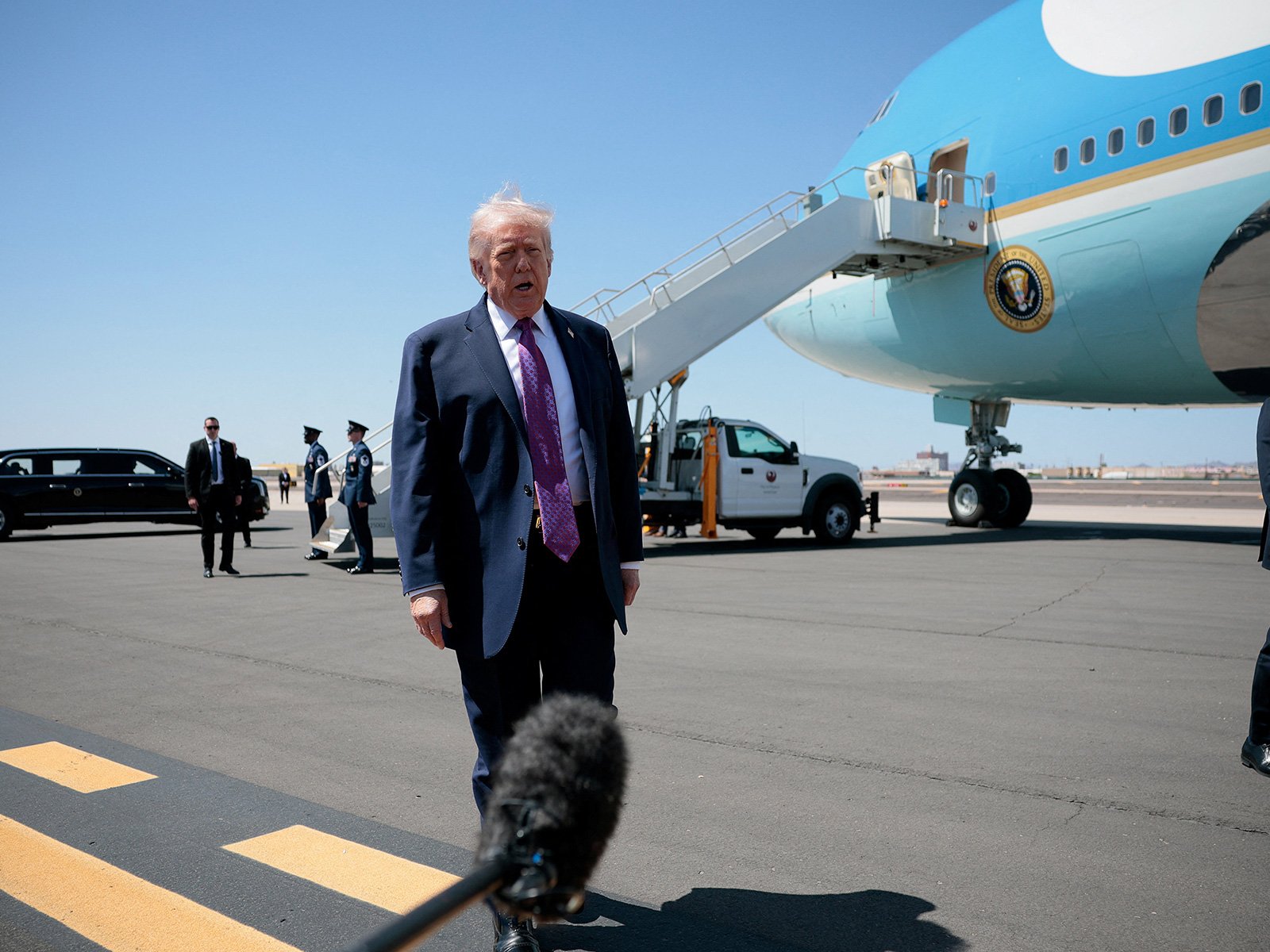
Washington, April 18, 2026 — Donald Trump has indicated that the United States may not extend the ongoing ceasefire with Iran, raising concerns about a possible return to military conflict in the region. His remarks have added fresh uncertainty to an already tense geopolitical situation in West Asia.
Trump’s Strong Warning on Ceasefire Extension
Speaking to reporters aboard Air Force One, Trump stated that the decision to extend the ceasefire would depend entirely on the outcome of ongoing negotiations. He made it clear that if no agreement is reached before the deadline, the ceasefire could end.
“Maybe I won’t extend it,” Trump said, signaling a firm stance. He also warned that military operations could resume if diplomatic efforts fail. His statement suggests that the current pause in hostilities remains fragile and conditional.
Naval Blockade to Continue Regardless
Trump confirmed that the United States will continue its naval blockade of Iranian ports, even if the ceasefire expires. This blockade plays a key role in restricting Iran’s economic and military movements.
The continued blockade indicates that Washington intends to maintain pressure on Tehran. Even during the ceasefire, the United States has not eased its strategic controls in the region.
Trump emphasized that the blockade would remain in force under all circumstances. This approach reflects a dual strategy—maintaining military pressure while allowing room for negotiations.
Ceasefire Deadline Approaches
The current ceasefire is set to expire on April 22, 2026. This two-week truce temporarily halted hostilities between the United States and Iran after weeks of escalating conflict.
As the deadline approaches, both nations face increasing pressure to reach a diplomatic solution. Failure to do so could result in renewed military action, which may further destabilize the region.
Trump’s remarks highlight the urgency of the situation. His warning suggests that the United States is prepared to act quickly if talks fail.
Fresh Diplomatic Talks in Islamabad
New negotiations between U.S. and Iranian officials are scheduled to take place in Islamabad. According to reports, delegations from both countries are expected to arrive in the Pakistani capital on Sunday, with formal talks beginning Monday.
These discussions aim to break the current deadlock and move toward a long-term agreement. Diplomats hope that this round of talks will produce meaningful progress.
The involvement of Pakistan as a mediator reflects its strategic role in regional diplomacy. Pakistan has positioned itself as a neutral facilitator between the two sides.
Background: Islamabad Peace Talks
The upcoming discussions follow the earlier Islamabad Peace Talks held between April 11 and April 12. These talks marked a historic moment, as they represented the first high-level, face-to-face negotiations between the United States and Iran since the Iranian Revolution.
Despite their significance, the earlier talks ended without a concrete agreement. Both sides remained divided on key issues, including sanctions, military presence, and regional influence.
The failure of those discussions has increased the stakes for the upcoming negotiations. Leaders now face mounting pressure to deliver results.
Rising Tensions in West Asia
The broader West Asia region remains highly volatile. Ongoing tensions involve multiple countries and complex political interests. Any escalation between the United States and Iran could have far-reaching consequences.
The conflict has already affected global energy markets, trade routes, and regional stability. Analysts warn that renewed hostilities could disrupt oil supply and increase geopolitical risks worldwide.
The Strait of Hormuz remains a critical flashpoint. This narrow passage handles a large share of global oil shipments. Any disruption here could trigger major economic impacts.
Strategic Pressure vs Diplomatic Solutions
The United States appears to be using a mix of military pressure and diplomatic engagement. By maintaining the blockade while participating in talks, Washington aims to push Iran toward a favorable agreement.
At the same time, Iran seeks relief from economic sanctions and greater regional autonomy. These conflicting priorities make negotiations complex and challenging.
Experts believe that both sides must compromise to avoid further conflict. However, Trump’s recent statements suggest that the U.S. may adopt a tougher stance if talks fail.
Global Implications of the Crisis
The outcome of the ceasefire decision will not only affect the United States and Iran but also have global consequences. Financial markets, oil prices, and international trade could all react to any escalation.
Countries that depend on Middle Eastern oil supplies are closely monitoring the situation. A breakdown in negotiations could lead to higher fuel prices and economic instability.
Global leaders have urged both sides to pursue peaceful solutions. Diplomatic efforts remain the best path to avoid further escalation.
What Lies Ahead?
With the ceasefire deadline just days away, all attention now turns to the upcoming talks in Islamabad. The success or failure of these negotiations will determine the next phase of the conflict.
If both sides reach an agreement, the ceasefire may continue, offering hope for long-term stability. However, if talks collapse, the region could face renewed military action.
Trump’s statement has made it clear that the United States is prepared for both outcomes. This uncertainty keeps global observers on edge.
The possibility of the United States not extending the Iran ceasefire has introduced new uncertainty into an already tense geopolitical landscape. While diplomatic talks offer a chance for resolution, the risk of renewed conflict remains high.
The coming days will prove critical. Decisions made now will shape the future of West Asia and influence global stability. The world watches closely as the United States and Iran navigate this निर्णायक moment.
About The Author