

 admin
admin 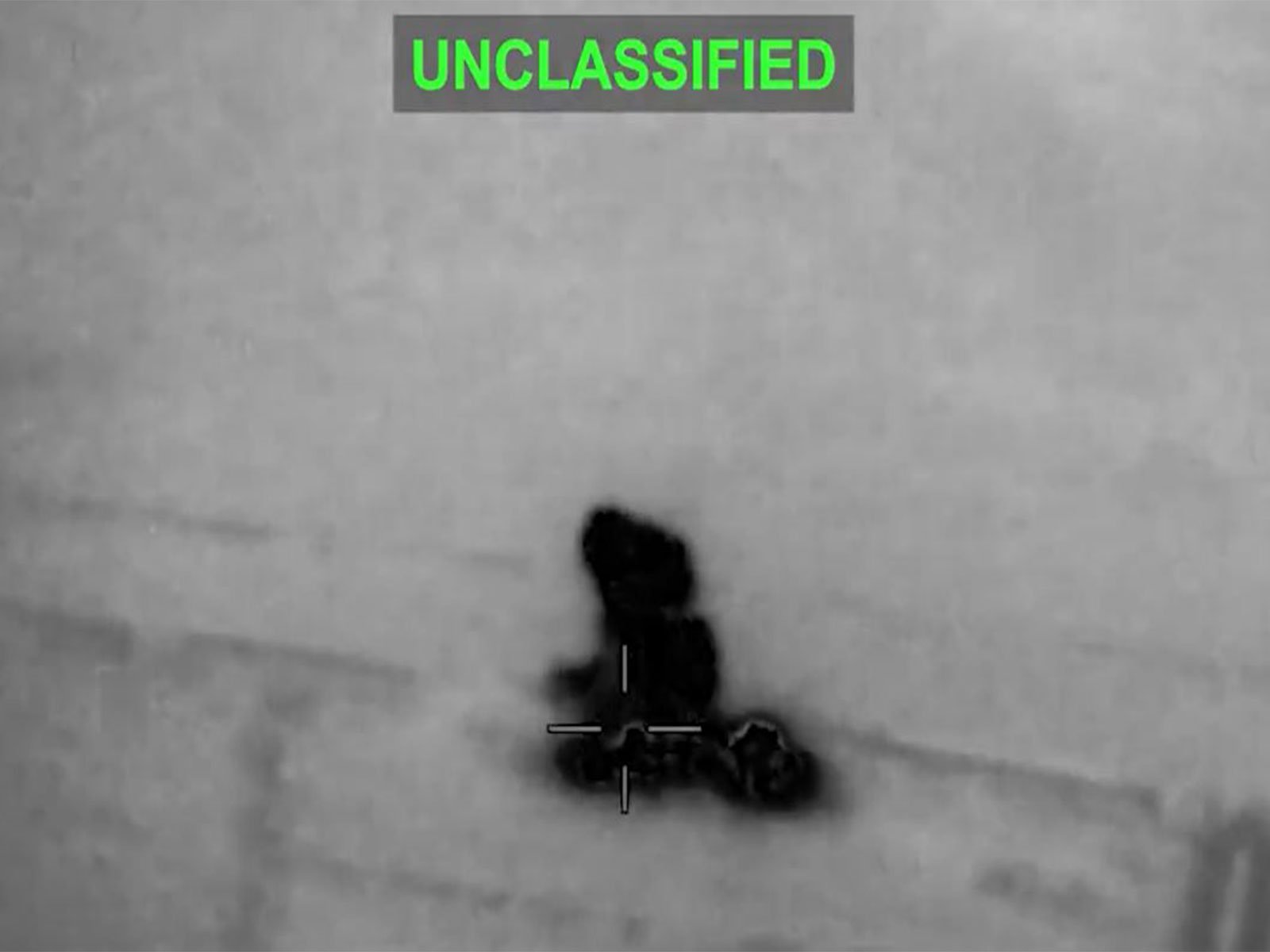
Florida [US], June 27: US CENTCOM Iran strikes have intensified tensions in West Asia after the United States launched military operations against Iranian missile and drone storage facilities. The US action came a day after Iran allegedly targeted a commercial cargo vessel transiting the strategically important Strait of Hormuz.
According to the United States Central Command (CENTCOM), the operation was carried out on June 26 following an Iranian drone attack on the Singapore-flagged cargo ship M/V Ever Lovely. The vessel was reportedly struck while exiting the Strait of Hormuz along the Omani coast.
The US military released video footage showing precision attacks on multiple Iranian military locations. The footage highlighted strikes on missile depots, drone storage facilities, and coastal radar installations believed to be connected to the attack on the commercial vessel.
CENTCOM stated that the US CENTCOM Iran strikes were intended as a direct response to what Washington described as an act of aggression against international maritime commerce. US CENTCOM Iran StrikesThe command accused Iran of violating an existing ceasefire arrangement and jeopardizing freedom of navigation through one of the world’s busiest shipping corridors.
Why the US CENTCOM Iran Strikes Were Conducted
According to CENTCOM, the commercial vessel M/V Ever Lovely was hit by a one-way attack drone launched by Iranian forces. The incident occurred while the cargo ship was passing through the Strait of Hormuz, a critical waterway through which a significant portion of global oil and trade shipments pass every day.
The US CENTCOM Iran strikes targeted infrastructure that American officials claim was directly linked to Iran’s drone and missile operations. The military emphasized that the action was defensive and aimed at preventing further attacks on commercial shipping.
US officials argued that maintaining safe passage through the Strait of Hormuz remains a priority for global economic stability. The waterway serves as a crucial route connecting Gulf nations with international markets, making any disruption a matter of global concern.
CENTCOM Releases Strike Footage
The video released by CENTCOM showed US CENTCOM Iran Strikes military aircraft conducting precision attacks on several locations inside Iran. Military analysts noted that the targeted facilities appeared to include missile storage bunkers, drone launch infrastructure, and coastal surveillance systems.
The US CENTCOM Iran strikes were described as carefully planned operations designed to degrade Iran’s ability to conduct future attacks against commercial vessels operating in the region.
CENTCOM further stated that American forces continue to coordinate with international shipping operators to ensure safe transit through the Strait of Hormuz. The command reaffirmed that US military assets remain deployed across the region and are prepared to respond to emerging threats.
US Accuses Iran of Violating Ceasefire
The United States claimed that the drone strike on M/V Ever Lovely represented a clear breach of the ceasefire agreement between Washington and Tehran.
According to CENTCOM, the attack endangered civilian maritime traffic and threatened the stability of international trade routes. Officials stressed that the US CENTCOM Iran strikes were conducted to enforce adherence to existing agreements and preserve maritime security.
American military leaders emphasized that freedom of navigation remains a core principle of international law. Any attack on commercial shipping, they argued, requires an appropriate response to prevent escalation and ensure the safety of vessels transiting international waters.
Iran Responds to US Military Action
Following the US CENTCOM Iran strikes, Iran’s Islamic Revolutionary Guard Corps (IRGC) announced retaliatory operations against US military positions in West Asia.
In a statement carried by Iranian state media, the IRGC accused Washington of breaching commitments outlined in a 14-point memorandum of understanding designed to reduce regional hostilities.
Iranian officials argued that the US military operation violated agreed-upon arrangements governing activity in and around the Strait of Hormuz. The IRGC claimed that the United States acted under false pretenses and interfered with mechanisms intended to regulate maritime traffic in the region.
The Iranian military stated that its response targeted what it described as American military positions and warned that any future violations would trigger stronger retaliatory measures.
Strategic Importance of the Strait of Hormuz
The Strait of Hormuz remains one of the most strategically significant waterways in the world. Located between Iran and Oman, the narrow passage serves as a gateway for energy exports from Gulf nations to global markets.
Security incidents in the area often attract international attention due to their potential impact on oil prices, shipping costs, and regional stability. The latest US CENTCOM Iran strikes have renewed concerns about the possibility of further escalation in the region.
Analysts note that any prolonged disruption to shipping through the Strait of Hormuz could affect global supply chains and energy markets. As a result, international stakeholders continue to monitor developments closely.
Rising Regional Tensions
The latest exchange between Washington and Tehran highlights the fragile security situation in West Asia. While both sides have previously expressed support for de-escalation efforts, the recent incidents demonstrate how quickly tensions can rise following attacks on strategic assets and commercial infrastructure.
The US CENTCOM Iran strikes mark one of the most significant military responses since recent efforts to reduce hostilities between the two countries. With both nations accusing each other of violating agreements, diplomatic observers fear that additional confrontations could further destabilize the region.
For now, US military forces remain on high alert, while Iran has signaled its readiness to respond to any future actions. The situation continues to evolve as international leaders call for restraint and renewed diplomatic engagement.
As global attention remains focused on the Strait of Hormuz, the consequences of the US CENTCOM Iran strikes could shape regional security dynamics and maritime operations in the months ahead.
About The Author