
US-Iran Ceasefire Deadline Nears: Internal Divisions in Iran Leadership Raise Concerns Over Peace Deal
 admin
admin 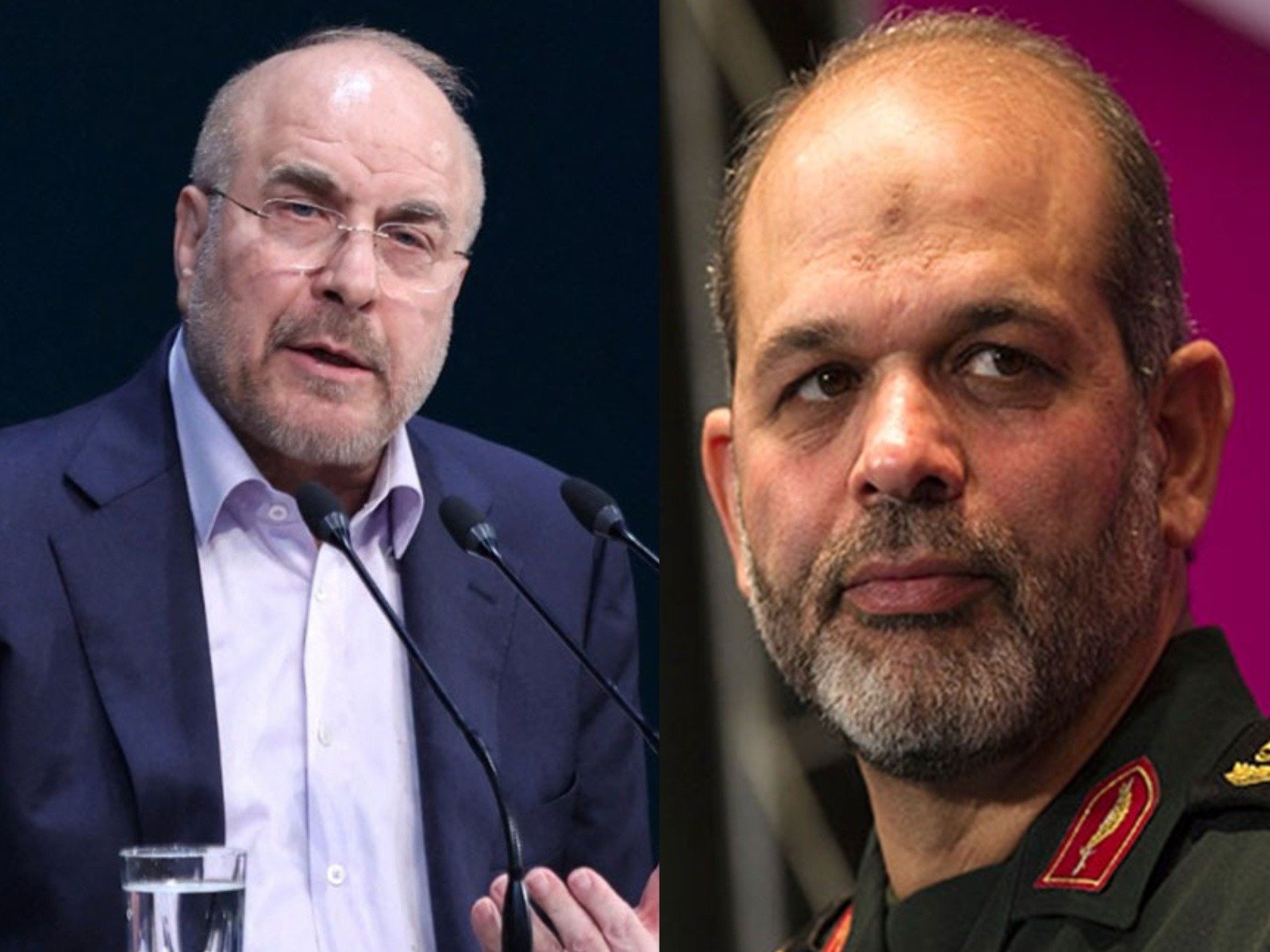
Washington DC, April 21 : Tensions between the United States and Iran are rising as the ceasefire deadline approaches. A new report by the Institute for the Study of War (ISW) highlights serious divisions within Iran’s leadership. These internal conflicts may affect the outcome of the upcoming talks in Islamabad.
Leadership Clash Inside Iran
The ISW report points to a clear divide within Iran’s power structure. Mohammad Bagher Ghalibaf supports diplomatic talks with the United States. He believes negotiations can reduce pressure on Iran and stabilize the situation.
However, Ahmad Vahidi strongly opposes this approach. He represents the hardline faction within Iran’s leadership. He does not support negotiations under current conditions.
This disagreement reflects a deeper ideological split. One side prefers diplomacy. The other side favors resistance and strategic pressure.
Rising Influence of Hardliners
The report shows that Ahmad Vahidi’s influence has grown significantly. He reportedly has direct access to Mojtaba Khamenei. This access gives him an advantage in shaping key decisions.
He acts as a bridge between top leadership and other officials. Many Iranian leaders cannot directly contact Mojtaba Khamenei. This creates delays in decision-making. It also complicates negotiations with the United States.
As a result, hardliners now hold stronger control over both military and diplomatic strategies.
Political Pressure on Ghalibaf
Ghalibaf faces increasing political pressure. His push for diplomacy carries risks. If talks fail, his position could weaken.
The ISW report suggests that he wants to protect his political standing. He also wants to maintain credibility among moderate factions. However, failure in negotiations could damage his influence.
If hardliners gain full control, leadership changes may follow. This shift would strengthen the IRGC’s role in governance. It would also reduce chances of future negotiations.
Islamabad Talks: A Critical Moment
Officials from both countries will meet in Islamabad for the next round of talks. These discussions are crucial. They may decide whether the ceasefire continues.
Both sides have kept their positions firm. The United States claims it has offered a fair deal. Iran refuses to negotiate under pressure.
This deadlock increases uncertainty. It also raises concerns about possible escalation.
US Naval Blockade Intensifies Pressure
The United States Navy continues to enforce a naval blockade on Iranian ports. This move adds pressure on Tehran.
US forces have redirected several vessels. They have also stopped Iranian-linked ships from crossing restricted areas. These actions have increased tensions between both countries.
Iran strongly criticizes the blockade. Officials say it violates the ceasefire agreement. A recent incident involving the seizure of the Iranian vessel Touska has worsened the situation.
Tehran views this action as aggressive. It has warned of consequences if such actions continue.
Iran Targets Control Over Key Waterway
Iran is now focusing on the Strait of Hormuz. This route is vital for global oil transport.
Iranian lawmakers are preparing a new bill. The bill aims to control movement through the strait. It may block vessels linked to Israel. It may also restrict ships from countries seen as hostile.
The proposal includes strict conditions. Some vessels may need approval from Iran’s Supreme National Security Council. Others may face a complete ban until reparations are paid.
These measures could disrupt global trade. Many countries depend on this route for energy supplies.
Risk of Military Escalation
The situation remains highly unstable. The ceasefire will expire soon. If talks fail, tensions may turn into direct conflict.
Experts warn about possible infrastructure attacks. Key targets could include ports, oil facilities, and shipping routes. Such actions would have global consequences.
The current stalemate shows no clear solution. Internal divisions in Iran make decisions slower and more complex.
Global Impact and Economic Concerns
The conflict affects more than just the region. Global markets are closely watching developments. Any disruption in oil supply could increase prices worldwide.
The Strait of Hormuz plays a critical role in energy trade. Even small disruptions can impact economies. Countries that rely on oil imports may face serious challenges.
Political instability in Iran adds more uncertainty. Leadership changes could shift foreign policy. A stronger hardline stance may reduce chances of future peace talks.
Diplomatic Uncertainty Ahead
The upcoming Islamabad talks remain the last major opportunity for diplomacy. Both sides must find common ground quickly. However, current signals suggest limited progress.
Iran refuses to negotiate under pressure. The United States continues its military strategy. This gap makes agreement difficult.
Internal power struggles in Iran further complicate the process. Different factions hold different priorities. This slows decision-making and weakens negotiation strength.
Conclusion
The ceasefire deadline between the United States and Iran is approaching fast. The situation remains tense and unpredictable. Internal divisions within Iran have added new challenges.
The Islamabad talks may decide the next phase of this conflict. A successful agreement could prevent escalation. Failure could lead to serious consequences.
Global attention now focuses on these negotiations. The coming days will shape regional stability and international relations. The outcome will also impact global trade and energy markets.
About The Author