
US-Iran Peace Deal Welcomed Worldwide as Historic Breakthrough for Regional Stability and Economic Recovery
 admin
admin 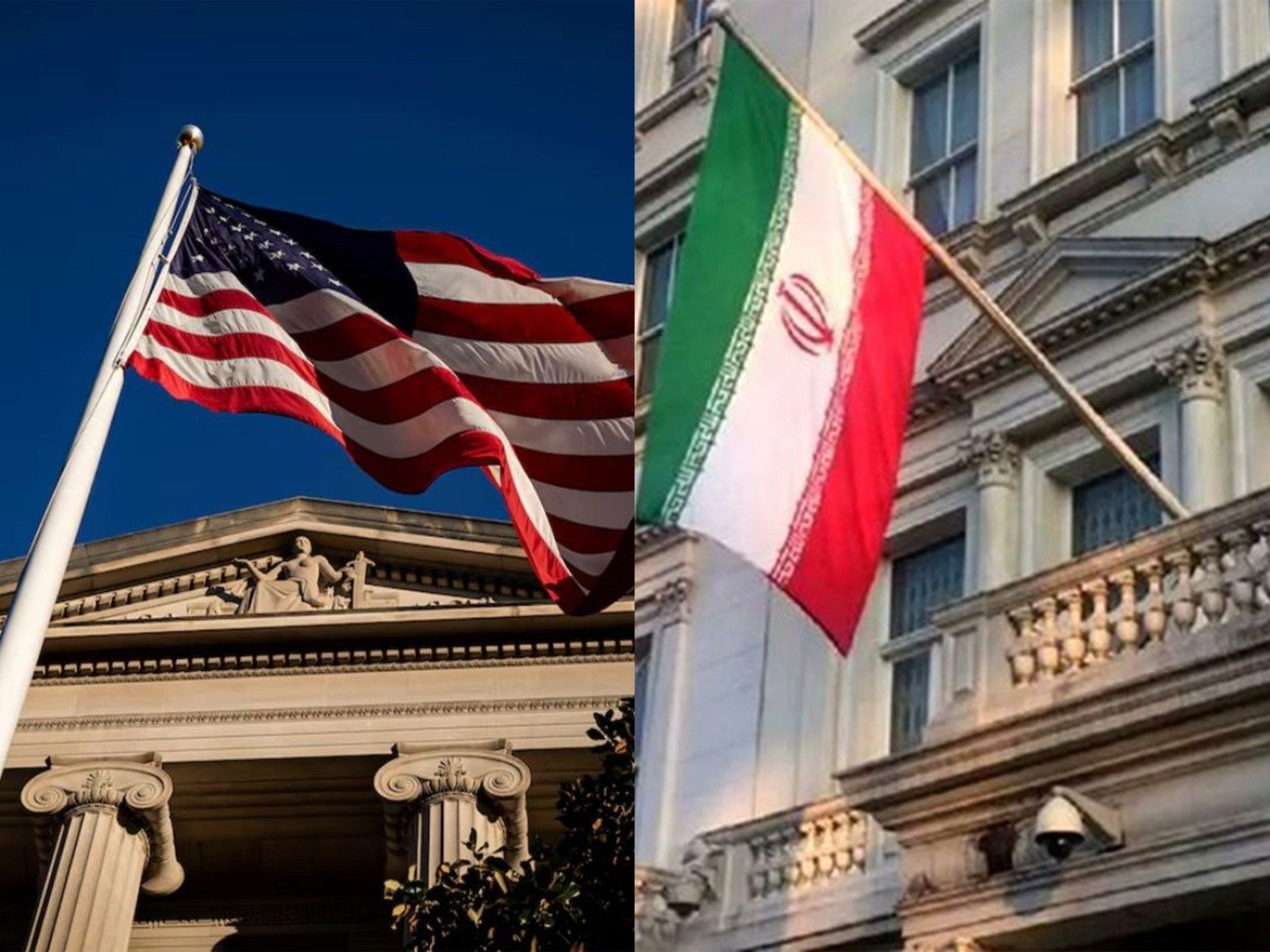
US-Iran Peace Deal Marks a New Chapter in West Asia
The recently announced US-Iran Peace Deal has been welcomed by world leaders as a historic diplomatic breakthrough that could transform the geopolitical landscape of West Asia. The agreement, announced by United States President Donald Trump and supported by international mediators led by Pakistan, has generated optimism across the globe.
The US-Iran Peace Deal comes after months of heightened tensions, military confrontations, and economic disruptions that affected not only the Middle East but also global trade and energy markets. Leaders from Qatar, Türkiye, the United Kingdom, Germany, France, and several other nations have praised the agreement and expressed hope that it will bring long-term peace and stability to the region.
Analysts believe the US-Iran Peace Deal could significantly reduce the risk of future conflicts, reopen critical trade routes, and restore investor confidence in regional markets.
International Community Applauds the US-Iran Peace Deal
The announcement of the US-Iran Peace Deal received widespread support from governments around the world. Many leaders described it as one of the most significant diplomatic achievements in recent years.
Qatar’s Prime Minister Sheikh Mohammed bin Abdulrahman bin Jassim Al Thani welcomed the agreement and expressed confidence that future negotiations would proceed in a positive and constructive manner. Qatar’s Ministry of Foreign Affairs described the US-Iran Peace Deal as an important step toward sustainable peace and economic growth.
Türkiye’s President Recep Tayyip Erdogan also praised the agreement, stating that the US-Iran Peace Deal could help establish lasting peace and security throughout the region. Erdogan emphasized the importance of diplomacy and warned against any actions that might undermine the progress achieved.
United Kingdom Supports the US-Iran Peace Deal
UK Prime Minister Keir Starmer called the US-Iran Peace Deal a hugely important step toward ending regional conflict and restoring stability. He highlighted the potential benefits of reopening the Strait of Hormuz, one of the world’s most critical maritime trade routes.
According to Starmer, the US-Iran Peace Deal demonstrates the effectiveness of international diplomacy and cooperation. He congratulated President Trump and the mediators from Pakistan, Qatar, and other participating countries for helping secure the breakthrough.
The United Kingdom has also expressed its willingness to assist with technical negotiations and maritime security operations to ensure the successful implementation of the US-Iran Peace Deal.
Germany and France Welcome the US-Iran Peace Deal
German Chancellor Friedrich Merz described the US-Iran Peace Deal as a diplomatic achievement with far-reaching global consequences. He noted that the agreement could contribute to a stronger global economy and a safer Middle East.
Merz stated that the US-Iran Peace Deal offers an opportunity to reduce uncertainty in international markets while encouraging regional cooperation. Germany has long advocated for diplomatic solutions to conflicts involving Iran and the United States.
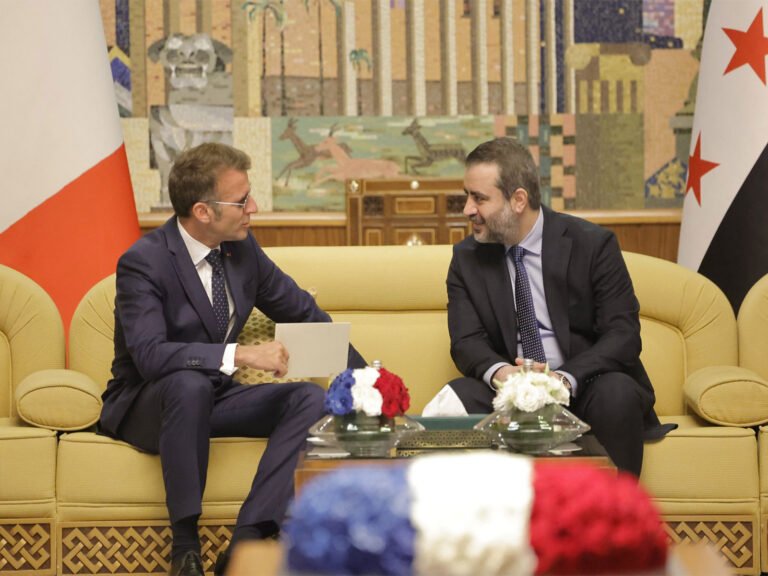
French President Emmanuel Macron also praised the US-Iran Peace Deal and called for its rapid implementation. Macron emphasized the importance of reopening the Strait of Hormuz without restrictions and ensuring the free flow of international trade.
France believes the US-Iran Peace Deal could create a foundation for broader discussions concerning regional security, nuclear issues, and economic cooperation.
Pakistan’s Role in Facilitating the US-Iran Peace Deal
Pakistan played a crucial role in facilitating negotiations that eventually led to the US-Iran Peace Deal. Prime Minister Shehbaz Sharif announced that extensive diplomatic efforts and behind-the-scenes discussions helped bridge differences between the two sides.
Sharif confirmed that both countries had agreed to permanently end military operations and work toward peaceful coexistence. The official signing ceremony for the US-Iran Peace Deal is expected to take place in Switzerland, marking a significant milestone in international diplomacy.
Pakistan’s successful mediation efforts have earned praise from global leaders who view the country as a key contributor to regional peace initiatives.
Economic Impact of the US-Iran Peace Deal
One of the most significant aspects of the US-Iran Peace Deal is its potential economic impact. Global markets have been closely monitoring developments in the Middle East due to concerns over energy supplies and trade disruptions.
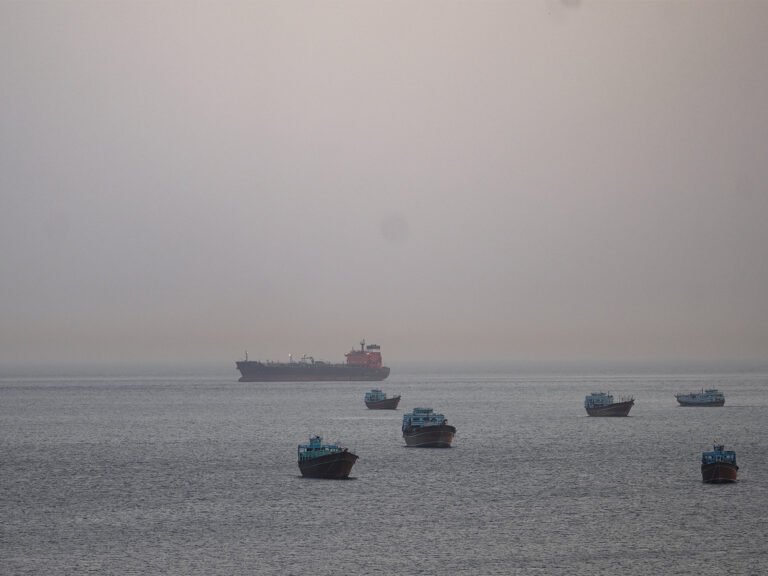
The Strait of Hormuz serves as a critical passage for a large portion of the world’s oil exports. Any instability in the region can lead to higher oil prices, increased shipping costs, and broader economic uncertainty.
Experts believe the US-Iran Peace Deal could help stabilize energy markets and encourage greater investment in regional economies. Lower geopolitical tensions often lead to improved investor confidence, increased trade activity, and stronger economic growth.
Businesses worldwide are expected to benefit from the reduced risk associated with shipping routes that pass through the Persian Gulf.
Reopening the Strait of Hormuz
A major objective of the US-Iran Peace Deal is the reopening and protection of the Strait of Hormuz. This strategic waterway is essential for international commerce and energy transportation.
For months, concerns about military confrontations in the area created uncertainty for shipping companies and global markets. The successful implementation of the US-Iran Peace Deal is expected to restore normal maritime operations and reduce insurance costs for vessels operating in the region.
Industry experts have welcomed the agreement, noting that uninterrupted access to the Strait of Hormuz is vital for maintaining global economic stability.
Diplomatic Significance of the US-Iran Peace Deal
The US-Iran Peace Deal represents more than just an agreement between two nations. It symbolizes the power of diplomacy in resolving complex international disputes.
For decades, relations between the United States and Iran have been characterized by mistrust, sanctions, and political disagreements. The successful negotiation of the US-Iran Peace Deal demonstrates that dialogue remains a viable path toward conflict resolution.
International organizations and diplomatic experts have described the agreement as a model for future peace initiatives involving countries with long-standing differences.
The deal also highlights the importance of multilateral cooperation, with countries such as Pakistan, Qatar, Saudi Arabia, and Türkiye playing significant roles in facilitating communication between the parties.
Challenges Ahead for the US-Iran Peace Deal
Despite the optimism surrounding the several challenges remain. Successful implementation will require ongoing commitment from both sides as well as continued support from international partners.
Technical negotiations, verification mechanisms, and confidence-building measures will be essential to maintaining progress. Any misunderstandings or violations could potentially undermine the agreement.
Political analysts have cautioned that the success of the depends on transparency, trust-building, and sustained diplomatic engagement.
Both governments will need to address domestic political concerns while ensuring that commitments made under the agreement are honored.
Global Reactions Continue to Pour In
As news of the spreads, governments, businesses, and international organizations continue to express support for the agreement.
Many experts believe the deal could serve as a catalyst for broader regional cooperation, encouraging dialogue on issues such as security, trade, infrastructure development, and environmental sustainability.
The positive response to the reflects a shared desire among nations to reduce tensions and create conditions that support economic prosperity and regional stability.
Future Prospects Following the US-Iran Peace Deal
The coming weeks will be critical for the implementation of the US-Iran Peace Deal. Pre-implementation meetings and technical discussions are expected to establish the framework necessary for long-term success.
Observers remain hopeful that the agreement will not only prevent future conflicts but also encourage broader diplomatic engagement across the Middle East. Increased cooperation between regional and international stakeholders could create new opportunities for economic growth and security.
The deal has already been described as one of the most significant diplomatic developments of the year. If fully implemented, it could reshape regional dynamics and contribute to a more peaceful and prosperous future.
It has been welcomed worldwide as a landmark diplomatic achievement with the potential to transform West Asia and strengthen global economic stability. Supported by mediators including Pakistan, Qatar, and Türkiye, the agreement has received praise from major world leaders and international stakeholders.
With plans underway for formal signing and implementation, the US-Iran Peace Deal offers hope for reduced tensions, reopened trade routes, stronger economic cooperation, and long-term regional peace. While challenges remain, the overwhelming international support for the agreement reflects a shared commitment to diplomacy and peaceful conflict resolution.
As the world watches the next phase of negotiations unfold, the US-Iran Peace Deal stands as a powerful reminder that dialogue and cooperation can pave the way toward a more stable and prosperous future.
About The Author