
 admin
admin 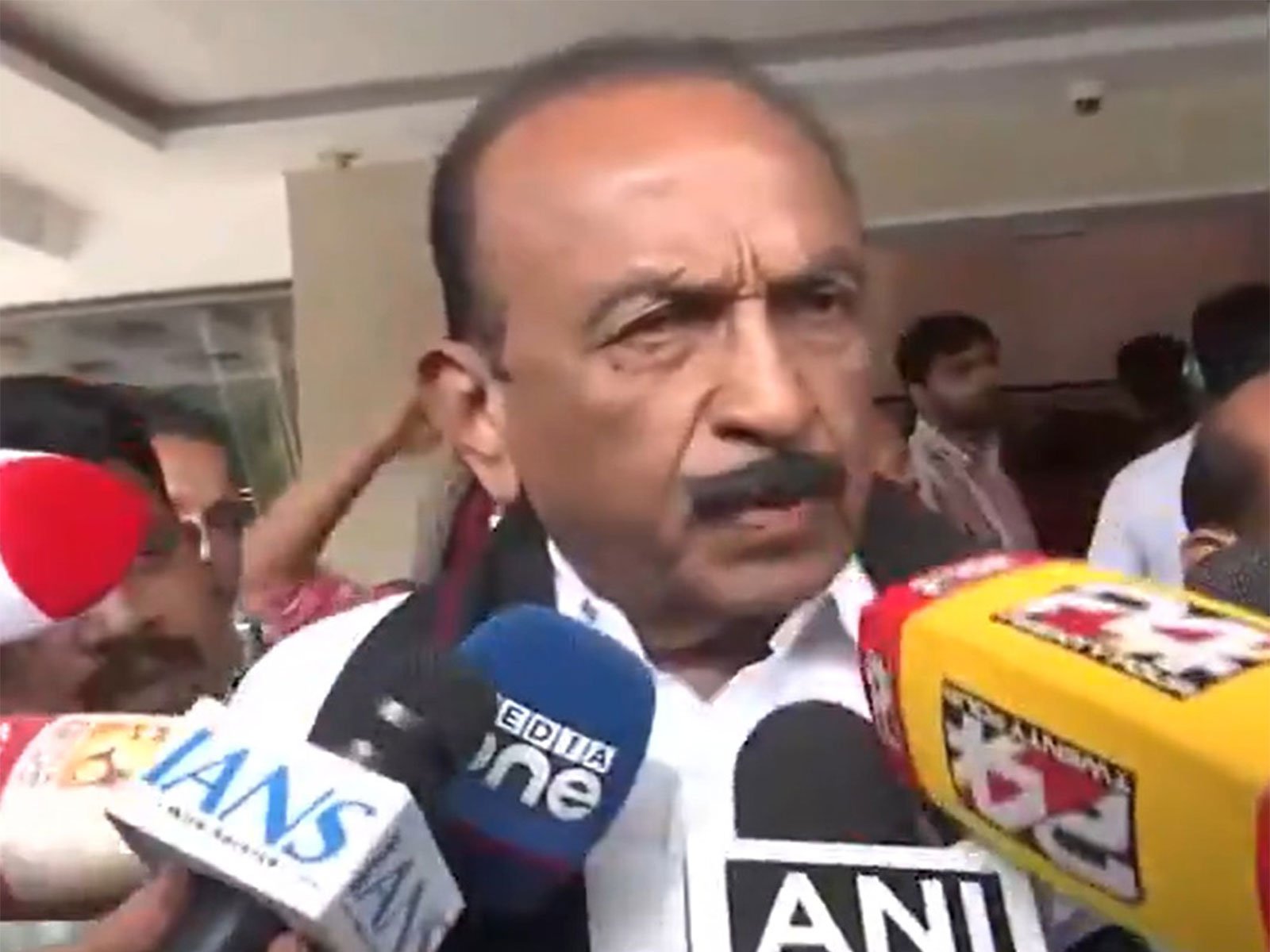
The long-running Sterlite plant controversy has once again returned to the center of Tamil Nadu’s political and environmental debate after MDMK General Secretary Vaiko urged Chief Minister Joseph Vijay to permanently block any attempt to reopen the copper smelting facility in Thoothukudi. The issue, which has been politically sensitive for years, continues to evoke strong reactions from leaders, activists, and local communities.
Vaiko Raises Strong Opposition in Meeting with CM
Veteran leader Vaiko met Tamil Nadu Chief Minister Joseph Vijay at the Secretariat in Chennai, where he submitted a detailed memorandum addressing multiple public interest concerns. However, the central focus of the discussion remained the Sterlite plant controversy, which Vaiko described as a matter of long-standing public concern rather than a routine industrial issue.
During the meeting, Vaiko strongly opposed any move to restart the plant, warning that there are attempts to reintroduce the project under a different name such as “Green Copper.” He insisted that renaming the facility does not change its environmental history or public perception.
According to Vaiko, the government must ensure that the Sterlite plant controversy is resolved permanently by preventing any future attempts at revival.
Background of the Sterlite Plant Controversy
The Sterlite plant controversy revolves around the copper smelting unit located in Thoothukudi, Tamil Nadu, which has faced repeated allegations of environmental pollution, health hazards, and violation of regulatory norms. Over the years, the plant became a symbol of conflict between industrial development and environmental protection.
Protests against the facility intensified as residents raised concerns about air pollution, water contamination, and long-term health impacts. The situation escalated into one of the most widely discussed industrial disputes in the country.
The Sterlite plant controversy gained national attention after large-scale protests and legal battles led to shutdown orders in the past. Since then, discussions about reopening the plant have repeatedly surfaced, triggering fresh waves of opposition.
Concerns Over Rebranding Attempts
One of the key issues highlighted by Vaiko is the reported attempt to restart operations under a new identity. He cautioned that changing the name to “Green Copper” or any similar branding strategy would not address the core concerns that led to the Sterlite plant controversy in the first place.
He argued that such rebranding efforts could mislead the public and undermine years of activism and legal scrutiny. According to him, the environmental and social consequences associated with the plant cannot be erased through cosmetic changes.
Vaiko emphasized that the government must take a firm stand and ensure that the Sterlite plant controversy does not re-emerge in any disguised form.
Environmental and Social Impact
Environmental activists have long argued that the Sterlite facility contributed to air and soil pollution in surrounding regions. Residents in Thoothukudi have expressed concerns about respiratory illnesses, groundwater contamination, and the long-term ecological impact of industrial emissions.
The Sterlite plant controversy has also highlighted the broader issue of balancing industrial growth with environmental sustainability. While industries contribute to economic development and employment, critics argue that such benefits should not come at the cost of public health.
Local communities have consistently demanded stricter environmental safeguards and permanent closure of high-pollution industries like the Sterlite plant.
Political Dimensions of the Issue
The Sterlite plant controversy is not only an environmental issue but also a significant political matter in Tamil Nadu. Over the years, different political parties have taken varying positions on the plant, reflecting broader ideological differences on industrial policy and environmental regulation.
Vaiko’s consistent opposition has made him one of the most vocal critics of the project. His recent meeting with the Chief Minister reinforces the continued political sensitivity surrounding the issue.
Even as governments change, the Sterlite plant controversy remains a recurring topic in political debates, election campaigns, and policy discussions.
Government’s Position and Public Expectations
During the meeting, Vaiko reportedly discussed several governance-related issues with the Chief Minister, but the Sterlite matter remained the most critical. While he praised certain aspects of the current administration, he maintained that the Sterlite plant controversy must be addressed decisively.
Chief Minister Joseph Vijay is yet to make a public statement regarding the latest demand to permanently block any reopening proposal. However, the issue is expected to be carefully evaluated due to its environmental sensitivity and political implications.
Public expectations remain divided. While some sections support industrial revival for economic reasons, many others demand that the Sterlite plant controversy be resolved in favor of permanent closure.
Public Sentiment in Thoothukudi
In Thoothukudi and nearby regions, the memory of protests and shutdowns remains strong. Many residents associate the plant with years of agitation and legal disputes. For them, the Sterlite plant controversy represents not just an industrial debate but also a matter of community identity and environmental justice.
Local groups continue to advocate for sustainable development models that prioritize health and environmental protection over heavy industrial expansion. The demand for accountability and long-term ecological restoration remains strong.
Legal and Regulatory Challenges
The Sterlite plant controversy has also involved multiple legal proceedings, including environmental clearances, regulatory compliance reviews, and court interventions. These legal complexities have contributed to delays and uncertainty regarding the plant’s future.
Regulatory authorities have previously imposed restrictions based on environmental concerns, further intensifying debates over whether reopening should be allowed at all.
Future Outlook
The future of the Sterlite plant controversy remains uncertain as discussions between political leaders, activists, and government officials continue. Vaiko’s renewed opposition signals that resistance to reopening remains strong within political circles.
As Tamil Nadu weighs its options, the decision will likely involve balancing economic considerations with environmental responsibility. The outcome of this debate will have long-term implications for industrial policy in the state.
The Sterlite plant controversy continues to be one of the most significant environmental and political issues in Tamil Nadu. Vaiko’s recent appeal to Chief Minister Joseph Vijay highlights the ongoing tensions surrounding the project and the challenges involved in finding a permanent resolution.
With strong opposition from political leaders and civil society groups, the future of the Sterlite plant remains uncertain. What is clear, however, is that the Sterlite plant controversy will continue to shape discussions on development, environment, and governance in Tamil Nadu for years to come.
About The Author