

 admin
admin 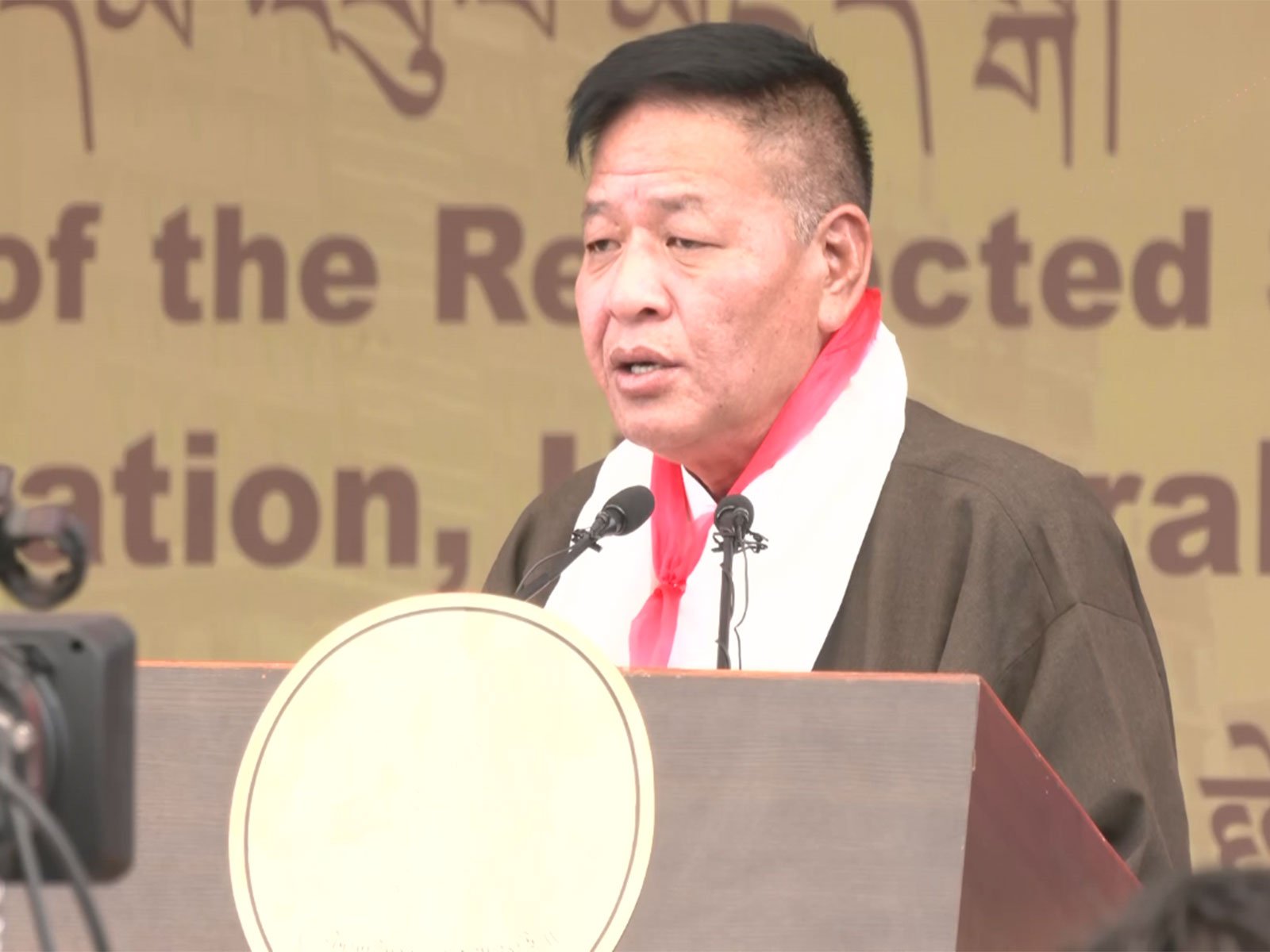
Dharamshala: Tibetan Leadership Raises Alarm
The China Ethnic Unity and Progress Law has become a major point of concern for Tibetan leaders and human rights advocates worldwide. The legislation, which came into effect on July 1, 2026, has prompted strong reactions from the Central Tibetan Administration (CTA), with Sikyong Penpa Tsering issuing an urgent appeal to governments, policymakers, think tanks, and non-governmental organizations across the globe.
Speaking from Dharamshala, the headquarters of the Tibetan government-in-exile, Sikyong Penpa Tsering warned that the China Ethnic Unity and Progress Law could have far-reaching consequences for Tibetans and other ethnic minorities living under Chinese rule.
According to Tibetan representatives, the law is being presented by Beijing as a measure to promote national unity and social harmony. However, critics argue that the China Ethnic Unity and Progress Law could instead create a legal framework that accelerates cultural assimilation and weakens the unique identities of minority communities.
What Is the China Ethnic Unity and Progress Law?
The China Ethnic Unity and Progress Law is a new piece of legislation introduced by the People’s Republic of China. Chinese authorities describe the law as an initiative aimed at strengthening ethnic unity, national integration, and social stability.
However, Tibetan leaders claim that the China Ethnic Unity and Progress Law goes beyond administrative governance and could impact language education, religious practices, cultural traditions, and community identity. The legislation is expected to influence policies in Tibet, Xinjiang, and other regions populated by ethnic minority groups.
Observers note that the implementation of the China Ethnic Unity and Progress Law will be closely monitored by international organizations concerned with cultural preservation and minority rights.
Sikyong Penpa Tsering Calls for Global Attention
In his appeal, Sikyong Penpa Tsering urged democratic governments and international institutions to carefully examine the implications of the China Ethnic Unity and Progress Law.
Addressing media persons in Dharamshala, he emphasized the need to raise awareness about what he described as the long-term impact of the legislation on Tibetans, Uyghurs, and other minority communities.
According to the Tibetan leader, the China Ethnic Unity and Progress Law may encourage the broader use of Mandarin Chinese at the expense of local languages. He argued that language plays a central role in preserving cultural heritage and community identity.
Tsering stated that international engagement would be necessary to challenge narratives surrounding the China Ethnic Unity and Progress Law and ensure that minority rights remain part of global discussions.
Concerns Over Tibetan Language and Culture
One of the strongest criticisms of the China Ethnic Unity and Progress Law relates to its potential impact on Tibetan language and culture.
Tibetan representatives believe that the law could lead to increased pressure on educational institutions to prioritize Mandarin Chinese. Critics argue that such measures may reduce opportunities for younger generations to learn and use the Tibetan language in schools and public life.
The China Ethnic Unity and Progress Law has also raised concerns regarding the preservation of traditional customs, cultural practices, and historical identity. Tibetan advocacy groups warn that continued implementation could gradually reduce the visibility of Tibetan heritage.
Many experts consider language preservation to be a key factor in protecting cultural diversity. As a result, the China Ethnic Unity and Progress Law has become a focal point in discussions about cultural rights and identity.
Religious Freedom Concerns
Religious freedom is another area highlighted by critics of the China Ethnic Unity and Progress Law.
Tibetan Buddhism remains an essential aspect of Tibetan identity, and community leaders fear that increased state oversight could affect religious institutions and practices. According to Tibetan officials, the China Ethnic Unity and Progress Law may contribute to broader efforts aimed at aligning religious activities with state-defined objectives.
Human rights advocates have repeatedly emphasized the importance of protecting freedom of belief and religious expression. The implementation of the China Ethnic Unity and Progress Law is therefore expected to attract attention from international organizations monitoring religious rights.
International Campaign Planned
The Central Tibetan Administration has announced plans to expand its international outreach efforts regarding the China Ethnic Unity and Progress Law.
Sikyong Penpa Tsering said Tibetan representatives would engage with foreign ministries, parliamentarians, human rights groups, and civil society organizations. Press conferences, awareness campaigns, demonstrations, and public discussions are expected to be organized in multiple countries.
The goal of these initiatives is to ensure that policymakers understand the concerns surrounding the China Ethnic Unity and Progress Law and its possible impact on minority communities.
Tibetan organizations also hope to gather statements of support from global leaders and institutions committed to protecting cultural and religious freedoms.
Future Implications of the Law
While the China Ethnic Unity and Progress Law officially took effect on July 1, Tibetan leaders believe that its long-term consequences will become clearer only after implementation progresses.
Sikyong Penpa Tsering acknowledged that developing a response strategy would require careful assessment and consultation. He noted that policymakers and advocacy groups must evaluate how the China Ethnic Unity and Progress Law is applied in practice before proposing detailed countermeasures.
Analysts suggest that the law could become an important topic in future international discussions on human rights, cultural preservation, and minority protections.
The introduction of the China Ethnic Unity and Progress Law has generated significant debate among Tibetan leaders, human rights advocates, and international observers. While Chinese authorities describe the legislation as a tool for national unity, critics argue that it could undermine the cultural, linguistic, and religious identities of minority communities.
Through a global appeal, Sikyong Penpa Tsering has called on governments, organizations, and civil society groups to closely monitor the implementation of the China Ethnic Unity and Progress Law. As awareness campaigns, diplomatic outreach, and advocacy efforts continue, the law is likely to remain at the center of discussions concerning Tibet, minority rights, and cultural preservation in the years ahead.
About The Author