

 admin
admin 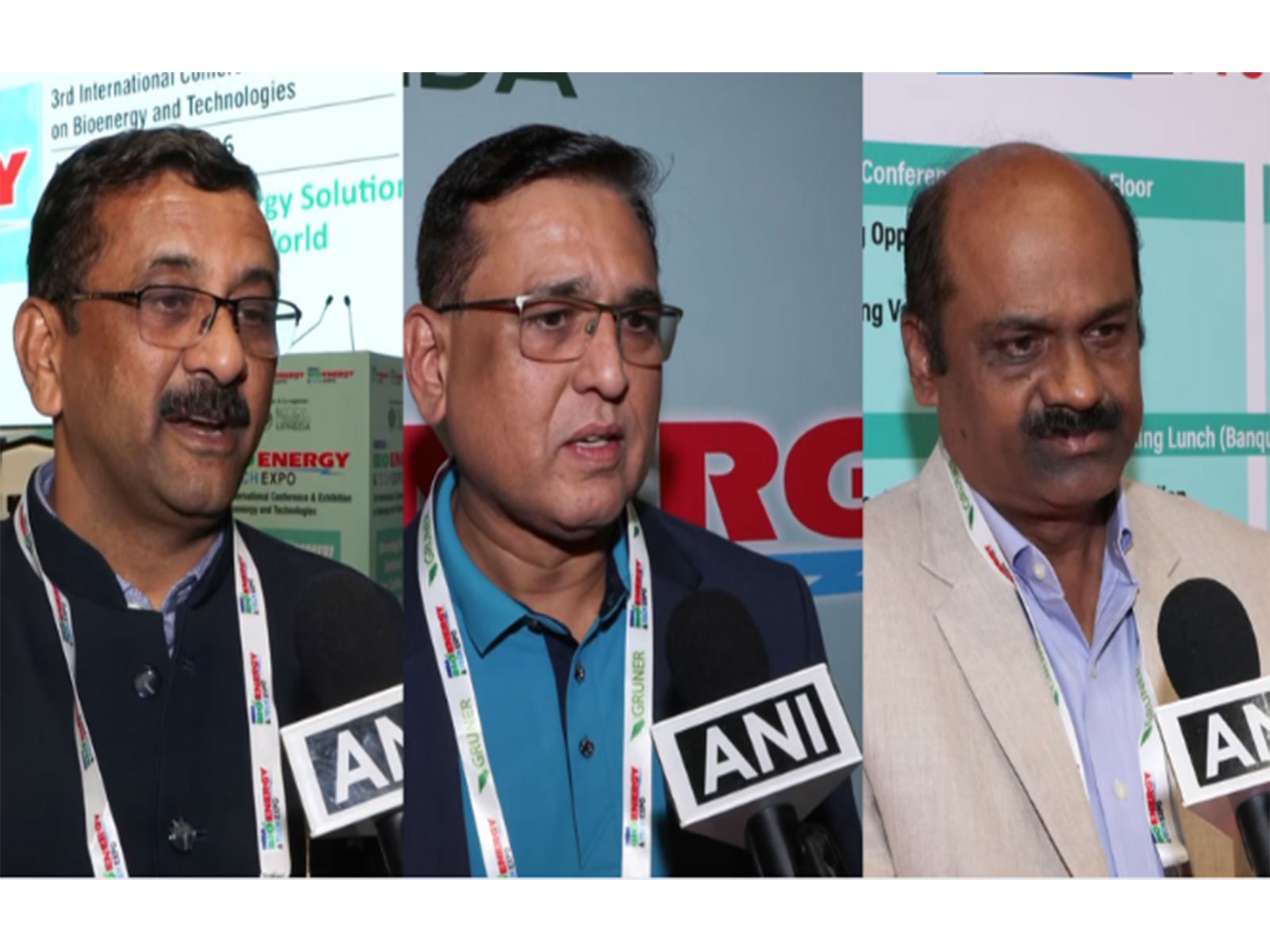
India’s bioenergy sector is preparing for a major expansion, with the government targeting 5,000 CBG plants across the country by 2030. The ambitious target is aimed at increasing the production of compressed biogas (CBG), encouraging the use of agricultural resources and reducing India’s dependence on imported fossil fuels.
According to Atul Mohod, Director General of the Sardar Swaran Singh National Institute of Bio-Energy (SSS-NIBE), 132 CBG plants are currently operational with central financial assistance, while around 240 additional facilities are under construction.
The expansion of CBG plants is being linked to India’s broader development and sustainability objectives, including the vision of a developed India by 2047 and the country’s target of achieving net-zero emissions by 2070.
India Targets 5,000 CBG Plants by 2030
The government’s target of establishing 5,000 CBG plants by 2030 represents a significant expansion of India’s bioenergy infrastructure.
CBG is produced by processing organic material and biomass through anaerobic digestion. The resulting biogas can be purified and compressed for use as a fuel, providing an alternative to conventional natural gas and other fossil fuels.
Atul Mohod said the government has set the target of 5,000 plants across India. He also highlighted the potential for larger-scale CBG production to contribute to lower costs as technology improves and production capacity increases.
The expansion could also create opportunities for farmers, technology providers, waste-management companies and energy businesses involved in the bioenergy supply chain.
Current CBG Infrastructure Expanding
India’s existing network of CBG plants is already expanding. According to Mohod, 132 plants are currently operational with central financial assistance, while approximately 240 are under construction.
The number of facilities under development indicates growing interest in the sector and the potential for CBG to become a more important component of India’s energy mix.
Increasing production capacity could help create a stronger domestic ecosystem for collecting biomass, processing organic waste and converting agricultural resources into usable energy.
It could also help address two challenges simultaneously: managing agricultural and organic waste while producing cleaner forms of energy.
Domestic Technology Could Strengthen Bioenergy
The expansion of CBG plants is also increasing demand for Indian technology capable of improving plant efficiency.
Nitin Gupta, Global CEO and Executive Director of STEER World, said the company had established nearly 130 projects across India during the previous 18 months using technology designed to pre-treat biomass and improve digestion and methanation.
Pre-treatment can play an important role in improving the efficiency of biomass conversion. Better processing technologies can potentially increase the amount of usable gas produced from available feedstock.
Developing domestic technology for CBG plants could also reduce India’s dependence on imported systems and strengthen the country’s technological capabilities in the renewable energy sector.
Gupta stressed the importance of making technology easier to understand and adopt while also addressing misinformation surrounding new energy technologies.
Bioenergy Could Support India’s Energy Independence
India imports a significant portion of its energy requirements, making energy security an important national priority.
The growth of CBG plants could provide another pathway toward greater energy independence by converting locally available agricultural and organic resources into fuel.
Gupta said India has strong engineering and technological capabilities and should make greater use of these strengths to develop domestic energy solutions.
Reducing dependence on imported energy could also help limit India’s exposure to international geopolitical pressures and fluctuations in global energy markets.
Locally produced CBG could therefore contribute not only to environmental objectives but also to long-term energy security.
Sweet Sorghum Emerges as a New Feedstock
Agricultural resources could play an increasingly important role in supporting CBG plants.
A V Umakanth, Principal Scientist at the ICAR-Indian Institute of Millets Research, highlighted sweet sorghum as a potential additional feedstock for India’s bioenergy industry.
Sweet sorghum juice can be used to produce ethanol or CBG. The bagasse remaining after juice extraction can also be processed for CBG production.
This creates the possibility of using different parts of the crop for energy production, potentially improving resource efficiency.
The development of new agricultural feedstocks could be important as India expands its network of CBG plants. A wider range of suitable raw materials could help plants operate more consistently and support bioenergy production in different agricultural regions.
Biomass Offers Multiple Energy Opportunities
The potential of CBG plants extends beyond compressed biogas alone.
According to Mohod, biomass can be processed into biogas, CBG and other value-added products. This means agricultural residues and other organic materials could become important inputs for a broader bioeconomy.
India produces large quantities of agricultural residues every year. Converting a portion of this biomass into energy could create additional economic value while reducing waste.
It could also support rural employment through activities such as biomass collection, transportation, processing and plant operations.
A stronger biomass supply chain could therefore benefit both the energy sector and agricultural communities.
CBG and India’s Net-Zero Ambition
The development of CBG plants is also connected with India’s long-term climate goals.
The government has set a net-zero emissions target for 2070. Expanding renewable and low-carbon energy sources is expected to be an important component of India’s strategy for reducing emissions over the coming decades.
CBG can contribute to this transition by using organic waste and agricultural biomass to produce a fuel that can substitute for some conventional fossil fuel consumption.
The environmental benefits will depend on factors including feedstock sourcing, plant efficiency, methane management and overall lifecycle emissions. Nevertheless, a well-developed bioenergy sector could form an important part of India’s diversified clean-energy strategy.
Technology Will Be Key to CBG Growth
The future expansion of CBG plants will depend heavily on technology.
Efficient biomass pre-treatment, anaerobic digestion, methanation, gas purification and compression technologies can influence both production costs and plant performance.
Domestic innovation could help Indian operators adapt technology to local feedstocks and operating conditions.
Technology providers may also play an important role in making CBG projects economically viable, particularly as India seeks to expand from hundreds of facilities to thousands.
Improved technology could eventually help lower costs and increase the competitiveness of CBG compared with conventional fuels.
Benefits for Agriculture and Rural Areas
The expansion of CBG plants could create new opportunities for India’s agricultural sector.
Farm residues that might otherwise be burned, discarded or left unused can potentially become feedstock for bioenergy facilities. Farmers and local communities could benefit from new markets for agricultural waste.
CBG projects can also generate employment opportunities across the biomass supply chain, including collection, transportation, storage and processing.
By creating a connection between agriculture and energy production, the sector could contribute to the development of a more circular economy.
India’s Bioenergy Outlook
India’s goal of reaching 5,000 CBG plants by 2030 signals a strong push toward expanding domestic bioenergy production.
The current pipeline of operational and under-construction facilities provides a foundation for future growth, while developments in domestic technology and alternative feedstocks could help improve the sector’s performance.
Sweet sorghum and other agricultural resources could broaden the feedstock base, while advanced biomass-processing technology could improve efficiency.
At the same time, greater production of CBG could help India reduce its reliance on imported fossil fuels and make better use of its domestic agricultural resources.
About The Author