
 admin
admin 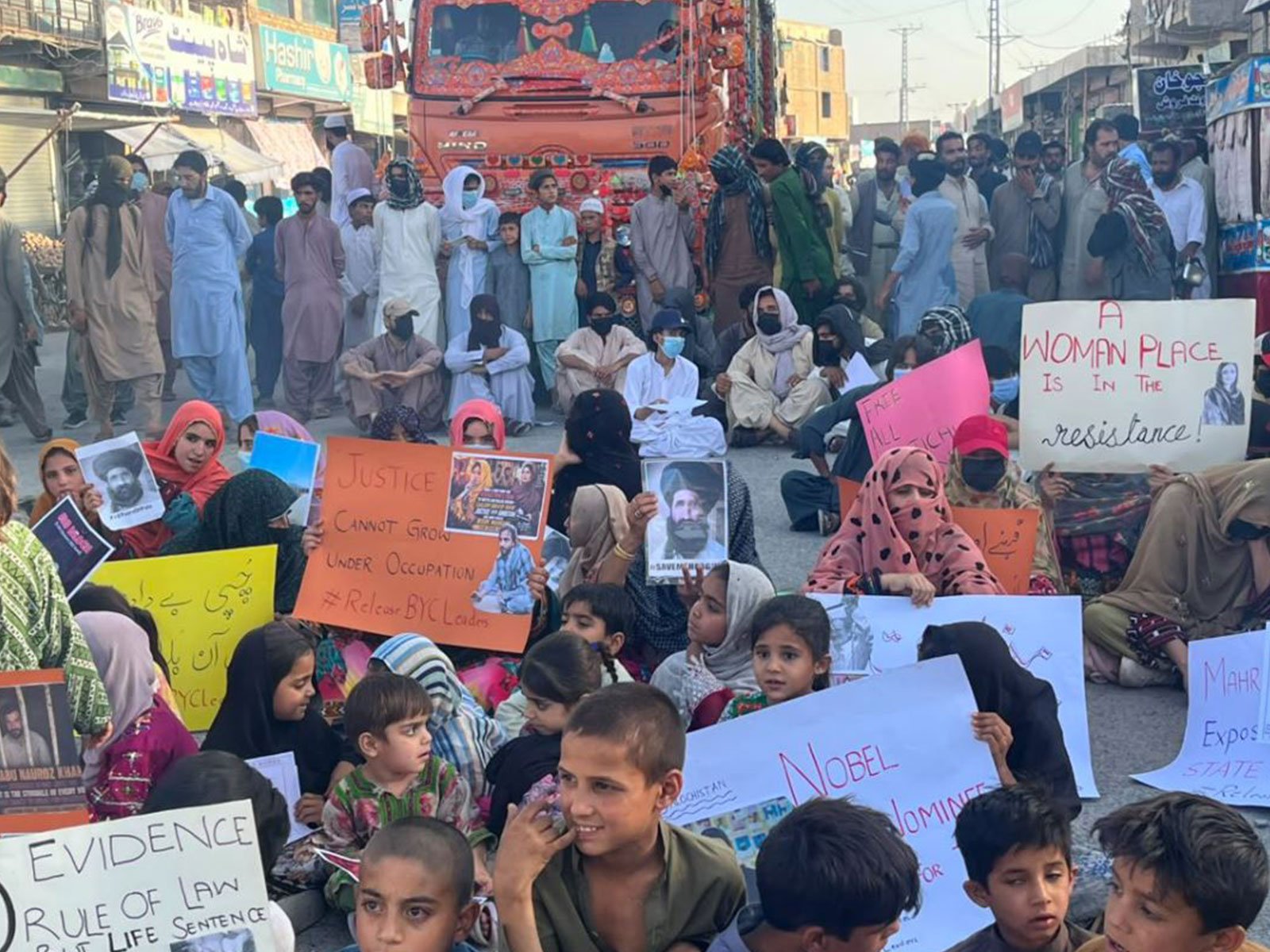
Introduction
The Gwadar Shopkeeper Killing has sparked fresh concerns over alleged human rights violations in Pakistan’s Balochistan province. The Baloch Yakjehti Committee (BYC) has accused Pakistani security forces of killing a young shopkeeper from Gwadar after what it claims was a 14-month period of enforced disappearance.
According to the BYC, the victim, identified as Chakar, son of Hassa Bakhsh, was detained during an early-morning raid and subsequently disappeared. The organization alleges that his body was later recovered bearing signs of severe torture, prompting renewed debate about enforced disappearances and accountability in Balochistan.
BYC Raises Allegations Over Gwadar Shopkeeper Killing
The Gwadar Shopkeeper Killing came to public attention after the Baloch Yakjehti Committee shared details of the incident on social media. The organization stated that Chakar, a 25-year-old resident of Baloch Ward in Gwadar, was taken into custody during a security operation conducted on May 12, 2025.
According to the group’s claims, Chakar’s whereabouts remained unknown after the operation. Family members reportedly spent more than a year attempting to locate him and seeking information regarding his condition and location.
The BYC alleges that despite repeated efforts by relatives and local residents, no official information was provided about his status during the period of disappearance.
Family’s Search for Answers
One of the most tragic aspects of the Gwadar Shopkeeper Killing is the prolonged uncertainty experienced by the victim’s family. The BYC stated that relatives spent over 14 months hoping for Chakar’s safe return.
The organization claimed that the family approached relevant authorities and continued searching for information throughout the period of disappearance. Such cases often place significant emotional and psychological burdens on families who remain uncertain about the fate of their loved ones.
According to the allegations, hopes for Chakar’s return ended when his body was eventually recovered.
Claims of Torture and Inhumane Treatment
The BYC has alleged that the Gwadar Shopkeeper Killing involved severe mistreatment while Chakar was in custody. The organization claimed that visible injuries on the body suggested prolonged torture and inhumane treatment.
According to the committee, the victim’s face reportedly showed extensive trauma and injuries. These allegations have not been independently verified, but the claims have contributed to growing concerns among rights activists regarding treatment of detainees in conflict-affected areas.
The organization further alleged that Chakar was returned to his family not alive, but as what it described as “another tortured body,” highlighting what it views as a recurring pattern in the province.
Broader Concerns in Balochistan
The Gwadar Shopkeeper Killing has once again drawn attention to broader allegations of enforced disappearances in Balochistan. Rights groups have frequently raised concerns regarding missing persons cases in the province.
The BYC claims that numerous civilians, including fishermen, laborers, students, teachers, and shopkeepers, have allegedly been subjected to enforced disappearances over the years.
According to the organization, families often spend months or even years searching for missing relatives. In some reported instances, families later recover bodies allegedly bearing signs of torture.
These allegations have become a central issue in discussions about human rights and governance in the region.
Gwadar’s Strategic Importance
The Gwadar Shopkeeper Killing has occurred in a region of significant strategic and economic importance. Gwadar serves as a major port city and plays a key role in infrastructure and development projects.
Due to its strategic location, Gwadar has often been at the center of political and security-related developments. The region has witnessed tensions involving security operations, local grievances, and demands for greater rights and representation.
Human rights organizations argue that civilians should be protected regardless of ongoing security concerns and that allegations of unlawful detentions require transparent investigations.
Human Rights Organizations Call for Accountability
The Gwadar Shopkeeper Killing has led to renewed calls for accountability from rights groups and activists. Organizations working on missing persons issues have repeatedly emphasized the importance of independent investigations into allegations of enforced disappearances.
Human rights advocates argue that transparency is necessary to build public trust and ensure justice for affected families. They also stress the need for legal safeguards to prevent arbitrary detentions and ensure due process.
The BYC has urged the international community to closely monitor developments in Balochistan and take note of cases involving alleged human rights violations.
Impact on Local Communities
The Gwadar Shopkeeper Killing has reportedly caused concern among residents of Gwadar and other areas of Balochistan. Community members often describe a climate of uncertainty when individuals disappear without information regarding their whereabouts.
Families affected by such incidents may face emotional distress, financial difficulties, and long-term psychological challenges. Local activists argue that unresolved cases can deepen mistrust and create lasting social impacts.
The issue remains a sensitive topic across the province, where demands for information about missing persons continue to be raised by civil society groups.
International Attention on Balochistan
The Gwadar Shopkeeper Killing has once again brought international attention to Balochistan’s human rights situation. Several advocacy groups have previously called for greater scrutiny of allegations involving enforced disappearances and custodial abuses.
Observers note that transparent investigations and accountability mechanisms are essential for addressing concerns and ensuring adherence to international human rights standards.
While allegations continue to emerge from different parts of the province, rights organizations maintain that independent verification and impartial investigations remain crucial.
The alleged Gwadar Shopkeeper Killing has become another focal point in ongoing discussions about enforced disappearances and human rights concerns in Balochistan. According to the Baloch Yakjehti Committee, Chakar, a young shopkeeper from Gwadar, disappeared after being detained and was later found dead with signs of alleged torture.
As calls for accountability grow, human rights groups continue to demand transparency, independent investigations, and justice for affected families. The case has highlighted the broader concerns surrounding missing persons in Balochistan and the lasting impact such incidents have on local communities.
Whether through domestic inquiries or international attention, the Gwadar Shopkeeper Killing is likely to remain a significant issue in discussions about human rights and governance in the region.
About The Author