
 admin
admin 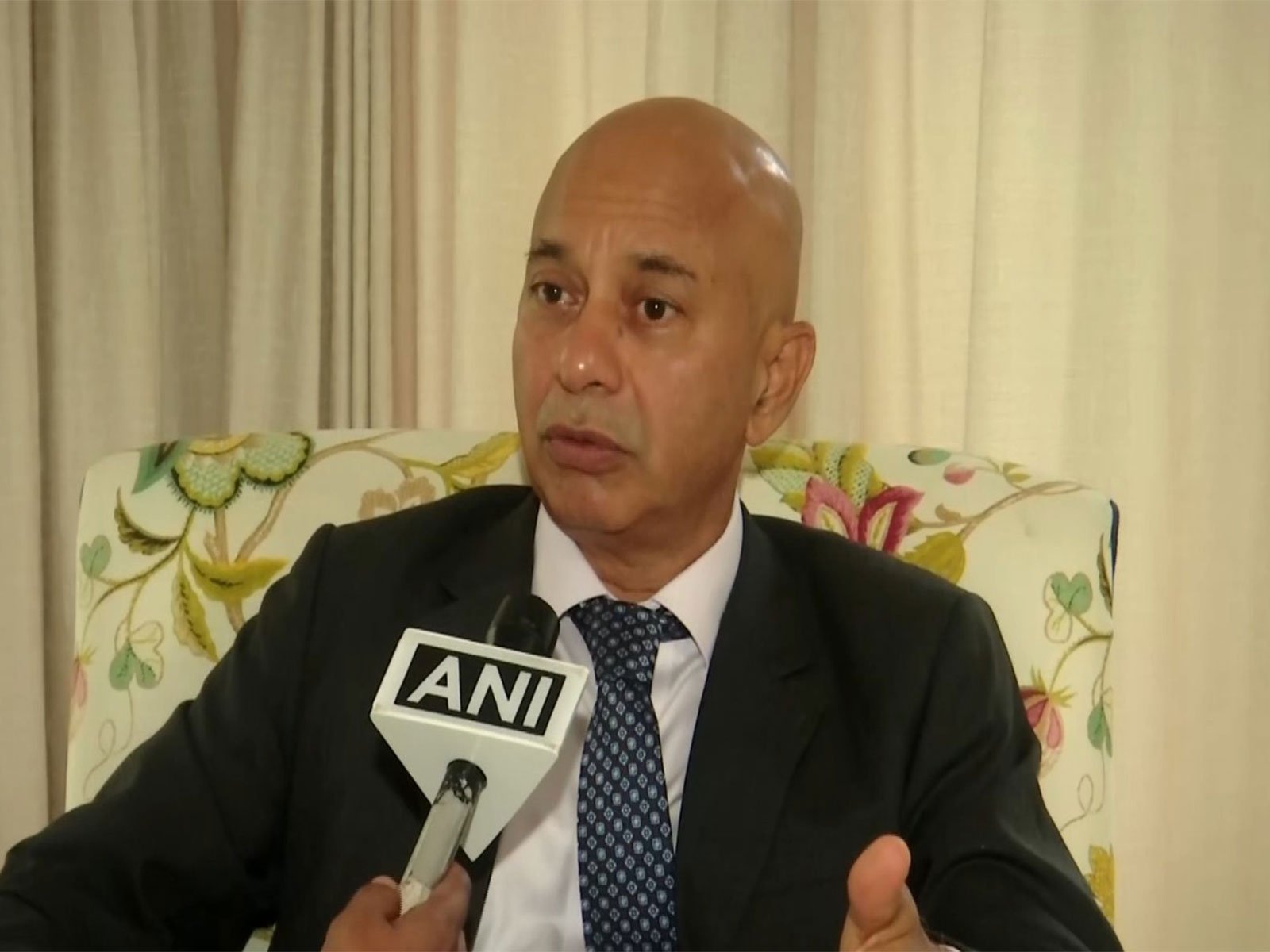
India’s Diversified Energy Strategy Proves Effective
India crude sourcing from 41 countries has emerged as a major strength in protecting the nation’s energy security during the recent Hormuz crisis. According to former Director (HR) of Bharat Petroleum Corporation Limited (BPCL), Raj Kumar Dubey, India’s long-term planning, strategic petroleum reserves, and diplomatic outreach played a crucial role in preventing fuel shortages and controlling inflation.
The Strait of Hormuz remains one of the world’s most important oil transit routes. Any disruption in this region can significantly impact global energy markets. However, India crude sourcing from 41 countries allowed the nation to quickly adapt and secure alternative supplies when concerns over the Hormuz crisis intensified.
Speaking about the country’s preparedness, Dubey emphasized that India’s energy diversification strategy has expanded considerably over the past several years. Earlier, India imported crude oil from around 20 countries. Today, India crude sourcing from 41 countries provides greater flexibility and resilience against geopolitical disruptions.
How India Expanded Its Crude Import Network
Dubey explained that India’s energy planners have worked consistently to broaden the country’s supplier base. This approach ensured that when uncertainty arose in the Strait of Hormuz, Indian authorities could immediately engage with alternative suppliers.
India crude sourcing from 41 countries includes imports from regions such as Russia, Western Africa, and the Atlantic basin. These established relationships enabled quick negotiations and uninterrupted crude procurement despite concerns regarding shipping routes through the Gulf region.
The diversified sourcing model reduced dependence on any single region and ensured that refineries continued operating efficiently. According to Dubey, this strategy was instrumental in maintaining fuel availability across the country.
Strategic Petroleum Reserves Played a Key Role
Another major factor supporting India crude sourcing from 41 countries was the availability of strategic petroleum reserves. These reserves serve as emergency stockpiles that can be utilized during supply disruptions.
When concerns over crude availability emerged, India supplemented imported supplies with oil from strategic reserves. This helped maintain refinery operations at full capacity and ensured that consumers did not face shortages at fuel stations.
The combination of strategic reserves and India crude sourcing from 41 countries created a strong buffer against external shocks. As a result, fuel distribution networks continued functioning normally throughout the crisis period.
Government Intervention Helped Control Fuel Prices
Dubey highlighted the government’s proactive role in limiting the impact of global oil price fluctuations on Indian consumers. Given that India imports more than 85 percent of its crude oil requirements, any major disruption can potentially trigger inflation.
However, India crude sourcing from 41 countries provided supply stability, while government measures helped contain retail fuel prices. Oil marketing companies initially absorbed part of the financial burden created by rising global crude costs.
Subsequently, the government stepped in by reducing revenue collections from excise duties. Dubey estimated that the government absorbed more than Rs 1.7 lakh crore in revenue losses to prevent a significant increase in fuel prices.
This coordinated approach ensured that inflationary pressures remained relatively moderate compared to many other countries affected by energy market disruptions.
Comparing India’s Performance with Global Markets
Dubey noted that several countries experienced substantial fuel price increases during periods of global energy uncertainty. Even major oil-producing nations witnessed significant rises in diesel prices.
According to his observations, some oil-importing countries experienced fuel price increases exceeding 60 percent. In contrast, India managed to keep increases relatively limited.
The success of India crude sourcing from 41 countries was evident in the country’s ability to maintain stable fuel supplies while avoiding severe price shocks. This balanced approach protected consumers, businesses, and industries from major economic disruptions.
The strategy also helped maintain confidence in India’s energy infrastructure during a period of heightened global uncertainty.
Diplomacy Strengthened Energy Security
Diplomatic engagement played a significant role in supporting India crude sourcing from 41 countries. Dubey stressed that energy security is closely linked with international relations and strategic partnerships.
India’s strong relationships with multiple energy-producing nations enabled officials to secure alternative crude supplies when needed. Diplomatic channels facilitated negotiations and ensured smooth coordination between governments and oil suppliers.
The success of India crude sourcing from 41 countries demonstrates how foreign policy and energy policy can work together to enhance national security. Strong international partnerships continue to be a critical component of India’s long-term energy strategy.
Focus on Renewable Energy and Gas Expansion
While discussing future preparedness, Dubey emphasized the importance of reducing dependence on imported fossil fuels. Although India crude sourcing from 41 countries has improved resilience, the country must continue investing in alternative energy sources.
He highlighted the government’s efforts to increase the share of natural gas in India’s energy basket from the current level of around 7 percent to 15 percent. Expanding natural gas usage can help diversify the country’s energy mix and reduce reliance on crude oil imports.
Additionally, the government is promoting Compressed Biogas (CBG) production. Large-scale CBG development can support farmers, create rural employment opportunities, and lower import dependence.
Building a More Secure Energy Future
The success of India crude sourcing from 41 countries during the Hormuz crisis underscores the value of long-term planning and strategic diversification. By expanding its supplier network, maintaining strategic reserves, and strengthening diplomatic relationships, India successfully managed a potentially challenging energy situation.
Experts believe that continued diversification, investment in renewable energy, increased gas utilization, and domestic biofuel production will further strengthen India’s energy security in the coming years.
As global energy markets remain vulnerable to geopolitical tensions, the model of India crude sourcing from 41 countries offers an important example of how proactive planning can protect national interests and ensure economic stability.
India crude sourcing from 41 countries has proven to be a vital pillar of the nation’s energy security strategy. During the Hormuz crisis, diversified imports, strategic petroleum reserves, government intervention, and diplomatic cooperation helped maintain uninterrupted fuel supplies and control inflation.
Moving forward, India’s commitment to expanding energy sources, promoting cleaner fuels, and strengthening global partnerships is expected to further enhance resilience against future disruptions. The experience demonstrates that strategic planning and coordinated policymaking remain essential for ensuring long-term energy stability and economic growth.
About The Author