Pakistan education emergency exposes deep governance failures as millions of children remain without access to classrooms
 admin
admin 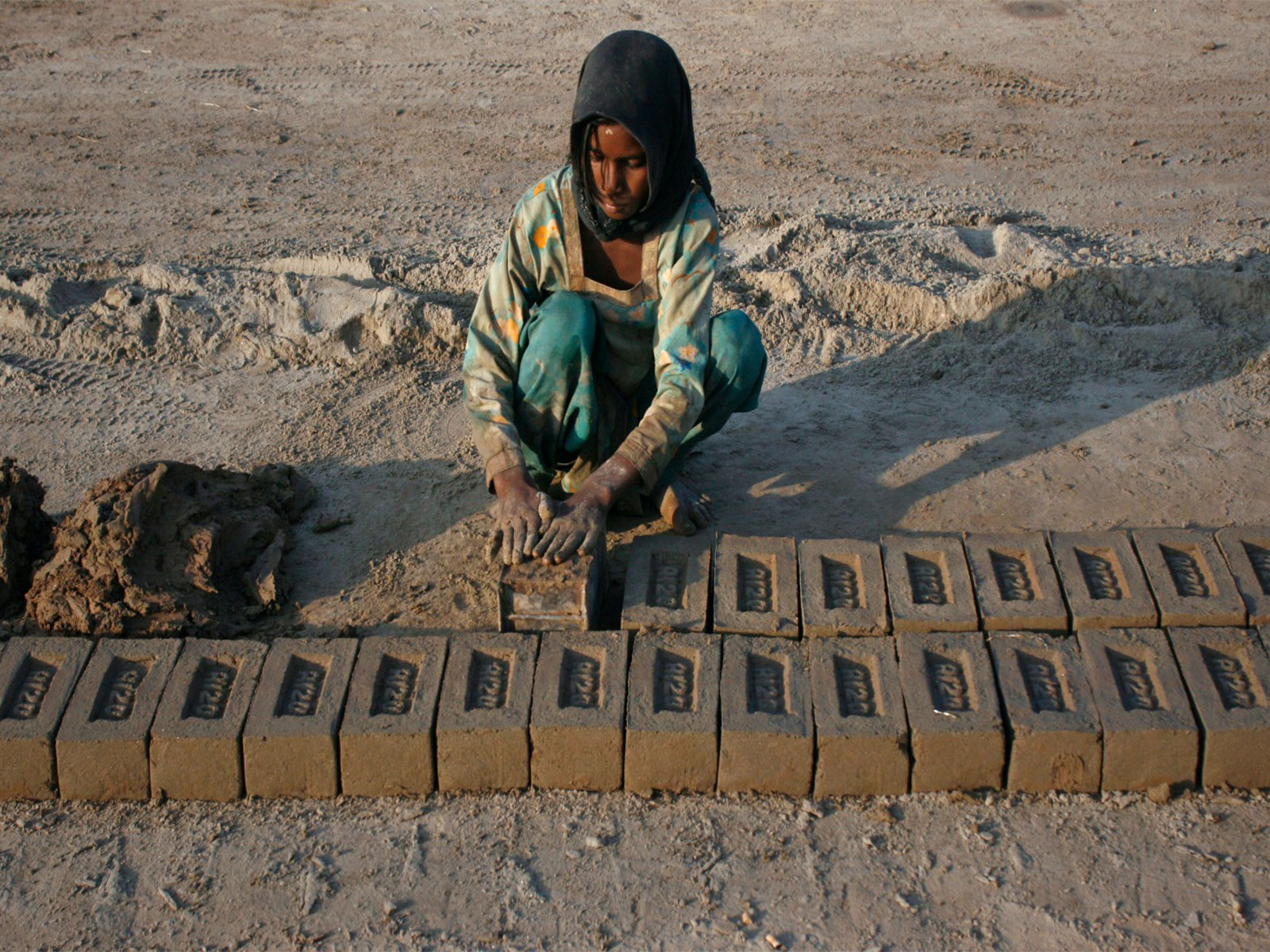
The Pakistan education emergency continues to raise serious concerns as more than 25 million school-age children remain out of school, despite the government’s declaration of a National Education Emergency over two years ago. The alarming figures reveal that policy announcements alone have not been enough to solve one of the country’s biggest social and economic challenges.
According to a policy review prepared by Pakistan’s Civil Services Academy (CSA) and reported by Geo News, the country’s education crisis is now less about the absence of planning and more about poor implementation, weak governance, limited financial investment, fragmented administration, and ineffective coordination between federal and provincial governments.
The findings highlight that the Pakistan education emergency has become one of the largest education challenges in the world, with millions of children deprived of their fundamental right to quality education.
More than 25 million children remain outside Pakistan’s education system
The CSA report estimates that between 25.1 million and 26 million children are currently not attending school. This makes Pakistan home to the world’s second-largest population of out-of-school children, placing enormous pressure on policymakers and education authorities.
Although the government introduced the National Education Action Plan 2026 and several provincial education roadmaps, implementation has remained weak. Officials have struggled to convert policy commitments into measurable outcomes due to administrative inefficiencies and governance issues.
Experts believe that the Pakistan education emergency requires immediate structural reforms instead of repeated policy announcements without practical execution.
Provincial disparities continue to widen
The report reveals significant differences across Pakistan’s provinces, with each region facing unique education challenges.
Punjab has the largest number of out-of-school children, with more than nine million children missing formal education. Despite having relatively better educational infrastructure than other provinces, rapid population growth and unequal access continue to create major obstacles.
Sindh continues to experience severe dropout rates because of insufficient middle and secondary schools. Many students complete primary education but fail to continue due to the lack of nearby educational institutions.
Khyber Pakhtunkhwa faces additional barriers including security concerns, difficult geographical terrain, and a shortage of female teachers, particularly in remote districts. These factors discourage school attendance, especially among girls.
Balochistan remains the most severely affected province. Thousands of schools remain non-functional, while many lack electricity, sanitation facilities, clean drinking water, boundary walls, and adequate teaching staff. These infrastructure deficiencies continue to discourage enrollment and regular attendance.
The provincial disparities further illustrate the scale of the Pakistan education emergency and demonstrate why localized solutions are necessary.
Weak governance remains the biggest obstacle
The CSA review argues that Pakistan’s education crisis is no longer caused primarily by policy gaps. Instead, weak governance has become the most significant barrier to progress.
Several issues continue to affect implementation, including:
- Poor coordination between federal and provincial governments.
- Delays in policy execution.
- Weak monitoring mechanisms.
- Inefficient use of education budgets.
- Lack of accountability within administrative systems.
- Fragmented education management.
These governance failures have prevented education reforms from reaching the communities that need them most.
Experts say that unless institutional capacity improves, the Pakistan education emergency will continue to affect future generations.
Poverty and child labour continue to fuel the crisis
The Pakistan education emergency report identifies poverty as one of the leading reasons millions of children remain out of school.
Many low-income families depend on children’s earnings to support household expenses. As a result, children often enter the workforce instead of classrooms, particularly in rural and underdeveloped regions.
Rapid population growth has further increased pressure on already limited educational infrastructure. Schools struggle with overcrowded classrooms, teacher shortages, and insufficient learning materials.
Child labour, economic inequality, and rising living costs continue to reinforce the cycle of educational exclusion, making it increasingly difficult to reduce the number of out-of-school children.
These socio-economic challenges remain central to the ongoing Pakistan education emergency.
Lack of reliable education data affects policymaking
Another major concern highlighted in the report is Pakistan’s weak education data system.
The absence of a unified national student database has made it difficult for authorities to accurately monitor school enrollment, attendance, and dropout rates.
Without reliable data, governments cannot effectively allocate resources or identify regions where intervention is most urgently required.
Education experts argue that better digital record-keeping would significantly improve policy implementation and accountability.
The Pakistan education emergency report recommends creating a nationwide student registry linked with Pakistan’s National Database and Registration Authority (NADRA) records to ensure accurate tracking of students throughout their education.
Such reforms could play a significant role in addressing the Pakistan education emergency.
Recommendations to improve Pakistan’s education system
The CSA review outlines several recommendations aimed at improving educational access and reducing the number of out-of-school children.
These include:
- Establishing a nationwide digital student registry linked with NADRA.
- Expanding double-shift schools to increase classroom capacity.
- Strengthening non-formal education programs for children who have already left school.
- Providing greater incentives for female teachers to work in underserved rural areas.
- Introducing performance-based funding for education institutions.
- Improving coordination between federal and provincial education departments.
- Investing in school infrastructure, particularly in remote regions.
- Increasing education budgets to meet growing demand.
Experts believe these reforms could significantly strengthen Pakistan’s education system if implemented effectively.
Experts call for action instead of repeated announcements
Education specialists cited in the report criticized successive governments for repeatedly declaring education emergencies without providing sufficient financial resources or administrative support.
According to experts, policy declarations must be accompanied by measurable implementation plans, transparent funding mechanisms, and continuous monitoring.
Without meaningful reforms, millions of children risk remaining outside the education system for years to come.
They argue that education should be treated as a national development priority rather than a political slogan.
The continued Pakistan education emergency threatens long-term economic growth, workforce development, gender equality, and poverty reduction across the country.
The latest findings paint a concerning picture of Pakistan’s education sector. Despite announcing ambitious reforms and declaring a National Education Emergency, the country still has more than 25 million children out of school, highlighting deep-rooted governance, funding, and administrative failures.
Provincial inequalities, poverty, child labour, infrastructure shortages, and weak institutional coordination continue to prevent millions of children from accessing quality education. Unless the recommended reforms are implemented with urgency and accountability, Pakistan’s education crisis could worsen further.
Addressing the Pakistan education emergency will require sustained political commitment, increased investment, stronger governance, and coordinated action across all levels of government. Only through effective implementation can Pakistan hope to ensure that every child receives the education necessary for a better future.
About The Author