
Telegram Restriction Ahead of NEET-UG 2026 Re-Examination: Students Welcome Temporary Move to Ensure Fairness
 admin
admin 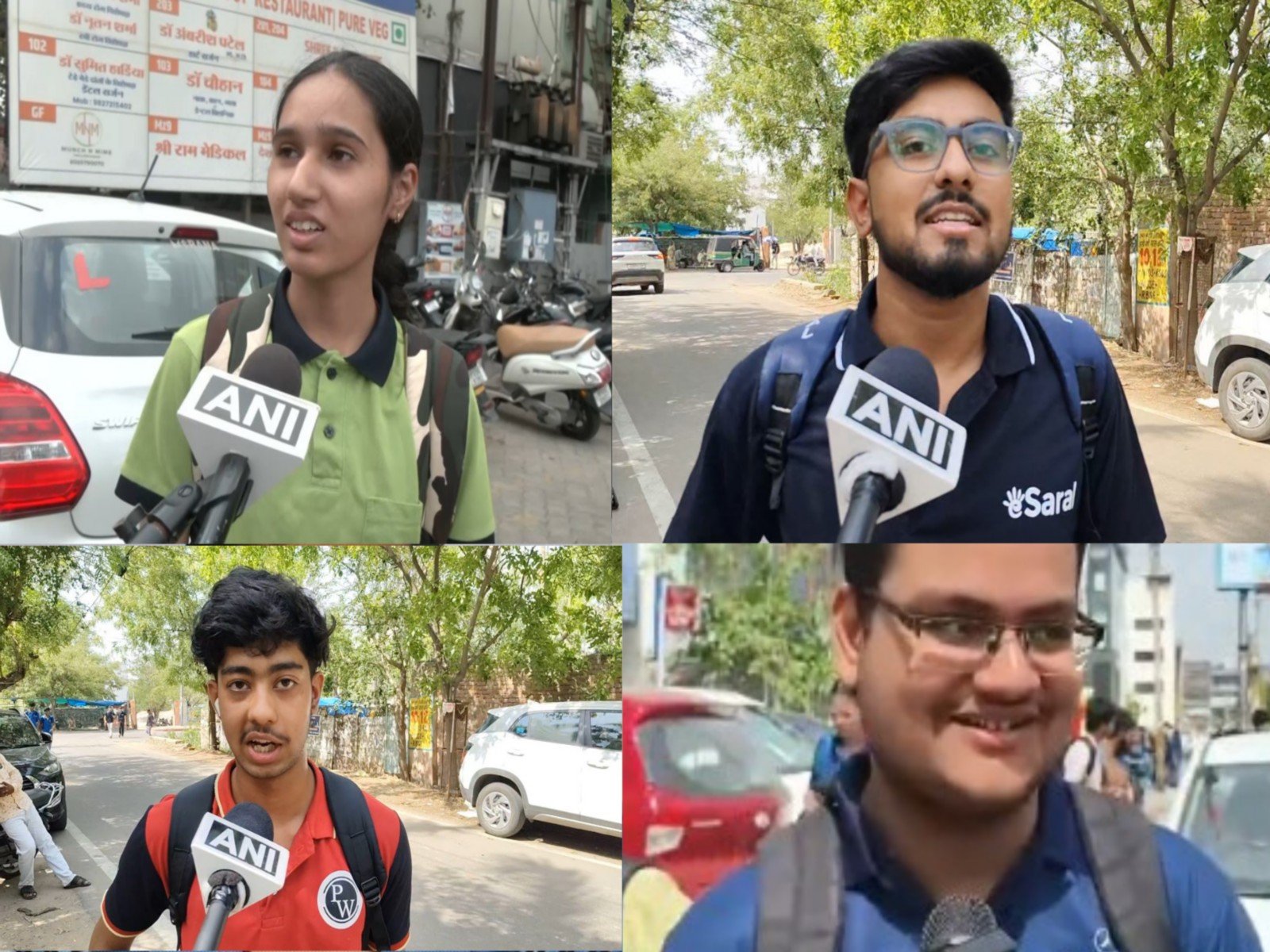
New Delhi, June 17: The temporary Telegram Restriction imposed ahead of the NEET-UG 2026 re-examination has received positive responses from many students across India. Candidates believe the Telegram Restriction is an important step to prevent the circulation of leaked question papers, fake answer keys, and misleading information that could compromise the fairness of one of the country’s most competitive entrance examinations. The decision to introduce a temporary comes after several allegations of paper leaks and irregularities surrounding the original NEET-UG 2026 examination. Education authorities hope the measure will help ensure a transparent and secure examination process.
Telegram Restriction Introduced Before NEET-UG Re-Exam
The Telegram Restriction was implemented as a precautionary measure before the re-examination to curb the spread of confidential examination material. Officials believe messaging platforms have increasingly been used to circulate fake papers, answer keys, and rumours during competitive examinations.
Many students preparing for the re-examination said the Telegram Restriction could reduce confusion and improve confidence in the examination process.
Several coaching institutes also welcomed the move, stating that temporary restrictions during the examination period can discourage malpractice.
Students Support Telegram Restriction
Students from different parts of the country expressed support for the Telegram Restriction, saying honest candidates often suffer because of exam-related misinformation shared online.
Many aspirants noted that rumours spread rapidly through messaging apps, causing unnecessary anxiety before important examinations.
According to students, the Telegram Restriction will help maintain equal opportunities for everyone appearing in the NEET-UG 2026 re-examination.
Candidates also urged authorities to continue strengthening digital monitoring to prevent future examination fraud.
Paper Leak Concerns Prompt Action
The decision regarding the Telegram Restriction follows nationwide concerns over alleged paper leaks that affected the credibility of NEET-UG 2026.
The controversy led to widespread protests by students and parents demanding accountability and stronger examination security.
Education experts believe the Telegram Restriction represents one part of a broader strategy to eliminate unfair practices during national-level examinations.
Authorities have also increased surveillance at examination centres and strengthened cybersecurity measures.
Importance of Fair Examinations
Students emphasized that competitive examinations should reward merit and hard work rather than unfair advantages obtained through leaked papers.
The Telegram Restriction is viewed by many candidates as a temporary inconvenience that serves a larger public interest.
Medical aspirants spend months or even years preparing for NEET-UG, making examination transparency extremely important for their future careers.
Many students said they would gladly accept temporary digital restrictions if they contribute to a fair examination environment.
Experts Support Telegram Restriction
Education specialists have also expressed support for the Telegram Restriction, stating that digital platforms have increasingly become channels for spreading fake examination content.
Experts believe temporary preventive measures, combined with improved cybersecurity and stricter enforcement of anti-cheating laws, can significantly reduce examination-related fraud.
The Telegram Restriction is expected to complement other security arrangements introduced by examination authorities.
Enhanced Security Measures
Apart from the Telegram Restriction, authorities have reportedly implemented several additional security measures for the NEET-UG re-examination.
These include:
- Increased monitoring at examination centres.
- Enhanced digital surveillance.
- Strict verification of examination materials.
- Improved coordination with law enforcement agencies.
- Faster response mechanisms for suspicious online activity.
Together with the Telegram Restriction, these initiatives are intended to restore confidence in the examination system.
Students Call for Permanent Reforms
While supporting the temporary Telegram Restriction, many students stressed that long-term reforms remain necessary.
They urged authorities to strengthen question paper security, improve digital infrastructure, and introduce advanced encryption technologies.
Several students also suggested stronger penalties for individuals involved in paper leak cases to discourage future misconduct.
According to aspirants, the Telegram Restriction should be accompanied by systemic reforms that permanently improve examination security.
Social Media’s Role During Examinations
The growing influence of social media and messaging platforms has significantly changed the examination landscape.
Although these platforms are useful for study groups and educational discussions, they have also been misused for spreading rumours and unauthorized examination material.
The temporary Telegram Restriction highlights the challenge of balancing digital communication with examination integrity.
Experts believe technology companies and educational authorities must continue working together to prevent misuse.
Restoring Student Confidence
The NEET-UG 2026 controversy has affected the confidence of millions of students across India.
Many candidates believe the Telegram Restriction demonstrates that authorities are taking stronger action to protect the integrity of the examination process.
Parents have also welcomed additional safeguards, saying students deserve an environment where success depends solely on preparation and performance.
The positive response from candidates suggests that the Telegram Restriction has been widely accepted as a temporary but necessary measure.
Conclusion
The temporary Telegram Restriction introduced before the NEET-UG 2026 re-examination has received considerable support from students seeking a fair and transparent examination process. While the restriction may create short-term inconvenience, many candidates believe it is a necessary step to prevent paper leaks, misinformation, and online malpractice.
As education authorities continue strengthening examination security through digital monitoring and administrative reforms, the Telegram Restriction is expected to contribute to restoring trust in one of India’s most important entrance examinations. Students now hope that future reforms will permanently eliminate examination irregularities and ensure that merit remains the only path to success.or many NEET-UG aspirants, the temporary Telegram Restriction represents more than just limiting access to a messaging platform. It symbolizes a stronger commitment by authorities to protect the integrity of one of India’s most competitive entrance examinations. Students argue that while genuine candidates spend months preparing through disciplined study, a small group attempting to misuse online platforms can jeopardize the efforts of millions.
Several students preparing for the re-examination said that fake question papers and answer keys often circulate on Telegram just hours before exams. Even when these materials are false, they create panic among candidates and distract them from their final preparation. A temporary Telegram Restriction helps reduce such confusion and allows students to focus on revision instead of worrying about unverified information.Coaching Institutes Back the Decision
Many coaching institutes have also expressed support for the temporary Telegram Restriction. According to educators, social media rumours can significantly impact students’ confidence before an examination. Teachers believe that reducing the spread of misleading content will create a calmer environment for candidates appearing in the NEET-UG re-examination.
Education experts have pointed out that the Telegram Restriction should not be viewed as a permanent solution but as one component of a broader examination security strategy. Along with stricter surveillance, biometric verification, encrypted question paper distribution, and stronger cyber monitoring, the restriction can contribute to a more secure examination process.
Technology and Examination Security
The increasing use of digital platforms has changed the way students prepare for competitive examinations. While Telegram offers valuable educational channels and discussion groups, it has also been misused by individuals attempting to spread fake papers and examination rumours.
Authorities believe that a temporary Telegram Restriction during the examination period can minimize opportunities for organised cheating networks to operate. Cybersecurity experts also recommend continuous monitoring of online platforms before and after major examinations to detect suspicious activity quickly.
Parents Welcome Additional Safeguards
Parents have largely supported the Telegram Restriction, saying that students already face tremendous academic pressure. Many families invest significant time, money, and emotional support to help their children prepare for medical entrance examinations. Any incident involving paper leaks or misinformation affects not only students but entire families.
Parents believe that temporary preventive measures such as the Telegram Restriction are preferable to cancelling examinations or forcing students to appear for repeated tests. They have urged authorities to continue introducing technologies that improve fairness and transparency.
Looking Ahead
While the Telegram Restriction has received widespread support, students hope it will be accompanied by long-term reforms that permanently strengthen India’s examination system. Improved cybersecurity, faster investigations into paper leak cases, stricter punishment for offenders, and modern digital infrastructure are among the reforms suggested by education experts.
If these measures are implemented effectively, the Telegram Restriction could become part of a broader effort to restore confidence in competitive examinations and ensure that every deserving student succeeds through merit alone.Government Strengthens Digital Monitoring During Examinations
The introduction of the Telegram Restriction is part of a broader effort by authorities to strengthen digital monitoring during high-stakes examinations. Over the past few years, examination bodies have faced increasing challenges in preventing the online circulation of confidential information. The rapid growth of encrypted messaging platforms has made it more difficult to detect and stop the spread of fake question papers, answer keys, and rumours before examinations begin.
Officials believe that the temporary Telegram Restriction will help reduce the chances of organised groups exploiting digital platforms to manipulate examination processes. Along with monitoring social media activity, authorities are also working closely with cybersecurity experts and law enforcement agencies to identify suspicious online behaviour.Government Strengthens Digital Monitoring During Examinations
The introduction of the Telegram Restriction is part of a broader effort by authorities to strengthen digital monitoring during high-stakes examinations. Over the past few years, examination bodies have faced increasing challenges in preventing the online circulation of confidential information. The rapid growth of encrypted messaging platforms has made it more difficult to detect and stop the spread of fake question papers, answer keys, and rumours before examinations begin.
Officials believe that the temporary Telegram Restriction will help reduce the chances of organised groups exploiting digital platforms to manipulate examination processes. Along with monitoring social media activity, authorities are also working closely with cybersecurity experts and law enforcement agencies to identify suspicious online behaviour.
About The Author