
 admin
admin 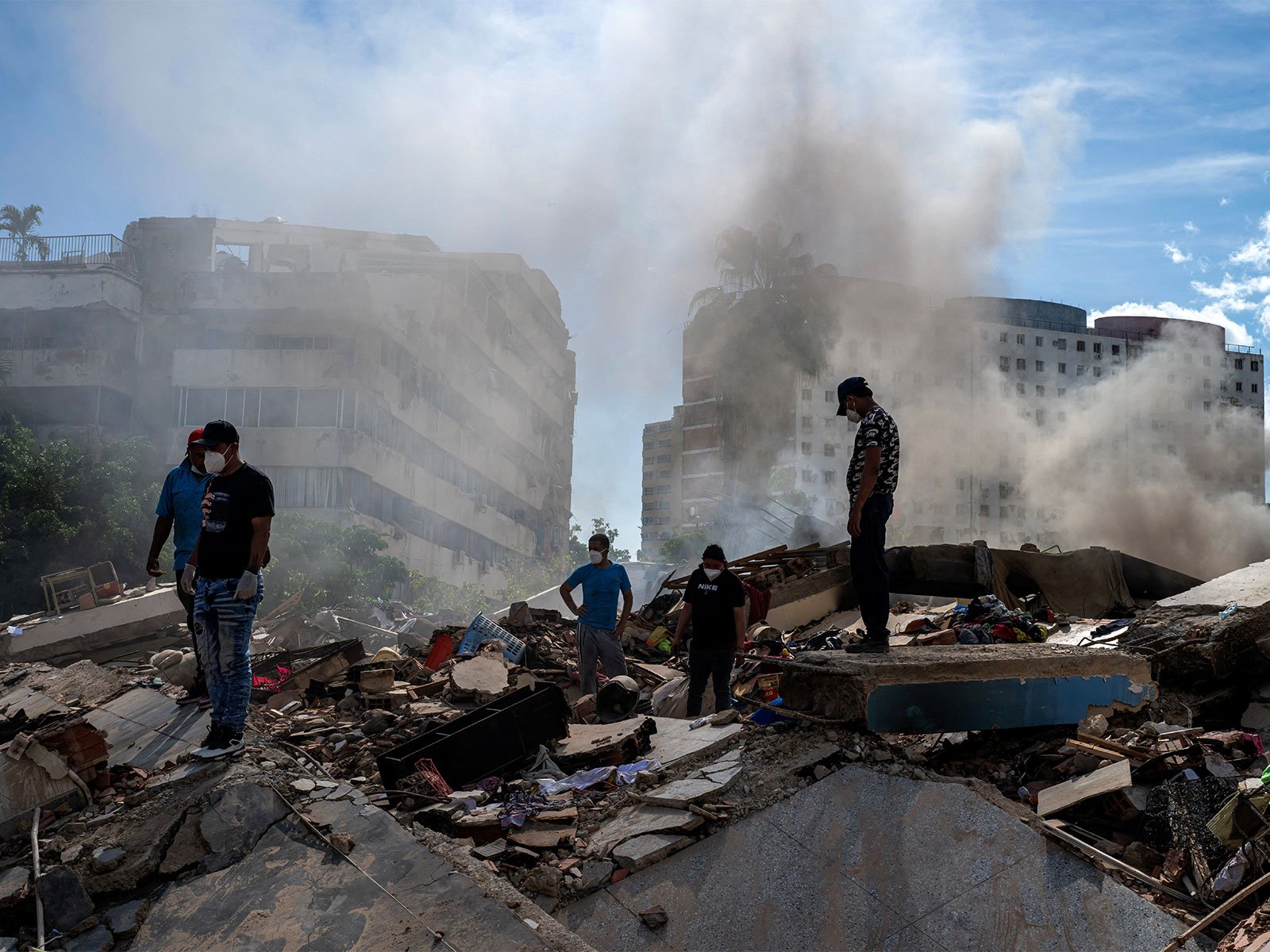
Caracas, Venezuela, June 29: The devastating Venezuela earthquake has claimed the lives of at least 1,450 people, making it one of the deadliest natural disasters to strike the South American nation in recent history. Rescue workers continue to race against time, searching collapsed buildings for survivors while emergency teams work around the clock in the country’s worst-hit regions.
According to senior government officials, thousands of families have been displaced following last week’s powerful Venezuela earthquake, which caused widespread destruction across multiple cities and towns. Authorities fear the death toll could rise further as search and rescue operations continue in areas that remain inaccessible due to damaged roads and collapsed infrastructure.
International Rescue Teams Join Venezuela Earthquake Relief Efforts
The response to the Venezuela earthquake has expanded with international assistance arriving to support local emergency services. The United States Southern Command confirmed that American personnel are assisting humanitarian operations under the direction of the US Department of State.
In a statement shared on social media, the US Southern Command said first responders and a US Marine were working tirelessly to search through earthquake-damaged structures in an effort to locate survivors trapped beneath the rubble.
Officials stated that rescue crews have been operating continuously, both day and night, to maximize the chances of finding people alive in the hardest-hit communities. Heavy machinery, specialized rescue dogs, medical teams, and engineering experts have all been deployed to support the ongoing Venezuela earthquake rescue mission.
Government Launches Commission to Assess Earthquake Damage
Acting President Delcy Rodriguez announced the formation of a presidential commission tasked with evaluating the extensive damage caused by the Venezuela earthquake. The commission will inspect residential buildings, schools, hospitals, bridges, roads, and other critical infrastructure affected by the disaster.
Authorities have also extended school closures for another week to ensure the safety of students and teachers while engineers inspect educational institutions for structural damage.
Government officials emphasized that restoring essential services such as electricity, water supply, healthcare, and transportation remains a top priority following the Venezuela earthquake.
Rescue Teams Save Survivors Amid the Devastation
Despite the enormous loss of life, rescue workers continue to report remarkable survival stories.
Authorities confirmed that an 11-year-old boy was successfully rescued alive from the rubble in Caraballeda after spending several hours trapped beneath collapsed structures. Earlier, emergency responders also rescued another survivor, Belkys Barreto, providing hope to families waiting anxiously for news of missing loved ones.
Acting President Rodriguez praised the dedication of emergency responders, firefighters, civil protection personnel, doctors, and international rescue teams working across affected regions.
She stated that every successful rescue offers renewed hope for Venezuela during one of the nation’s darkest moments.
Communities Face Massive Humanitarian Crisis
The Venezuela earthquake has left thousands homeless as residential neighborhoods suffered catastrophic damage. Emergency shelters have been established to accommodate displaced families, while humanitarian organizations distribute food, drinking water, medical supplies, blankets, and temporary shelter materials.
Hospitals in several regions are operating under emergency conditions, treating hundreds of injured victims while managing shortages of medical equipment and essential medicines.
Emergency officials continue urging residents to remain cautious due to ongoing aftershocks that pose additional risks to weakened buildings and rescue personnel.
Economic Challenges Complicate Recovery
The impact of the Venezuela earthquake comes at an especially difficult time for the country’s economy.
For years, Venezuela has struggled with economic instability driven by international sanctions, prolonged hyperinflation, declining oil production, political uncertainty, and financial challenges. Although recent economic reforms and easing of certain sanctions have helped improve oil production, many Venezuelans continue to face rising living costs and limited employment opportunities.
Experts warn that rebuilding infrastructure destroyed by the Venezuela earthquake could require billions of dollars and several years of sustained investment.
The government now faces the difficult challenge of balancing emergency humanitarian relief with long-term reconstruction efforts while maintaining economic stability.
Search Operations Continue Around the Clock
Emergency responders remain focused on locating survivors beneath collapsed buildings as the critical rescue window gradually narrows.
Advanced search equipment, thermal imaging technology, rescue dogs, and specialized engineering teams continue examining unstable structures throughout affected communities.
Authorities have appealed for international cooperation, humanitarian assistance, and financial support to strengthen ongoing rescue operations and accelerate recovery efforts after the devastating Venezuela earthquake.
Global Community Expresses Support
Several countries and international humanitarian organizations have expressed solidarity with Venezuela following the disaster. Relief agencies are coordinating with local authorities to deliver emergency supplies, medical assistance, and technical expertise to affected communities.
Disaster response specialists stress that immediate humanitarian support remains essential as thousands of survivors require shelter, healthcare, food, clean drinking water, and psychological assistance.
The Venezuela earthquake has become one of the country’s deadliest natural disasters, with at least 1,450 confirmed deaths and thousands more affected. Rescue workers continue risking their lives in an urgent effort to find survivors trapped beneath collapsed buildings while authorities coordinate one of the largest disaster response operations in the nation’s history.
As recovery efforts continue, Venezuela faces the enormous challenge of rebuilding devastated communities, restoring damaged infrastructure, and providing long-term support to families whose lives have been forever changed by the catastrophic Venezuela earthquake.
About The Author